Photography Fundamentals: Your First Camera
Camera Basics
Your Camera's Anatomy
Think of the camera body as the command center. It’s a light-proof box that holds all the essential electronics and mechanical parts. Inside, you'll find the image sensor, which is like the camera's film or retina, and the processor, which is its brain. The body is the foundation to which everything else, like the lens and flash, attaches.
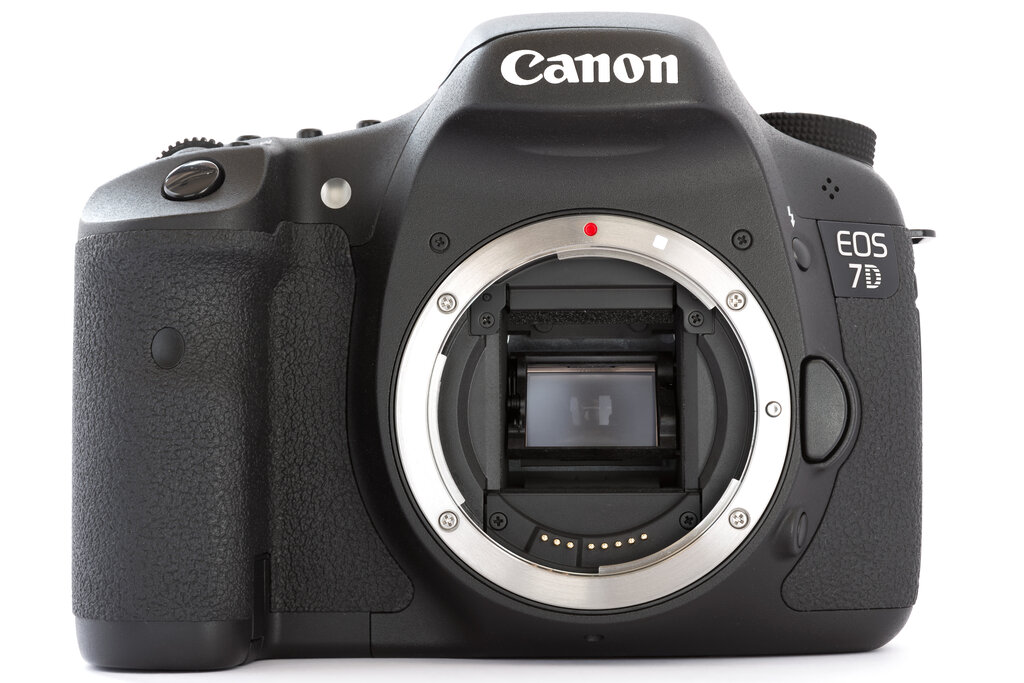
It also provides the grip for you to hold the camera steady and houses most of the controls you'll use to take a picture. It's the core of your photographic tool.
Framing Your Shot
To take a picture, you first need to see what the camera sees. You do this through the viewfinder. It’s the small window you look through to compose your shot. Looking through the viewfinder helps you focus on your subject without the distraction of your surroundings. It's also easier to see in bright sunlight compared to a screen.
Most modern digital cameras have two ways to see your scene: the viewfinder and a larger LCD screen on the back. Many photographers prefer the viewfinder for a more stable and traditional shooting experience.
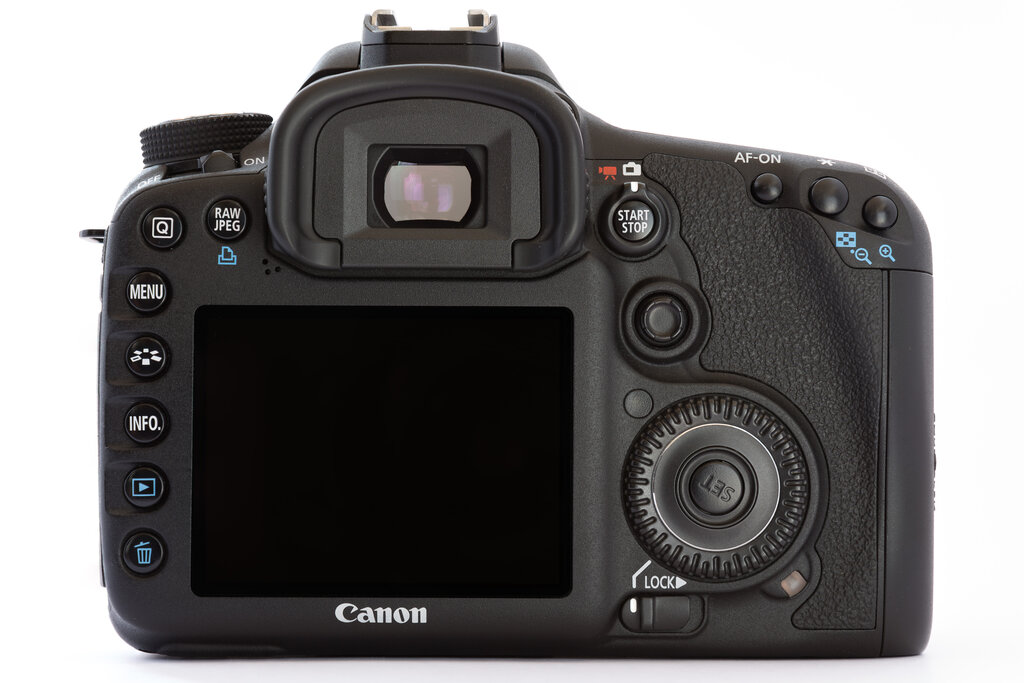
There are two main types. Optical viewfinders (found on DSLRs) use a system of mirrors and a prism to show you exactly what the lens sees. Electronic viewfinders (common in mirrorless cameras) are tiny screens that display a digital feed from the sensor.
The Control Deck
The buttons and dials on your camera are how you communicate with it. While they can look intimidating at first, you only need to know a few to get started. The most important is the shutter button, which you press to take the picture.
Next, look for the mode dial. This dial lets you choose how you want the camera to operate. You can set it to fully automatic modes, where the camera makes all the decisions, or to more manual modes where you take control.
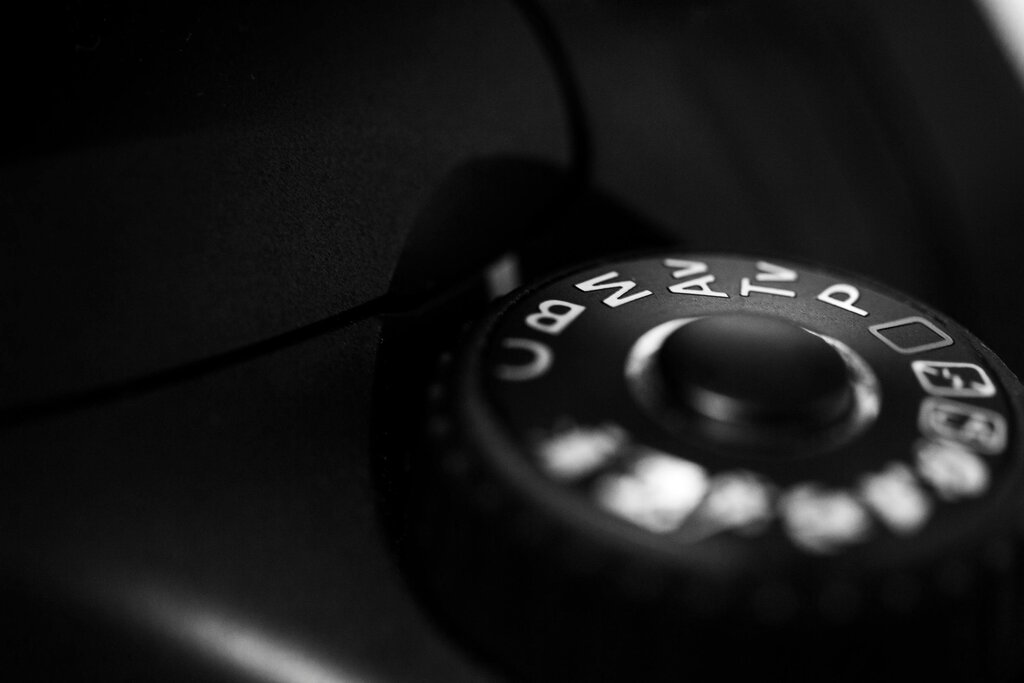
You’ll also find other controls like a power switch, buttons to navigate menus on the LCD screen, and one or two command dials. These command dials are often near the shutter button and are used to quickly adjust key settings without taking your eye from the viewfinder.
Now let's check your understanding of these core parts.
What is the primary function of the camera body?
The small window you look through to compose a shot, which helps you focus on your subject without distraction, is called the __________.
Getting familiar with your camera's body, viewfinder, and basic controls is the first step toward taking pictures with confidence. Everything else builds on this foundation.