Photography Fundamentals
Introduction to Photography
Capturing Light
Before the first photograph, there was the camera obscura, which is Latin for “dark room.” For centuries, artists and scientists knew that if you let light into a dark box through a tiny hole, an upside-down image of the outside world would appear on the opposite wall. The problem was making that image permanent.
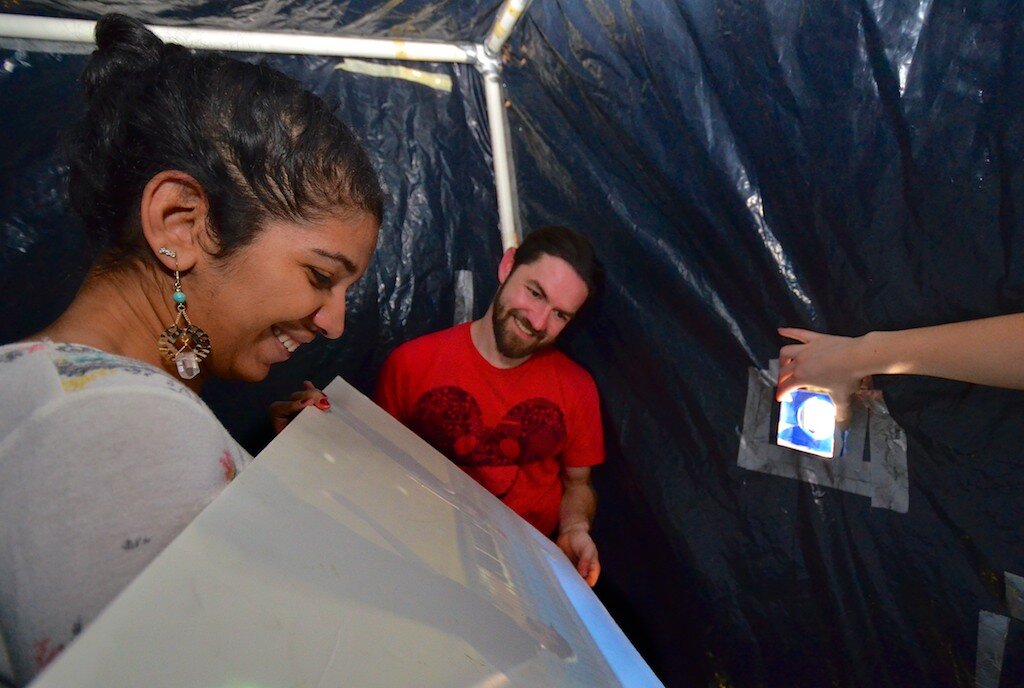
In the 1820s, a French inventor named Joseph Nicéphore Niépce finally solved it. He coated a pewter plate with a light-sensitive asphalt and exposed it for several days. The result was the world's first photograph, a blurry view from his window. This breakthrough led to processes like the daguerreotype, which made photography more practical and accessible, sparking a revolution in how we see and document the world. From metal plates to film rolls and now to digital sensors, the core idea remains the same: capturing a moment by controlling light.
Choosing Your Tool
Cameras today come in many shapes and sizes, but they generally fall into three categories. Your choice depends on how much control you want over the final image.
| Camera Type | How It Works | Best For |
|---|---|---|
| DSLR | Uses a mirror to reflect light into the viewfinder. The mirror flips up when you take a picture. | Photographers who want full manual control and a wide selection of lenses. |
| Mirrorless | Light goes directly to the sensor, which displays a digital preview on the screen or in an electronic viewfinder. | Travelers and enthusiasts who want high quality in a smaller, lighter body. |
| Point-and-Shoot | A compact, all-in-one camera with a fixed lens and mostly automatic settings. | Casual snapshots and situations where convenience is key. |
While smartphones have made photography more accessible than ever, dedicated cameras offer superior image quality and creative flexibility, especially in challenging lighting conditions.
Inside the Camera
Regardless of the type, every digital camera shares a few essential parts that work together to create an image. Understanding them is the first step to taking control of your photography.
The lens is the eye of the camera. It's a series of glass elements that focus light from a scene onto the sensor.
The sensor is the digital equivalent of film. It's a grid of millions of light-sensitive pixels that record the information an image is made of.
The viewfinder is what you look through to compose your shot. On a DSLR, it's an optical preview using mirrors. On a mirrorless camera, it's a tiny electronic screen showing you what the sensor sees.
The Language of Light
A photograph is simply a record of light. The brightness of your photo, known as exposure, is controlled by three fundamental settings. Think of them as a team—changing one affects the others.
Aperture
noun
The adjustable opening inside the lens that controls how much light passes through to the sensor.
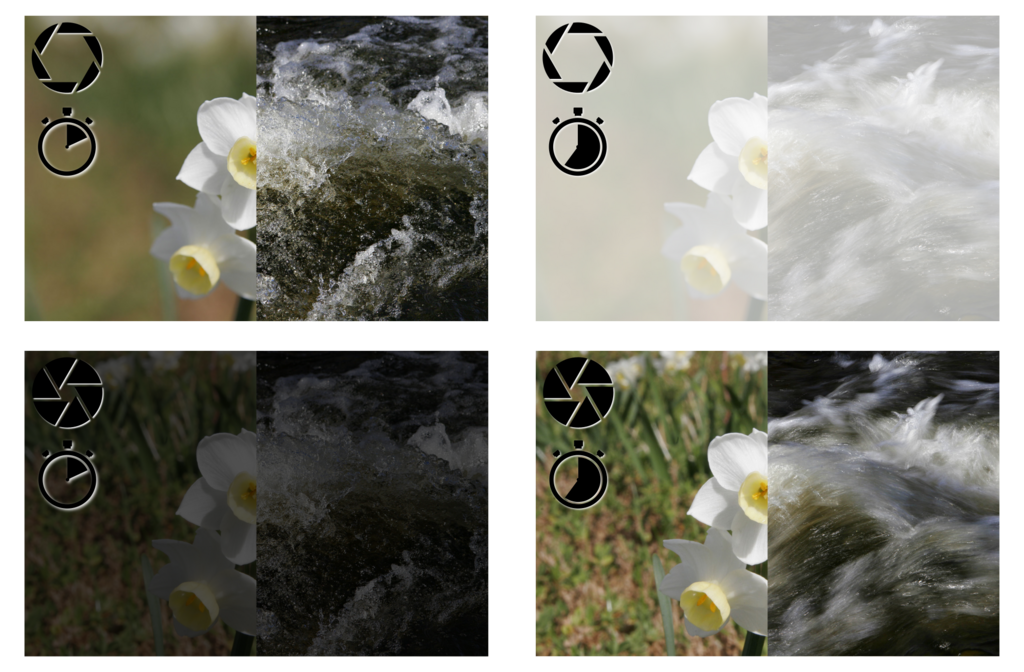
Aperture works like the pupil of your eye. In a dark room, your pupil widens to let in more light. In bright sun, it shrinks. Aperture is measured in f-stops (e.g., f/1.8, f/8). A smaller f-number means a wider opening and more light.
Shutter Speed
noun
The length of time the camera's sensor is exposed to light.
Shutter speed is how long the camera's eye stays open. A fast shutter speed, like 1/1000th of a second, freezes action. A slow shutter speed, like 1 second, creates motion blur, which is great for capturing waterfalls or light trails at night.
ISO
noun
A camera setting that brightens a photo by increasing the sensor's sensitivity to light.
ISO is your camera's helper in dark situations. If you can't open the aperture wider or slow the shutter speed enough, you can raise the ISO to make the sensor more sensitive. The trade-off is that very high ISO settings can add digital noise, or a grainy look, to your photos.
Mastering these three settings is the key to moving beyond automatic modes and taking creative control of your camera.
Ready to test your knowledge on these core concepts?
What does the term “camera obscura,” the precursor to the modern camera, translate to from Latin?
In a digital camera, which component functions as the digital equivalent of film, recording the image information?
Understanding these building blocks—the history, the hardware, and the language of exposure—gives you a solid foundation for your photographic journey.