Photography Essentials
Camera Basics
Choosing Your Tool
At its heart, a camera is a box that captures light. But not all cameras do this in the same way. The three most common types you'll encounter are DSLRs, mirrorless cameras, and compact cameras. Each has its own strengths.
DSLR stands for Digital Single-Lens Reflex. For a long time, these were the go-to for professionals. They use a mirror inside the camera body to reflect light up into an optical viewfinder. This means you see the exact scene through the lens, with no digital screen involved. They are known for their robust build and wide selection of lenses.
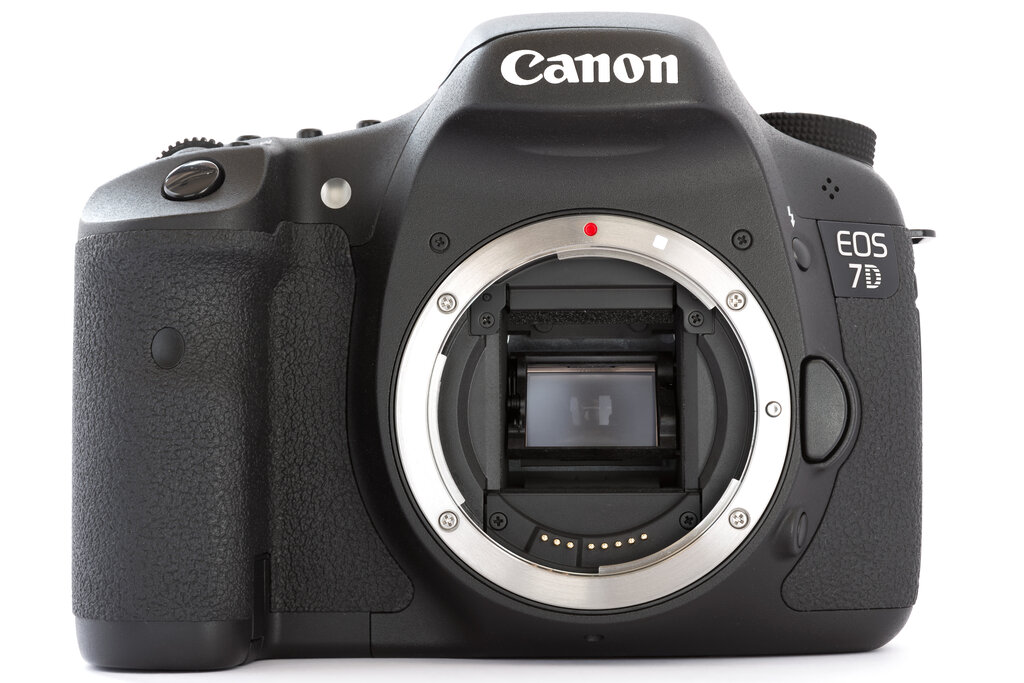
Mirrorless cameras are a newer design. As the name suggests, they don't have a reflex mirror. Instead, light passes directly from the lens to the image sensor, which then displays a live preview on an electronic viewfinder or the back screen. This makes them smaller, lighter, and quieter than DSLRs.
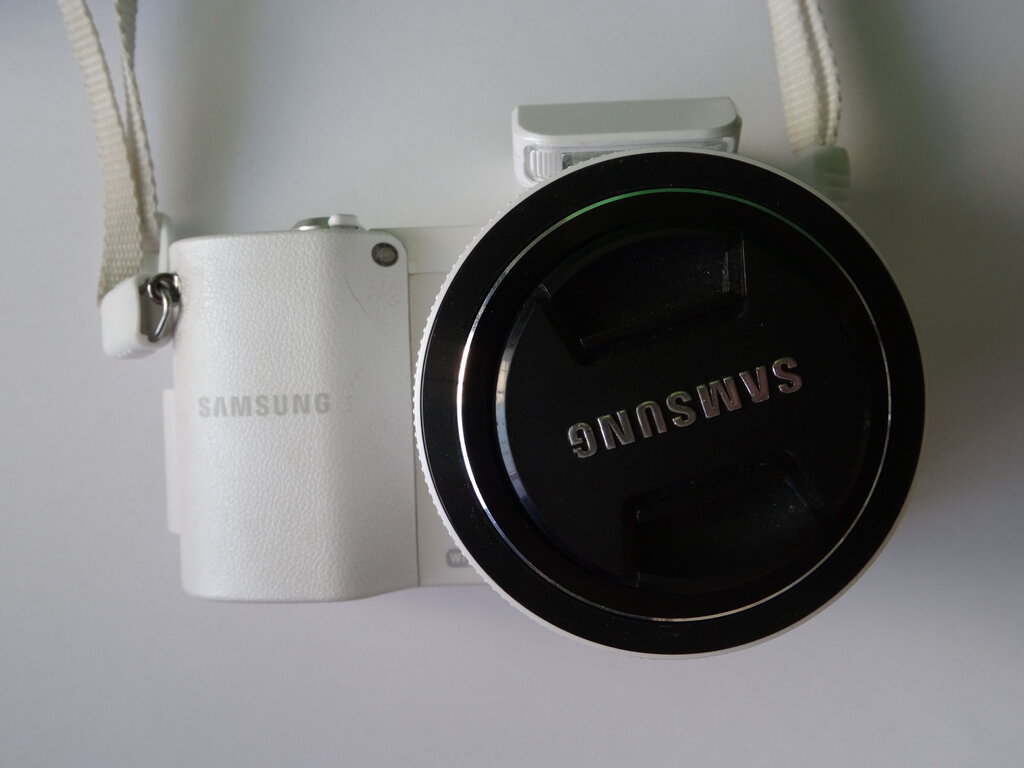
Finally, there are compact cameras, often called point-and-shoots. These are the simplest of the three. They typically have a built-in, non-removable lens and are designed for ease of use. While they offer less manual control, their portability makes them great for casual photography.
Lenses The Eye of the Camera
If the camera is the body, the lens is the eye. It gathers and focuses light onto the sensor. DSLRs and mirrorless cameras feature interchangeable lenses, allowing you to pick the right tool for the job. The most important characteristic of a lens is its focal length.
Focal Length
noun
Measured in millimeters (mm), it determines the lens's angle of view and magnification. A lower number means a wider view, while a higher number means more zoom.
Lenses are generally grouped into three categories:
- Wide-Angle (e.g., 14-35mm): These lenses capture a broad field of view, making them perfect for landscapes, architecture, and large group shots.
- Standard (e.g., 35-70mm): This range mimics the human eye's perspective. It's versatile and great for portraits, street photography, and everyday situations.
- Telephoto (e.g., 70-300mm+): These lenses bring distant subjects closer. They are ideal for wildlife, sports, and any situation where you can't get physically close to your subject.
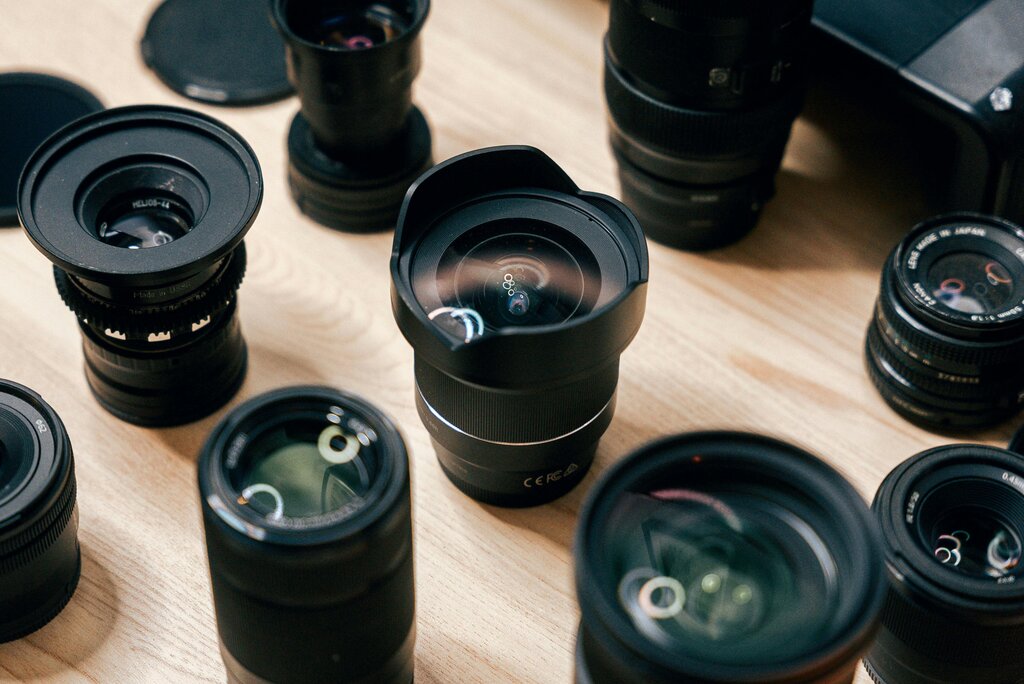
You'll also hear about prime and zoom lenses. A prime lens has a fixed focal length (like 50mm), while a zoom lens covers a range (like 24-70mm). Primes are often lighter and produce sharper images, while zooms offer more flexibility.
The Exposure Triangle
Exposure, the process of controlling how much light hits the camera sensor, is influenced by three main elements: aperture, shutter speed, and ISO.
Aperture, shutter speed, and ISO are the three pillars of photography. They work together to control the brightness, or exposure, of your photo. Understanding how they relate to each other is the key to moving beyond automatic mode.
Let's break down each element.
Aperture is the opening inside the lens that light passes through. It's measured in f-stops, like f/1.8, f/4, or f/11. A lower f-number means a larger opening, letting in more light. Aperture also controls depth of field—the area of your photo that is in focus. A large opening (like f/1.8) creates a shallow depth of field with a blurry background, which is great for portraits. A small opening (like f/11) creates a deep depth of field where everything is sharp, perfect for landscapes.
Think of aperture like the pupil of your eye. It widens in the dark to let more light in and shrinks in bright light.
Shutter Speed is how long the camera's sensor is exposed to light. It's measured in seconds or fractions of a second, like 1/1000s or 1s. A fast shutter speed (like 1/1000s) freezes motion, which is useful for sports or capturing a bird in flight. A slow shutter speed (like 1s) creates motion blur, which can be used creatively to show the movement of water or light trails from cars at night.
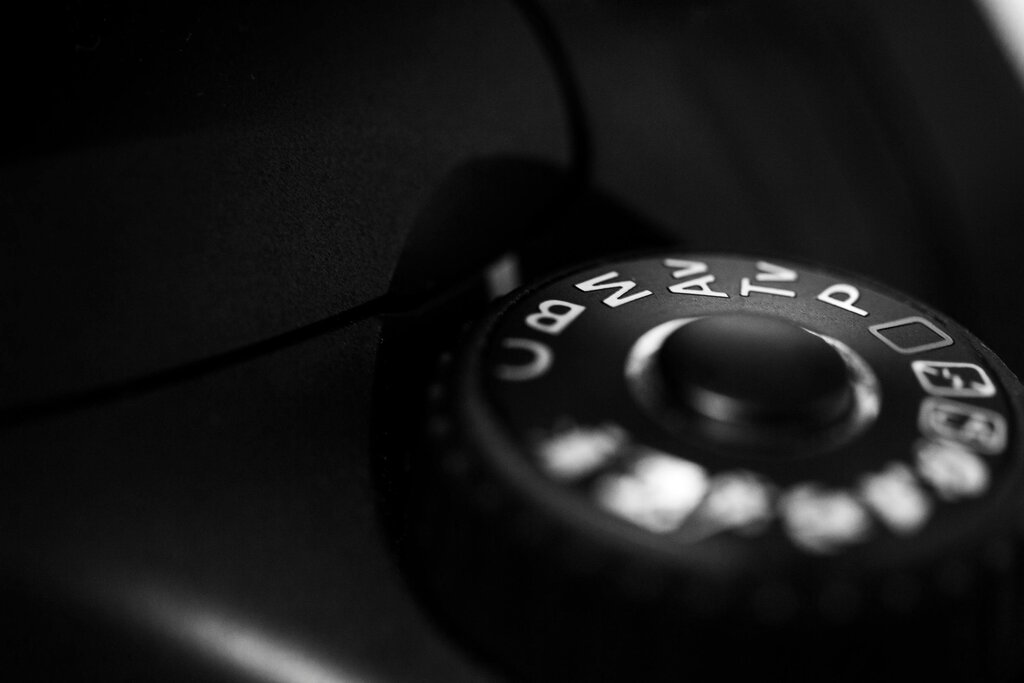
ISO represents the sensor's sensitivity to light. It's measured in numbers like 100, 400, or 1600. A low ISO (like 100) is used in bright light and produces the cleanest, highest-quality images. A high ISO (like 1600 or more) is used in low-light situations to make the sensor more sensitive. The trade-off is that high ISO settings introduce digital noise, which looks like graininess in the photo.
Balancing these three settings is the art of photography. If you change one, you must adjust one or both of the others to maintain the same exposure. Practice is the best way to get a feel for how they interact.
Ready to check your understanding of these core concepts?
What is the primary physical difference that distinguishes a DSLR camera from a mirrorless camera?
You want to take a portrait where the subject is sharp but the background is blurry. Which aperture setting would be most effective?
With these fundamentals, you have the foundation to take control of your camera and start creating intentional, compelling images.