Phishing Defense for Corporate Networks
Understanding Phishing
The Art of Deception
Phishing is a type of cyberattack where criminals trick people into giving away sensitive information. Think of it like a fisherman casting a line, hoping a fish will bite. In this case, the bait is a deceptive message, and the “fish” are unsuspecting users. Attackers want things like passwords, credit card numbers, or company secrets. It’s one of the most common ways that attackers break into secure networks because it targets the human element rather than just technology.
Phishing
noun
A cyberattack that uses disguised email, text messages, or phone calls as a weapon to trick a recipient into revealing sensitive information.
The most common form of this attack is email phishing. An attacker sends an email that looks like it's from a legitimate source—a bank, a popular online store, or even a department within your own company. The email might claim there’s a problem with your account or that you need to verify your information immediately.
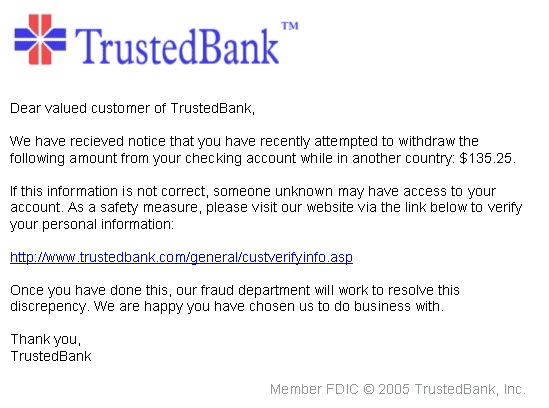
These messages often contain a link that directs you to a fake website. This site will look almost identical to the real one, but it's controlled by the attacker. When you enter your username and password, you're handing your credentials directly to them.
Attackers often create a sense of urgency or fear to pressure you into acting without thinking.
Phishing Beyond Email
Phishing isn't limited to your inbox. Attackers use other methods to reach their targets, too.
Smishing is phishing via SMS, or text messages. You might get a text claiming you've won a prize or that a package delivery has failed. Just like with email phishing, these texts include a link to a malicious site designed to steal your information.
Vishing, or voice phishing, happens over the phone. An attacker might call you pretending to be from a government agency, your bank, or your company's IT support. They might use a friendly tone to gain your trust or an aggressive one to scare you into complying with their requests, such as installing software or revealing a password.
The Psychology of the Scam
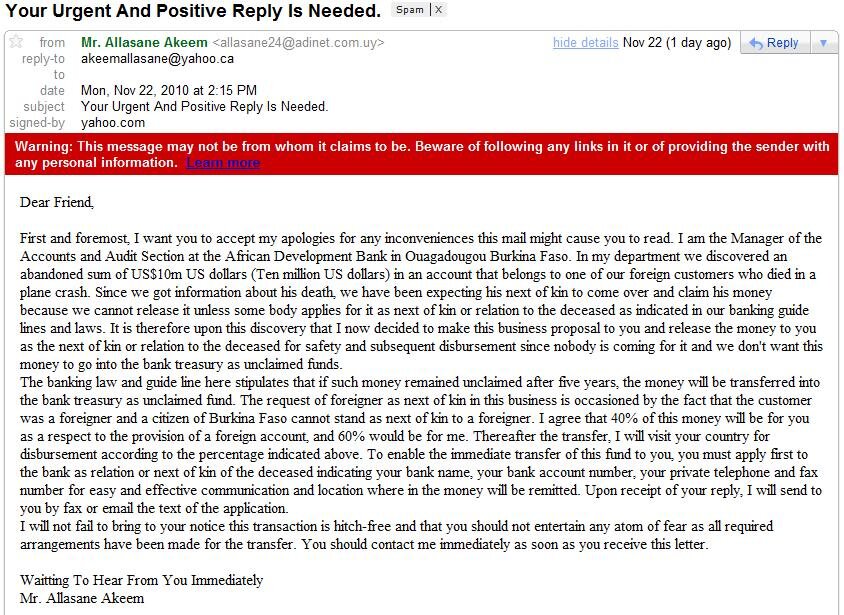
Phishing works by exploiting human psychology. Attackers know that people are more likely to make mistakes when they're feeling strong emotions. They use several tactics to manipulate their victims:
- Authority: By impersonating a CEO, a bank, or a government agency, attackers leverage our natural tendency to trust and obey figures of authority.
- Urgency: Messages that say “Your account will be suspended in 24 hours” or “Urgent action required” create panic. This rushes people into clicking links before they've had a chance to think critically.
- Curiosity and Greed: An email about a massive inheritance or a text message about winning a contest plays on our desire for good fortune, tempting us to click and learn more.
- Fear: Warnings about compromised accounts or suspicious activity are designed to frighten you into “securing” your account on a fake website.
By understanding these tricks, you can become more aware of when someone might be trying to manipulate you.
Now, let's test your knowledge on what we've covered about phishing attacks.
What is the primary goal of a phishing attack?
An attacker who uses a text message to trick you into clicking a malicious link is using a technique called __________.
Recognizing the different forms of phishing and the psychological triggers they use is the first step in protecting yourself and your organization.