Phishing Defense for Corporate Networks
Understanding Phishing
What is Phishing?
Phishing is a type of cyberattack where criminals trick people into giving up sensitive information, like passwords or credit card numbers. The attacker pretends to be a trustworthy source—a bank, a popular website, or even a colleague—to fool the victim.
Think of it like a fisherman casting a line. They use bait on a hook to lure a fish. In the digital world, the bait is a deceptive email, text message, or phone call, and the 'fish' is an unsuspecting person. The goal is to get you to bite, clicking a malicious link or opening a dangerous attachment.
Phishing
noun
A cyberattack that uses disguised email, text messages, or other forms of communication as a weapon to lure victims into revealing sensitive data.
Attackers aren't just after your bank details. They might want to steal your identity, install malware on your device, or gain access to your employer's network. The methods they use vary, but the underlying principle of deception is always the same.
Phishing involves conning individuals via email, text, or even social media messaging.
Types of Phishing Attacks
While the goal is similar, phishing attacks come in several forms. Each type uses a different channel to reach its target.
| Type | Channel | Description |
|---|---|---|
| Email Phishing | The most common form. Attackers send mass emails that appear to be from legitimate companies. | |
| Spear Phishing | A highly targeted attack aimed at a specific person or organization. The email is personalized to seem more credible. | |
| Vishing | Phone Call | Short for "voice phishing." Attackers call and impersonate a trusted entity, like a bank or government agency. |
| Smishing | Text Message | Short for "SMS phishing." This involves sending deceptive text messages with malicious links. |
Spear phishing is particularly dangerous because the attacker does their homework. They might find your name, job title, and recent projects on social media to make their email sound incredibly convincing. For example, they could pose as your IT department and reference a software you actually use, asking you to reset your password through their fake link.
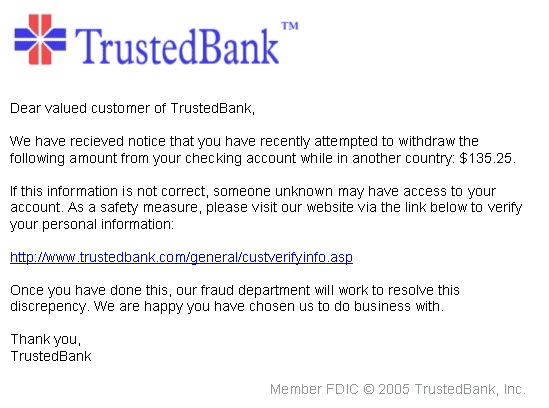
The Psychology of the Scam
Phishing works by exploiting human psychology, not just technical vulnerabilities. Attackers know that people are more likely to make mistakes when they're emotional. They use a few key tactics to bypass your rational thinking.
Urgency is a common tactic. Messages like "Your account will be suspended in 24 hours!" or "Limited time offer!" create a sense of panic, pushing you to act before you think.
Fear is another powerful motivator. An email might claim that a virus has been detected on your computer or that suspicious activity has been found on your account. The message then offers a quick "solution"—clicking a link or downloading a file—that actually causes the problem it claims to solve.
Attackers also prey on curiosity and greed. A message might promise a prize, a tax refund, or access to exclusive information. By appealing to these emotions, they lower your guard and make you more likely to click.
Most phishing attacks create a sense of immediacy and influence fear to extract information from end-users.
As technology advances, so do phishing tactics. Early phishing emails were often easy to spot, filled with spelling errors and generic greetings. Today, attacks are far more sophisticated. With the rise of AI, attackers can now generate highly personalized and grammatically perfect emails, making them harder to detect. They can also create convincing fake websites that are nearly identical to the real ones.
The core principles of deception remain, but the execution has evolved. Staying aware of these changing tactics is key to protecting yourself.
Ready to test your knowledge? This quiz will cover the key ideas we've discussed about phishing attacks and the psychology behind them.
What is the primary goal of a phishing attack?
What is the key difference between general phishing and spear phishing?
Understanding what phishing is and how it works is the first step in defending against it. By recognizing the tactics attackers use, you can better spot these scams in the wild.