Phishing Defense for Corporate Networks
Understanding Phishing
What is Phishing?
Phishing is a type of cyberattack where criminals trick people into giving up sensitive information. Think of it like a digital con artist who sends deceptive messages—usually emails—to lure you into a trap.
Phishing
noun
A fraudulent attempt to obtain sensitive information such as usernames, passwords, and credit card details by disguising as a trustworthy entity in an electronic communication.
The goal is almost always the same: to steal your personal data. This could be anything from your online banking password to your company's internal login details. The attacker impersonates a legitimate organization, like a bank, a social media site, or even a government agency, to gain your trust.
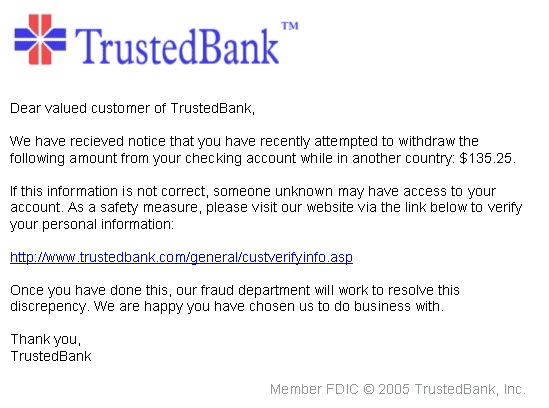
Common Types of Phishing
Phishing isn't a one-size-fits-all attack. Scammers use several methods to cast their nets.
Email Phishing: This is the most common form. Attackers send a mass email to thousands of people, hoping a few will bite. These emails often look generic and may come from a familiar brand, like a delivery service or an e-commerce site.
Spear Phishing: This is a much more targeted attack. Instead of a wide net, the attacker focuses on a specific person or organization. They do their homework, gathering details from social media or company websites to make the email seem personal and believable. For example, a spear phishing email might mention a recent project you worked on or reference a colleague by name.
Whaling: This is a type of spear phishing aimed at senior executives or other high-profile individuals within a company. Since these targets have access to more valuable information, attackers put extra effort into making the scam convincing.
Smishing and Vishing: Phishing doesn't just happen over email. Smishing (SMS phishing) uses text messages, while vishing (voice phishing) uses phone calls. You might get a text message with a suspicious link or a call from someone pretending to be from your bank's fraud department.
The key difference between general phishing and spear phishing is personalization. One is a shotgun blast; the other is a sniper shot.
The Psychology of Deception
Phishing works because it exploits human psychology. Attackers don't just hack computers; they hack our minds. They rely on our natural instincts and emotional responses to bypass our logical thinking.
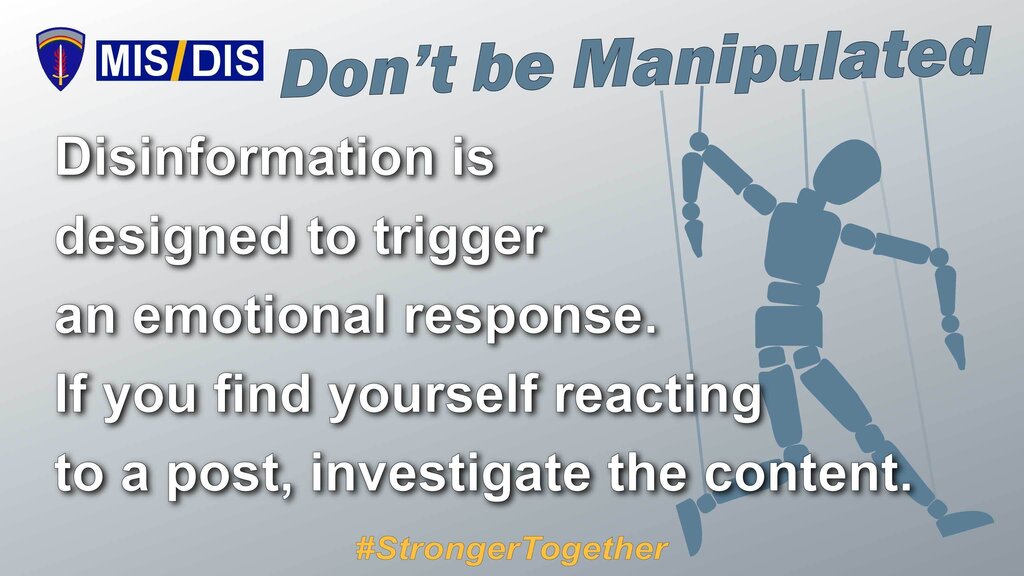
Here are some of the key tactics they use:
- Urgency: The message creates a sense of panic. Phrases like "Your account will be suspended in 24 hours" or "Limited time offer" pressure you to act quickly without thinking.
- Fear: Attackers often use threats to scare you into compliance. You might see warnings about suspicious activity on your account or a notice that you've done something wrong, like illegally downloading a file.
- Authority: We tend to obey authority figures. Scammers take advantage of this by impersonating a CEO, an IT administrator, or a government official. An email that appears to come from your boss is more likely to be trusted.
- Greed: The promise of a reward can be a powerful lure. Messages about winning a lottery, inheriting money, or getting a huge discount are common tactics to trick people into clicking malicious links.
By triggering a strong emotional response, attackers hope you'll act first and ask questions later.
Now that you understand the what, why, and how of phishing, let's test your knowledge.
What is the primary goal of a phishing attack?
An attacker sends a text message to a user with a link, claiming their package delivery has failed and they need to enter their credit card details to reschedule. This tactic is known as ______.
Recognizing these fundamental tactics is the first step toward building a strong defense against cyber threats.