Phishing Defense for Corporate Networks
Phishing Fundamentals
What Is Phishing?
Phishing is a type of cyberattack where criminals trick people into giving up sensitive information. Think of it like actual fishing. An attacker baits a hook (a fake email or message) and casts it out, hoping someone will bite.
The goal is to steal personal details like passwords, credit card numbers, or social security numbers. Attackers often disguise themselves as a trustworthy source, such as a bank, a popular tech company, or even a colleague.
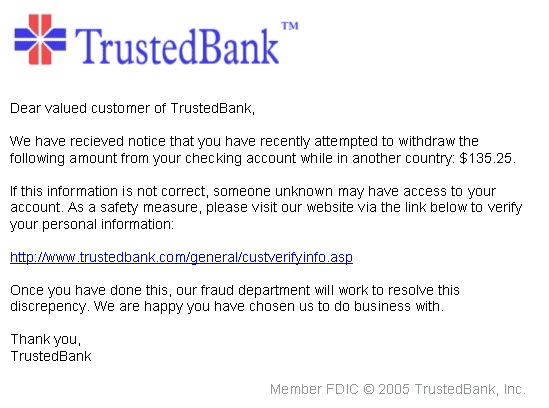
Why is this so significant? For an individual, a successful phishing attack can lead to identity theft and financial loss. For a company, the consequences can be much larger. A single employee clicking a malicious link can compromise an entire corporate network, leading to massive data breaches, financial ruin, and damage to the company's reputation. It's a simple trick with potentially devastating results.
Common Types of Phishing
Not all phishing attacks look the same. They range from broad, generic messages to highly personalized notes. The most common form is the classic phishing email. These are sent to millions of people, playing a numbers game. The message might claim you've won a prize or that there's a problem with your account, urging you to click a link and "verify" your information.
Spear phishing is a far more targeted and dangerous variant. Instead of casting a wide net, attackers aim their "spear" at specific individuals or organizations.
To prepare a spear-phishing attack, a criminal might research their target on social media or the company website. They use this information to craft a highly believable message. For example, an email might appear to come from the company's CEO, asking an employee in the finance department to make an urgent wire transfer.
Two other common methods are vishing and smishing. Vishing (voice phishing) happens over the phone. An attacker might call and pretend to be from your bank or a government agency. Smishing (SMS phishing) uses text messages to deliver the bait, often with a link to a fake website.
| Attack Type | Method | Target Profile |
|---|---|---|
| Phishing | Email, websites | Broad, non-specific |
| Spear Phishing | Specific individual or company | |
| Vishing | Phone calls (voice) | Individuals, often targeting the elderly |
| Smishing | Text messages (SMS) | Mobile phone users |
The Ripple Effect on Networks
When a phishing attack targets a company, the goal is often bigger than just one person's password. The initial victim is just a doorway into the corporate network. Once an attacker gets a foothold, they can move through the system to access more critical data.
A successful phish might install malware on an employee's computer. This malware could be ransomware, which locks up the company's files until a fee is paid, or spyware that secretly collects confidential information over weeks or months. Attackers can steal customer data, intellectual property, and trade secrets, all starting from one deceptive email.
Phishing is the most prominent threat for organizations of all sizes and across all sectors today.
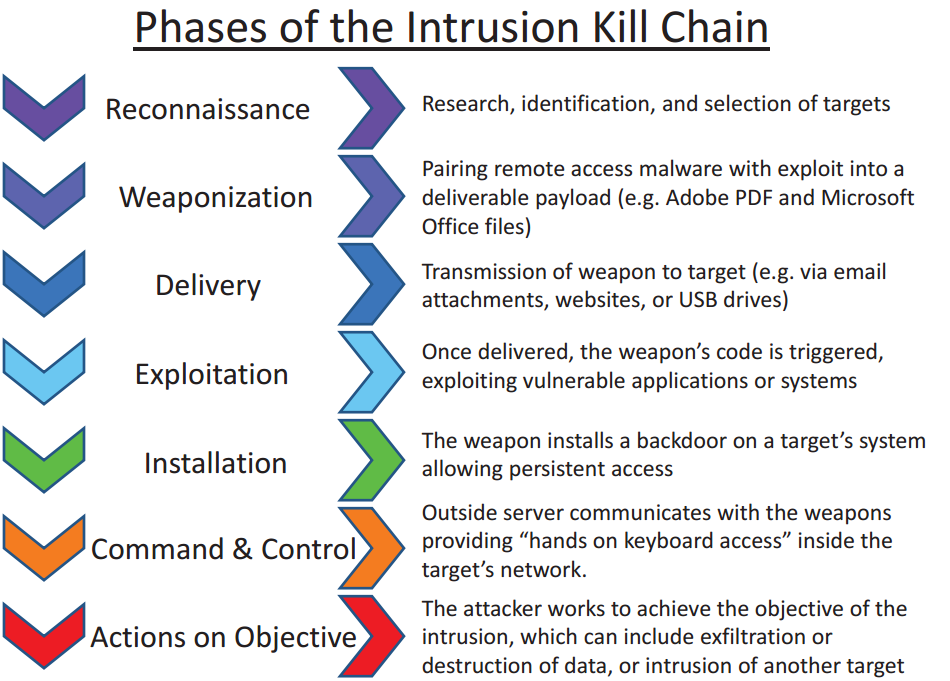
This initial breach is just the first step in a longer chain of events. Security experts often refer to an "intrusion kill chain" to describe the phases of a sophisticated cyberattack. Gaining access through phishing is often just phase one.
Now, let's test your ability to spot the bait.
What is the primary goal of a phishing attack?
An attacker researches a company's finance department on social media and sends a personalized email to a specific employee, pretending to be their direct manager asking for a password reset. This is a classic example of what?
Understanding these fundamentals is the first step toward building a strong defense against one of the internet's most common threats.