Phishing Defense for Corporate Networks
Understanding Phishing
What Is Phishing?
Phishing is a type of cyber attack where criminals impersonate legitimate organizations or individuals to trick people into revealing sensitive information. Think of it as a digital con artist using bait—like a fake email or text message—to lure you into a trap.
The primary goal is to steal personal data, such as login credentials, credit card numbers, or bank account details. Attackers use this information for identity theft, financial fraud, or to gain unauthorized access to private networks.
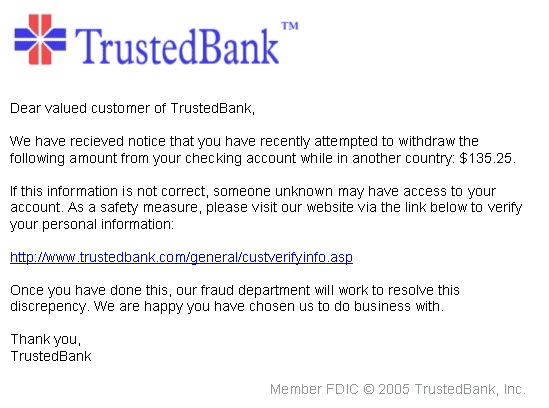
While many phishing attempts are sent out in mass, some are highly personalized and difficult to spot. Understanding the different forms of this attack is the first step in defending against it.
Types of Phishing Attacks
The most common form is email phishing, where an attacker sends a fraudulent message to a large number of people. These emails often look like they're from a well-known company, like a bank or a social media site, and hope that a small percentage of recipients will fall for the scam.
A more targeted and dangerous variant is spear phishing. Instead of casting a wide net, attackers focus on a specific individual, group, or organization. They often research their targets on social media or company websites to craft a highly convincing message that references specific details about their job, colleagues, or recent activities.
For example, a spear phishing email might appear to come from your company's IT department, addressing you by name and referencing a recent software update. It could ask you to click a link to install a patch, which instead installs malware.
Whaling is a type of spear phishing aimed at senior executives, like CEOs or CFOs—the "big fish." Because these individuals have access to highly sensitive information and the authority to approve large financial transactions, they are valuable targets. A whaling attack might impersonate a lawyer or a key business partner to trick an executive into wiring money or sharing confidential corporate strategy.
Phishing isn't limited to email. Smishing uses fraudulent text messages (SMS) to trick you, while vishing uses voice calls. In all cases, the core tactic is the same: deception to provoke an immediate, unthinking response.
How to Spot a Phish
Phishing emails are designed to look real, but they often contain subtle clues. Training yourself to recognize these red flags is crucial for protecting your personal and corporate data. Attackers rely on you being busy or distracted, so taking a moment to scrutinize a suspicious message can make all the difference.
| Tactic | Description |
|---|---|
| Urgent Tone | Creates pressure with threats like "your account will be suspended" to rush you into action. |
| Generic Greetings | Uses vague salutations like "Dear Customer" instead of your actual name. |
| Suspicious Links | The link text may look legitimate, but hovering over it reveals a different, strange URL. |
| Poor Grammar | Contains spelling mistakes, awkward phrasing, or formatting errors. |
| Unexpected Attachments | Includes attachments you weren't expecting, which could contain malware. |
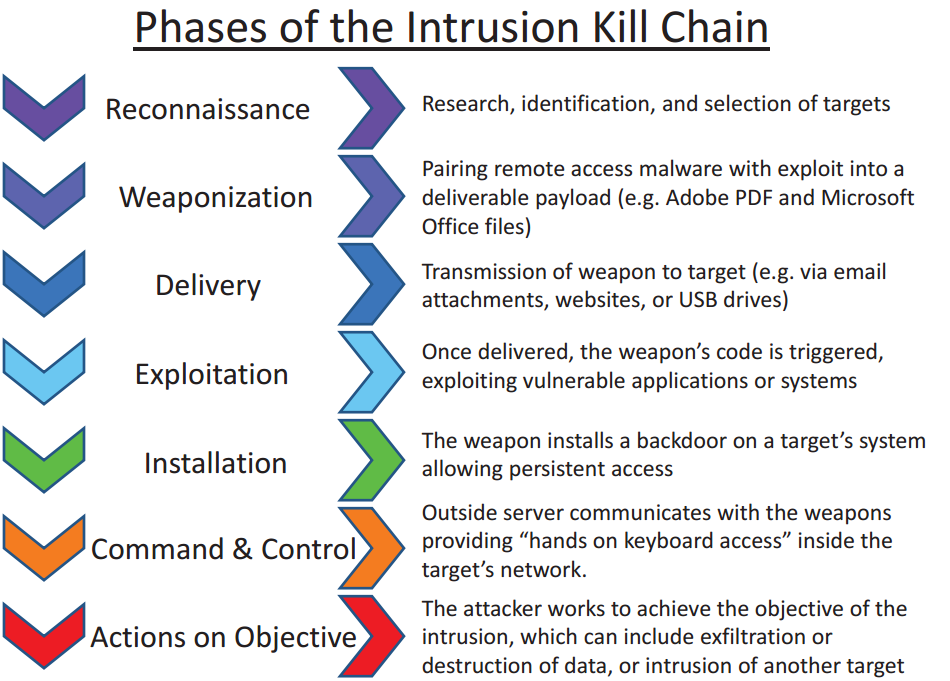
The objective of a phishing attack isn't always immediate financial gain. Sometimes, the goal is to get a foothold inside a corporate network. By tricking just one employee into clicking a malicious link, an attacker can install malware that allows them to move through the network, escalate their privileges, and eventually steal large amounts of data or deploy ransomware.
Now, let's test your ability to identify these threats.
What is the primary goal of a phishing attack?
An attacker researches a specific company's finance department and sends a customized, deceptive email to an accountant. This is an example of __________.
Recognizing the different forms of phishing and their common characteristics is a fundamental skill in cybersecurity. By staying vigilant and questioning suspicious communications, you can become a strong line of defense.