Phishing Defense for Corporate Networks
Understanding Phishing
What is Phishing?
Phishing is a type of cyberattack where criminals trick people into giving up sensitive information. Think of it like a digital con game. Instead of breaking through complex security software, an attacker simply asks for the keys to the kingdom, and often, people hand them over without a second thought.
Phishing
noun
A social engineering attack used to steal user data, including login credentials and credit card numbers. It occurs when an attacker, masquerading as a trusted entity, dupes a victim into opening an email, instant message, or text message.
The goal is almost always to steal things like account passwords, credit card numbers, or social security numbers. Attackers use this information to access important accounts, steal money, or commit identity theft. Phishing works by exploiting human psychology, not technical vulnerabilities. It preys on trust, fear, and curiosity to bypass security measures.
Common Phishing Channels
Phishing attacks can come through various channels, but they all share the same goal of deception. The most common method is email.
An attacker might send an email that appears to be from a well-known bank, a popular social media site, or even your own company's IT department. The email will often contain a link to a fake website that looks identical to the real one.
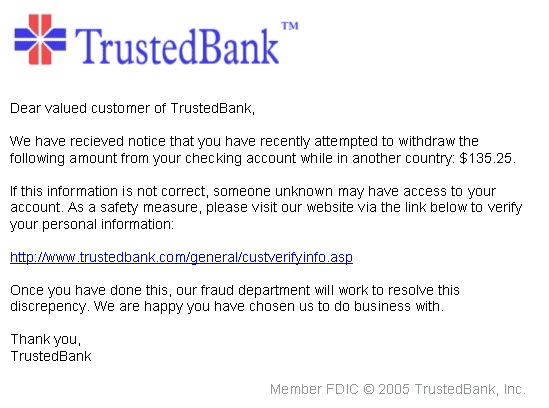
But phishing isn't limited to email. When attackers use phone calls to trick you, it's called vishing (voice phishing). A vishing call might involve a person or an automated message claiming there's a problem with your account or that you've won a prize.
When the attack comes via text message, it's known as smishing (SMS phishing). These messages often contain urgent-sounding language and a link, encouraging you to tap it without thinking. For example, you might get a text claiming a package delivery has failed and you need to click a link to reschedule.
The Psychology of the Hook
Phishing attacks are effective because they manipulate our natural human responses. Attackers use a few key psychological triggers to get us to act without thinking.
Most phishing attacks create a sense of immediacy and influence fear to extract information from end-users.
One of the most powerful tactics is creating a sense of urgency or fear. Messages that claim your account has been compromised, your payment is overdue, or you'll miss out on a limited-time offer are designed to make you panic and act quickly. When we're rushed, we're less likely to scrutinize the message for red flags.
Another common technique is appealing to authority. By impersonating a CEO, a government agency like the IRS, or a tech support specialist, attackers exploit our tendency to trust and obey figures of authority.
They also prey on curiosity and greed. An email promising a huge bonus, a free vacation, or scandalous information about a celebrity might tempt you to click a link or download an attachment just to see what it is. In each case, the attacker is betting that your emotional reaction will override your rational judgment.
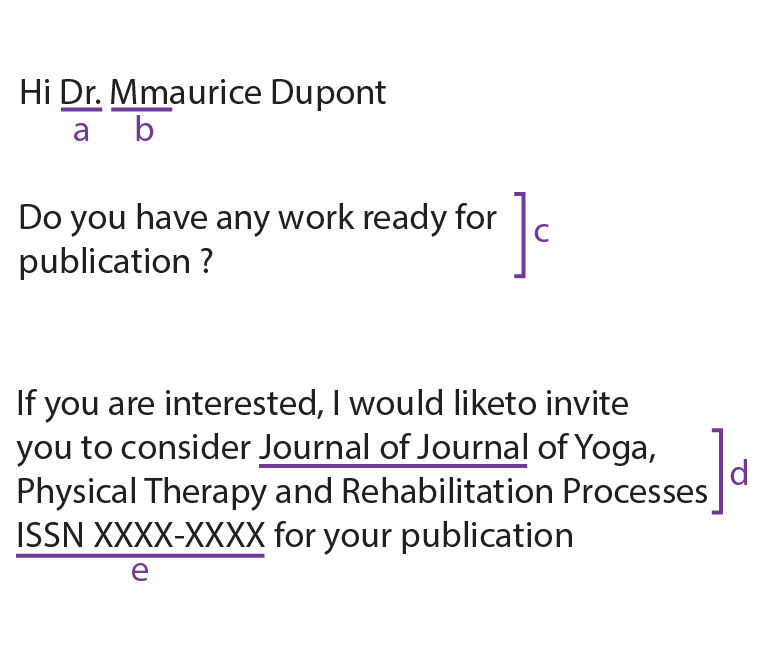
Now, let's see if you can spot the tell-tale signs of these deceptive tactics.
What is the primary goal of most phishing attacks?
Phishing attacks succeed primarily by exploiting technical vulnerabilities in software and networks.