Phishing Defense for Corporate Networks
Understanding Phishing
What Is Phishing?
Phishing is a type of cyberattack where scammers try to trick you into giving them sensitive information, like passwords or credit card numbers. The name comes from "fishing," because attackers are essentially casting out bait, hoping someone will bite.
Instead of a fishing rod, they use fraudulent emails, text messages, or phone calls that look like they're from a legitimate source, such as a bank, a social media site, or even your boss. They're trying to fool you into revealing personal details they can use for malicious purposes.
phishing
noun
A cyberattack that uses disguised email as a weapon to trick the recipient into believing that the message is something they want or need.
Types of Phishing Attacks
While the goal is always the same, phishing attacks can come in a few different forms. The most common is email phishing, where attackers send messages that appear to be from a well-known company.
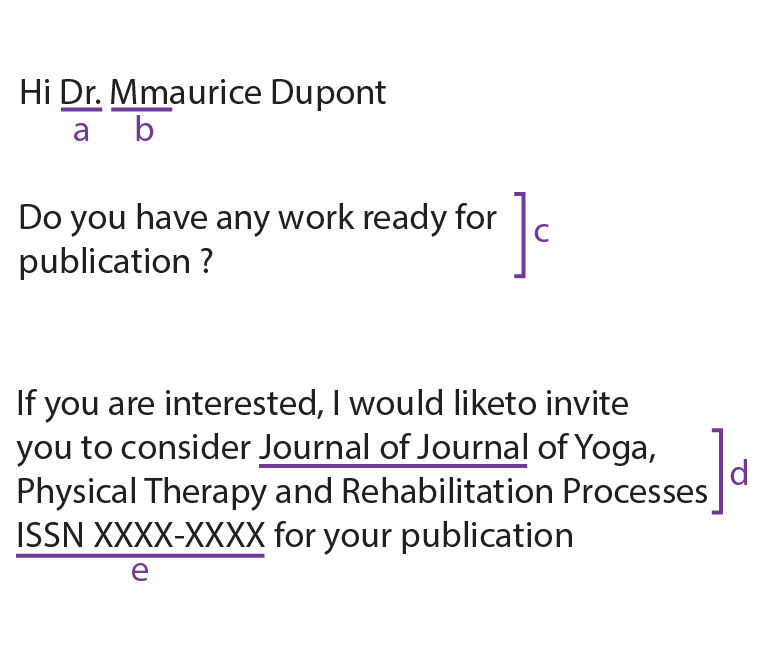
Two other common methods are vishing and smishing.
Vishing, or voice phishing, happens over the phone. An attacker might call you pretending to be from your bank or a government agency, trying to get you to share information verbally.
Smishing is phishing done through SMS, or text messages. You might get a text with a link, claiming you've won a prize or that there's a problem with a delivery. The link leads to a fake website designed to steal your data.
The Psychology Behind the Scam
Phishing doesn't just rely on technology; it exploits human psychology. Attackers use emotional triggers to get you to act without thinking.
One of the most common tactics is creating a sense of urgency or fear. You might see subject lines like "Your Account Has Been Compromised" or "Urgent Action Required." This pressure makes you more likely to click a link or download an attachment before you have time to consider whether it's legitimate.
Another technique is impersonating authority. By pretending to be from a trusted organization like the IRS, a bank, or even the CEO of your company, scammers make their requests seem more credible. People are often conditioned to comply with authority figures, and attackers take advantage of this.
If a message feels urgent, suspicious, or too good to be true, take a moment to pause and think before you click.
Recognizing these tactics is the first step in protecting yourself from digital scams.