Phishing Defense for Corporate Networks
Understanding Phishing
What is Phishing?
Phishing is a type of cyberattack where criminals trick people into giving up sensitive information. Think of it as a digital con artist. Instead of a face-to-face scam, they use deceptive emails, text messages, or phone calls to impersonate a person or organization you trust.
phishing
noun
A fraudulent attempt to obtain sensitive information such as usernames, passwords, and credit card details by disguising as a trustworthy entity in an electronic communication.
The goal is simple: to steal your personal data, like account passwords, credit card numbers, or social security numbers. Attackers use this information to commit identity theft, make unauthorized purchases, or gain access to secure corporate networks. A phishing message often looks legitimate, using the same logos, formatting, and language as the company it's pretending to be.
Common Types of Phishing
Not all phishing attacks are the same. They range from broad, generic messages to highly targeted campaigns. Understanding the different types helps you spot them more easily.
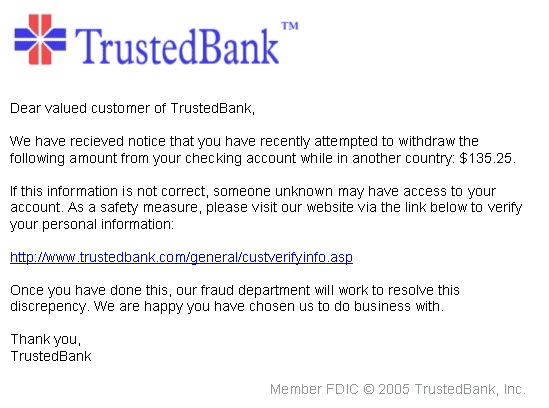
The most common form is email phishing. This is a numbers game. Attackers send a generic fraudulent email to millions of people, hoping a small percentage will fall for the bait. These are often disguised as messages from banks, social media sites, or online payment platforms.
Think of standard phishing as casting a wide net. The attacker doesn't know who they'll catch—they just want to catch someone.
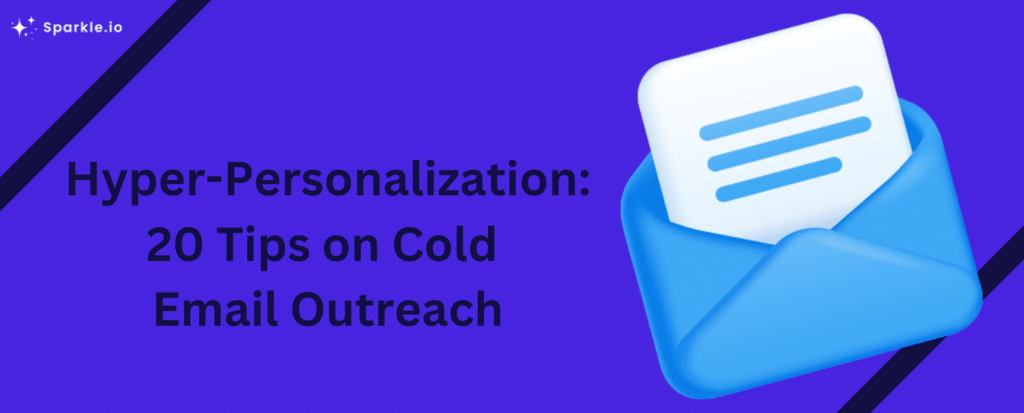
Spear phishing is much more personal and dangerous. Instead of a wide net, the attacker uses a spear. They target a specific person or a small group, like the finance department of a company. Before launching the attack, the criminal gathers information about the target from social media or other public sources. This allows them to craft a highly convincing and personalized message that seems to come from a trusted colleague or manager.
For example, an attacker might find the name of the CEO and the head of accounting on the company's website. They could then send an email that looks like it's from the CEO to the accounting lead, with a subject line like "Urgent Q3 Wire Transfer Request." The email would use the CEO's name and might reference a recent company event to seem more legitimate.
Phishing isn't limited to email. Vishing (voice phishing) happens over the phone. A scammer might call you pretending to be from your bank or a government agency, trying to trick you into revealing personal information. Smishing (SMS phishing) is the same idea, but it uses text messages. You might get a text with a link, claiming you've won a prize or that there's a problem with a delivery.
The Psychology of the Scam
Phishing works by exploiting human psychology, not just technology. Attackers know that people are more likely to make mistakes when they're emotional. Their messages are carefully designed to trigger a few key feelings:
- Urgency: Phrases like "Action Required Immediately" or "Your Account Will Be Suspended" create a sense of panic. This makes you act quickly without thinking.
- Fear: Warnings about a security breach or a suspicious login attempt are meant to scare you into clicking a malicious link to "fix" the problem.
- Curiosity: An email might tease you with a message like "You won't believe what your coworker said about you" or offer a link to a package you don't remember ordering.
- Authority: By impersonating a boss, a government agency like the IRS, or a well-known company, attackers bank on you trusting the message without question.
These tactics bypass our rational thought process. The attacker wants you to react emotionally, because an emotional mind is less likely to spot the red flags.
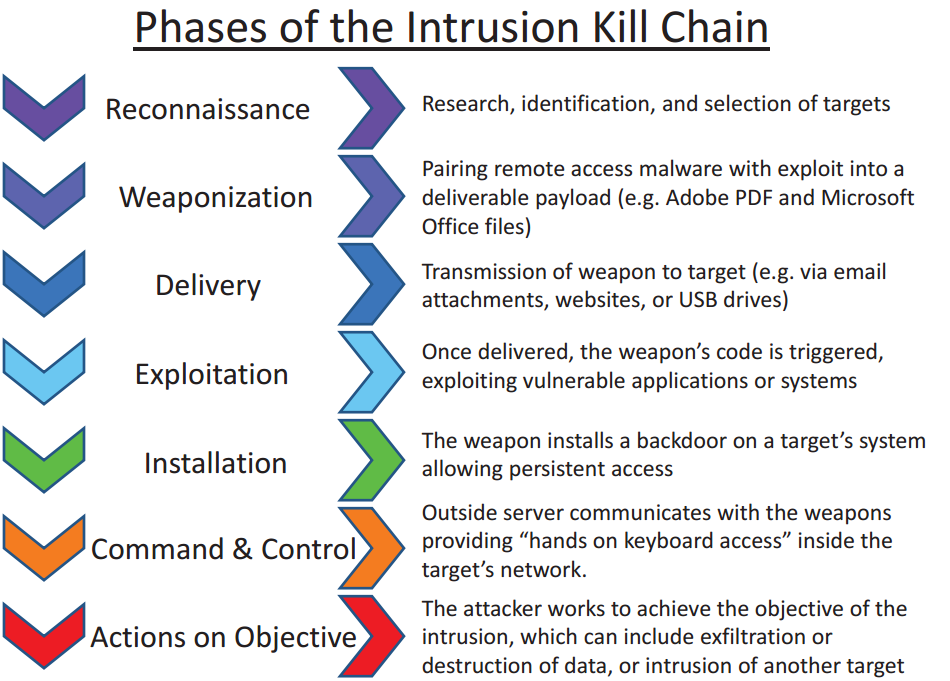
Protecting yourself and your employer against phishing attacks relies foremost on critical thinking; however, there are some business processes and technologies that can help.
The Aftermath of an Attack
A successful phishing attack can have devastating consequences. For an individual, it can lead to identity theft and financial loss. For a company, the damage can be catastrophic.
A single employee clicking on a malicious link can open the door for attackers to infiltrate the entire corporate network. This can result in a massive data breach, where customer information, trade secrets, and financial records are stolen. The costs to clean up a breach, notify customers, and pay for credit monitoring can run into the millions.
There's also direct financial loss. In 2015, a networking technology company named Ubiquiti Networks lost $46.7 million in a spear phishing attack. An employee in the finance department was tricked into wiring funds to an overseas account controlled by criminals who were impersonating company executives.
Beyond the financial cost, a major breach causes significant reputational damage. Customers lose trust in a company that can't protect their data. That loss of trust can be harder to recover from than the financial hit itself.
Now, let's test what you've learned about the fundamentals of phishing.
What is the primary goal of a phishing attack?
An attacker researches a specific employee on social media and then sends them a highly personalized, deceptive email that appears to be from their boss. What is this type of attack called?
Recognizing the different forms of phishing and the psychological tactics behind them is the first step in defending against these common attacks.