Phishing Defense for Corporate Networks
Understanding Phishing
What Is Phishing?
Phishing is a type of cybercrime where attackers pose as legitimate organizations or people to trick you into revealing sensitive information. Think of it as a digital con game. The goal is to steal things like account passwords, credit card numbers, or social security numbers.
phishing
noun
A cybercrime in which a target is contacted by email, telephone, or text message by someone posing as a legitimate institution to lure individuals into providing sensitive data.
These attacks are incredibly common and serve as the starting point for many data breaches. An attacker might use your stolen password to access a corporate network or use your credit card details to make fraudulent purchases. Understanding how these scams work is the first step in defending against them.
Phishing is a cybercrime in which someone pretends to be a legitimate institution and contacts a target or target group through email, phone, or text message to convince them to provide sensitive information, including personal and business data, credit card details, and passwords.
Common Phishing Methods
While the goal is always the same, phishing attacks come in several forms. They differ based on the communication method and how personalized they are.
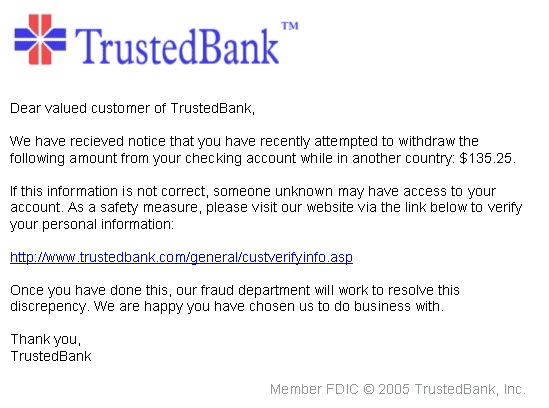
Email Phishing This is the most widespread form of phishing. Attackers send a generic email to a massive number of people, hoping a small percentage will fall for the bait. These messages often mimic well-known brands like banks, social media sites, or e-commerce stores.
Spear Phishing Unlike the broad approach of regular phishing, spear phishing is highly targeted. The attacker researches a specific individual or organization and crafts a personalized message. The email might mention the target's name, job title, or recent projects to appear more credible. This extra effort makes spear phishing much more effective.
Whaling Whaling is a type of spear phishing aimed at high-profile targets, or "big fish," like CEOs, CFOs, or other executives. The goal is often to trick them into authorizing large wire transfers or revealing confidential company strategy.
Smishing and Vishing Phishing doesn't just happen over email. When it happens via SMS text messages, it's called smishing. When it happens over a phone call, it's called vishing (voice phishing). You might get a text with a link about a package delivery or a call from someone pretending to be from tech support.
| Attack Type | Communication Medium | Target |
|---|---|---|
| Email Phishing | Broad, non-specific audience | |
| Spear Phishing | Specific individual or organization | |
| Whaling | High-profile executives (CEOs, CFOs) | |
| Smishing | SMS Text Message | Mobile phone users |
| Vishing | Voice Call | Anyone with a phone |
The Psychology of the Scam
Phishing works by exploiting human psychology, not just technical vulnerabilities. Attackers use specific emotional triggers to get people to act without thinking.
Two of the most powerful tools in a phisher's arsenal are urgency and fear.
A sense of urgency pushes you to act quickly. Messages like "Your account will be suspended in 24 hours!" or "This limited-time offer expires in one hour!" are designed to prevent you from taking a moment to consider whether the request is legitimate.
Fear is another strong motivator. An email might claim that suspicious activity has been detected on your account or that you'll face a penalty if you don't act immediately. This anxiety can cause people to click a malicious link or provide information they otherwise wouldn't.
Most phishing attacks create a sense of immediacy and influence fear to extract information from end-users.
By understanding these manipulation tactics, you can learn to recognize the red flags in a message and pause before you click.
What is the primary goal of a phishing attack?
An attacker sends a personalized email to a company's CFO, mentioning their name and a recent conference they attended, to trick them into authorizing a wire transfer. What type of attack is this?