Phishing Attack Detection for Network Security
Understanding Phishing
What is Phishing?
Imagine a fisherman casting a line with an attractive lure. The goal isn't to catch a specific fish, but any fish that bites. Phishing works the same way, but the bait is a deceptive message and the target is your personal information.
Phishing
noun
A type of cyber attack where criminals impersonate legitimate organizations or people to trick individuals into revealing sensitive information, such as login credentials, credit card numbers, or other personal details.
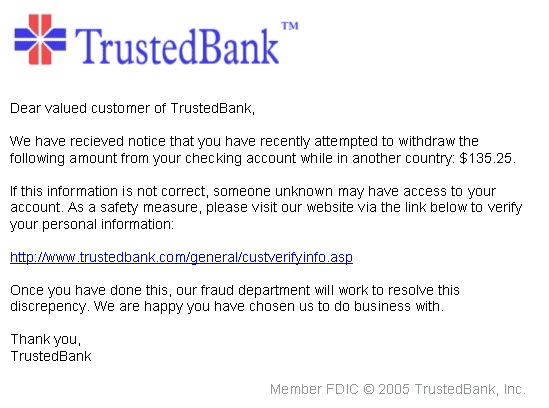
Attackers send fraudulent emails, texts, or social media messages that look like they're from sources you trust, like your bank, a delivery service, or even your own company's IT department. These messages often create a sense of urgency or fear to pressure you into acting without thinking.
Common Forms of Attack
While email is the most common delivery method, phishing can happen through any communication channel. The goal is always the same: get you to click a malicious link or download a dangerous attachment.
| Attack Type | Channel | Common Tactics |
|---|---|---|
| Phishing | Impersonating a known brand, urgent requests, fake invoices | |
| Smishing | SMS (Text Message) | Fake package delivery alerts, urgent bank notifications |
| Vishing | Voice Call | Pretending to be tech support or a government agency |
| Social Media | Direct Message | Fake promotions, messages from a compromised friend's account |
Regardless of the method, the playbook is similar. The message might say your account has been compromised, you've won a prize, or you need to verify a payment. They are all designed to make you panic and give up your information.
Urgency is a classic red flag. If a message pressures you to act immediately, take a moment to pause and investigate.
Impact on Organizations
A single successful phishing attack can have a devastating ripple effect on a company. It's often just the first step in a much larger cyberattack. Once an attacker gets a foothold through a stolen password, they can move through the network to access more sensitive systems.
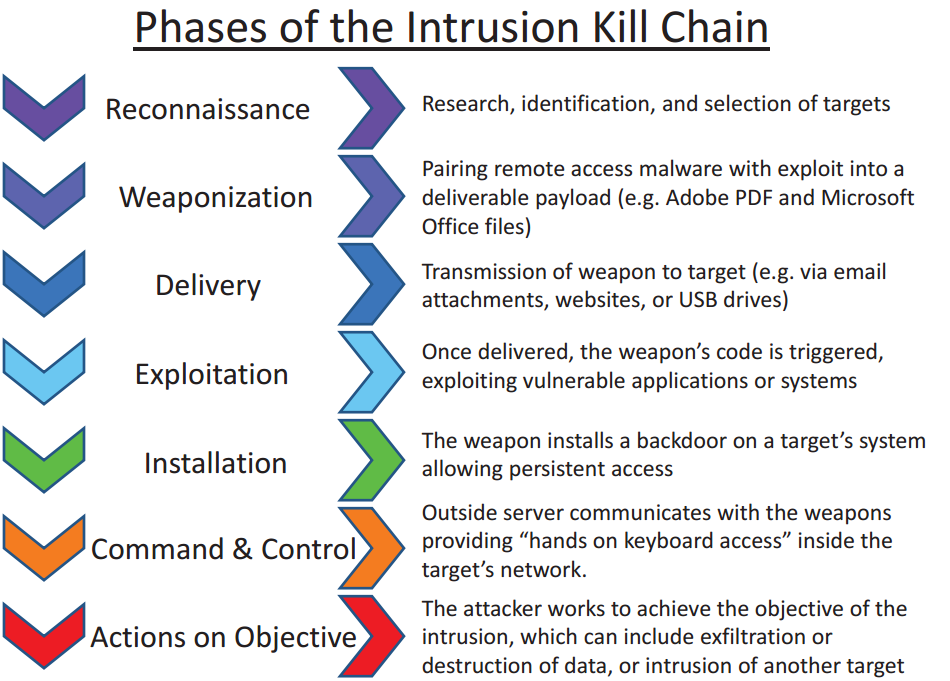
The consequences can be severe. Organizations face direct financial losses from fraudulent wire transfers, the high cost of responding to a data breach, and regulatory fines for failing to protect customer data. Beyond the financial hit, a public breach can severely damage a company's reputation and erode customer trust, which can take years to rebuild.
Protecting the company starts with each employee recognizing and reporting these deceptive messages.