Philosophy for Navigating 2026
Introduction to Practical Philosophy
Philosophy in Action
When you hear the word “philosophy,” what comes to mind? Maybe it’s ancient Greeks in togas debating the nature of reality, or dense, unreadable books about the meaning of existence. It’s a common view: philosophy is abstract, academic, and disconnected from the real world. But what if it’s also a practical toolkit for navigating your daily life?
That’s the core idea behind practical philosophy. It’s a branch of thinking that isn’t just about big, abstract questions. It’s about applying those big ideas to the concrete problems and choices we face every day. It shifts the focus from merely understanding the world to actively living better within it.
Practical philosophy is about bridging the gap between what we believe and how we act.
Theory vs. Practice
To understand practical philosophy, it helps to contrast it with its counterpart, theoretical philosophy. Think of it like the difference between a physicist and an engineer.
Theoretical philosophy grapples with fundamental questions about reality, knowledge, and existence. It asks things like: What is truth? What is consciousness? Does free will exist? Its goal is to understand the world as it is. It's the physicist exploring the laws of the universe.
Practical philosophy, on the other hand, is concerned with action. It asks: How should we live? What is a good life? What is the right thing to do in this situation? Its goal is to guide our choices. It’s the engineer using the laws of physics to build a bridge. One discipline seeks to know, the other seeks to do.
| Theoretical Philosophy | Practical Philosophy | |
|---|---|---|
| Core Question | What is true? | What should I do? |
| Focus | Understanding reality | Guiding action |
| Goal | Knowledge | Wisdom & good conduct |
| Example Fields | Metaphysics, Epistemology | Ethics, Political Philosophy |
This doesn't mean theory is useless. Good practice is always built on a solid theoretical foundation. You can’t decide how to act without some understanding of the world. But practical philosophy insists that the thinking shouldn’t stop there. The ideas must be tested and applied in the real world.
A Toolkit for Modern Life
So why does this matter now? We live in a world overflowing with information, complex ethical dilemmas, and rapid change. Simply having more data doesn't help us make better decisions. We need a framework to think clearly, and philosophy provides the tools to build one.
Consider the challenges we face:
- Navigating Misinformation: Logic, a key philosophical tool, helps us identify flawed arguments and assess the evidence behind claims.
- Ethical Tech: As AI becomes more integrated into our lives, questions about privacy, bias, and responsibility become urgent. Practical ethics gives us frameworks for thinking through these complex issues.
- Personal Decisions: How do you balance your career goals with your personal values? How do you have a constructive disagreement with a friend? Philosophy offers methods for self-reflection and clear communication.
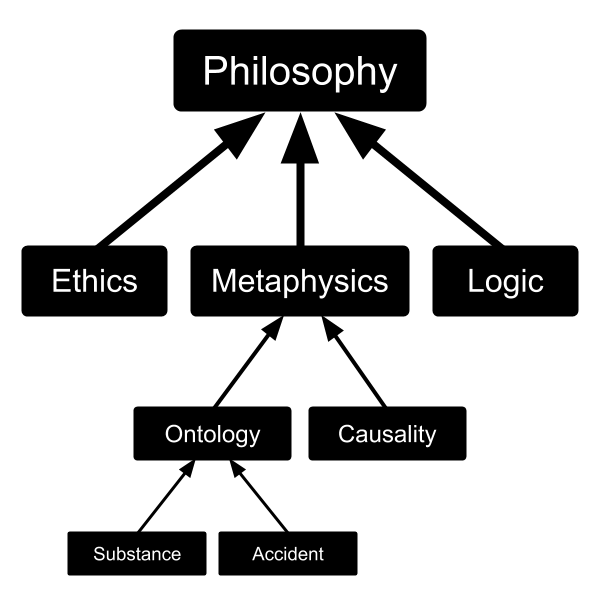
Practical philosophy equips you to be a better thinker. It teaches you to clarify your own beliefs, understand the perspectives of others, and make decisions that are not just reactive, but deliberate and aligned with your principles. It's not about finding a single right answer, but about learning to ask better questions.
Philosophy improves critical thinking, decision-making, and understanding of different viewpoints.
By learning to apply these concepts, you can move from simply having opinions to forming well-reasoned judgments. This is the central promise of practical philosophy: to help you think with clarity and live with purpose in a complicated world.
What is the primary focus of practical philosophy?
The provided text uses an analogy to contrast two branches of philosophy. In this analogy, the practical philosopher is like the...