Phillips Pacalet Wines Deep Dive
Introduction to Philippe Pacalet
The Natural Approach
Philippe Pacalet isn't just a winemaker; he's a figure who embodies a philosophy. To understand his wines, you first have to understand his journey, which began long before he bottled his first vintage. Winemaking is in his blood. His uncle was Marcel Lapierre, a legendary producer in Beaujolais and a pioneer of the French natural wine movement. Growing up, Pacalet was immersed in a world that questioned conventional techniques.
This environment instilled in him a core belief: wine should be an honest expression of its origin, with as little intervention as possible.
Pacalet didn't just rely on family wisdom. He pursued formal studies in oenology and gained practical experience in various cellars. His most formative period came during his decade-long tenure as the winemaker at Domaine Prieuré-Roch in Burgundy. The estate, co-owned by Henry-Frédéric Roch of Domaine de la Romanée-Conti, was a bastion of non-interventionist winemaking. Here, Pacalet honed his skills in working with whole grape clusters, native yeasts, and minimal sulfur. This experience solidified his commitment to producing wines that are pure, vibrant, and deeply connected to their terroir.
A Cellar in Beaune
In 2001, Philippe Pacalet took a leap of faith. He left his position at Prieuré-Roch to start his own project. Instead of buying vineyards, a nearly impossible feat in Burgundy's fragmented and expensive landscape, he established a cellar in the heart of Beaune. He operates as a négociant, but not in the traditional sense.
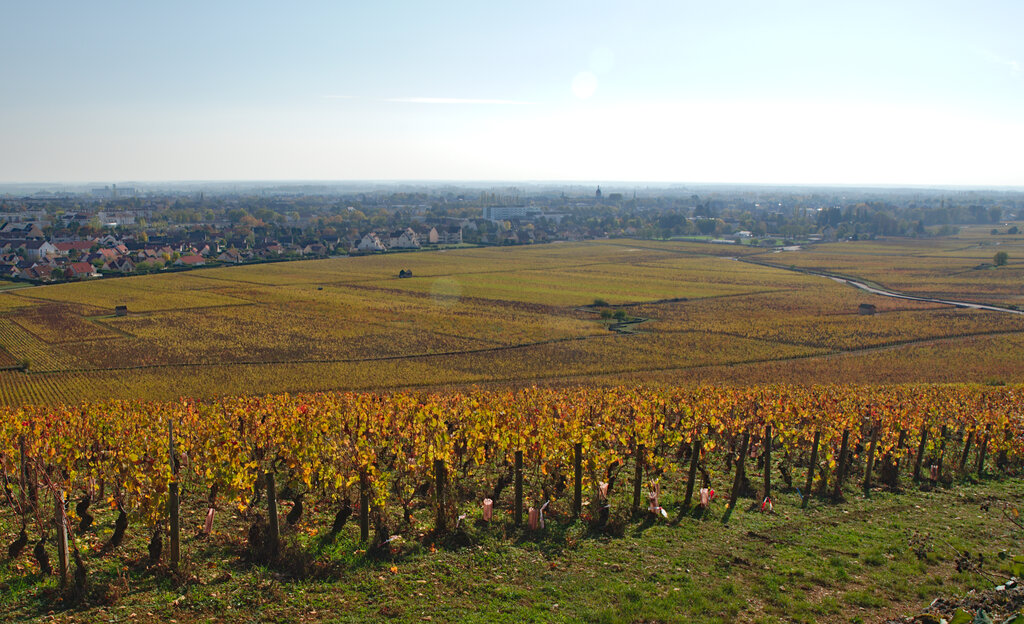
Typically, a négociant buys finished wine or grapes and bottles it under their own label. Pacalet, however, works more like a grower. He carefully selects vineyard plots and partners with the landowners, directing the farming practices throughout the year to ensure the grapes meet his exacting standards. He manages the harvest himself, bringing the fruit back to his Beaune cellar to vinify.
This unique model gives him both control over fruit quality and the flexibility to source from some of Burgundy's most prestigious appellations. It's a testament to the philosophy he inherited and refined: the winemaker's job is not to create, but to guide the grapes in expressing their own inherent character.
Who was Philippe Pacalet's influential uncle, a key figure in the French natural wine movement?
For a decade, Philippe Pacalet honed his non-interventionist winemaking skills at which famous Burgundy estate?
His approach combines deep respect for tradition with a clear, personal vision.