Philippine Taxes for Contractors
Understanding Tax Obligations
Your Tax Responsibilities
As an independent contractor, you are your own boss. That means you're also your own finance department. Unlike traditional employees who have taxes automatically deducted from their paychecks, you are responsible for calculating and paying your own taxes to the government.
In the Philippines, this involves a few key taxes. The main ones you'll encounter are Income Tax, Value-Added Tax (VAT), and Percentage Tax. Understanding these is the first step to managing your finances responsibly and staying on the right side of the law.
Income Tax for Independents
Income tax is a tax on your earnings. For independent contractors, it's calculated based on your net income—that's your total earnings (gross receipts) minus any allowable business expenses. These expenses can include things like internet bills, software subscriptions, or office supplies, as long as they are directly related to your work.
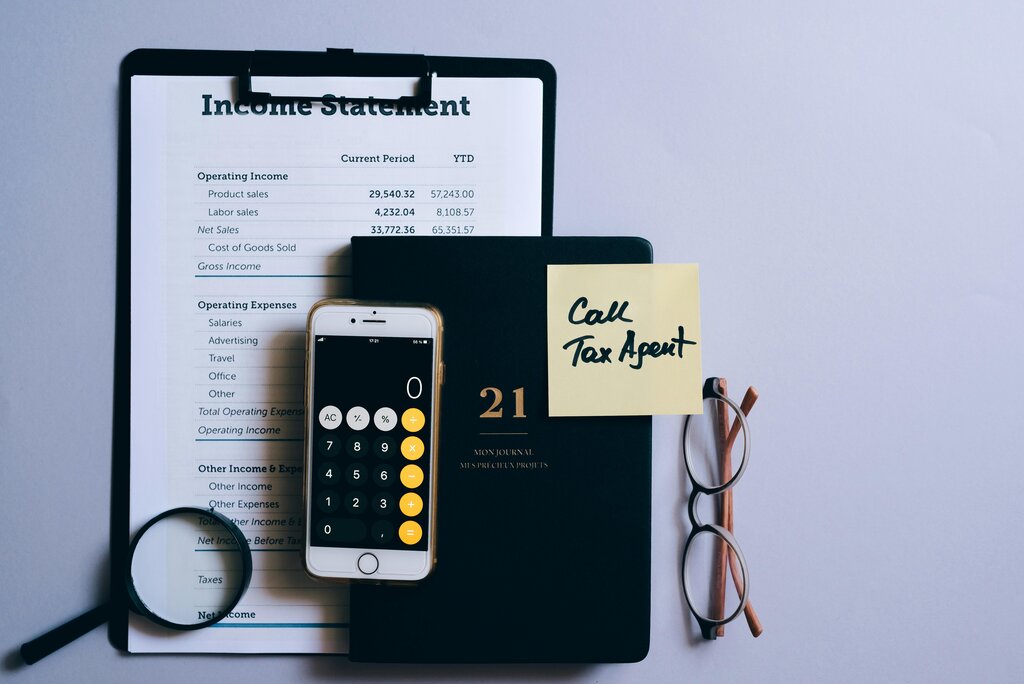
The Philippines uses a progressive tax system, which means the more you earn, the higher your tax rate. This ensures that everyone contributes their fair share. Your goal is to accurately report your income and claim your legitimate expenses to determine the correct amount of tax you owe.
VAT vs. Percentage Tax
Besides income tax, you'll also need to pay a business tax. This usually comes in one of two forms: Value-Added Tax (VAT) or Percentage Tax. You don't pay both; you pay one or the other.
The deciding factor is your annual gross sales or receipts. If your total earnings for the year exceed ₱3,000,000, you are required to register for and pay VAT. If your earnings are below this threshold, you will pay the Percentage Tax instead.
Think of it as a fork in the road. Your annual income determines which path you take for business taxes.
| Tax Type | Who Pays It | Tax Rate |
|---|---|---|
| Percentage Tax | Independent contractors with annual gross sales/receipts of ₱3,000,000 or less. | Generally 3% of gross sales/receipts (rate may vary). |
| Value-Added Tax (VAT) | Independent contractors with annual gross sales/receipts exceeding ₱3,000,000. | 12% of the sale of goods or services. |
The Role of the BIR
The government agency responsible for collecting these taxes is the Bureau of Internal Revenue, or BIR. It's their job to administer the tax laws, assess and collect all national internal revenue taxes, and enforce penalties for non-compliance.
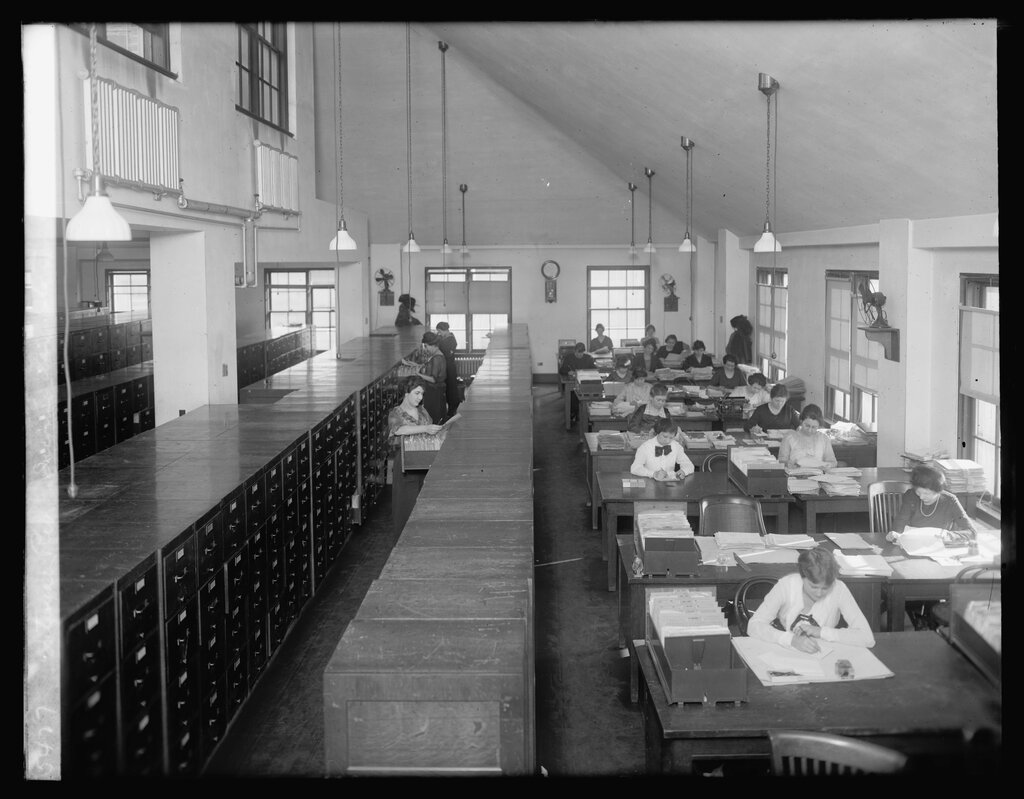
While dealing with a government agency can seem intimidating, the BIR also provides resources and services to help taxpayers understand their obligations. It's important to view tax compliance not just as a duty, but as a key part of running a professional and legitimate business.
Ignoring your tax duties can lead to serious consequences. Penalties for non-compliance can include hefty fines, interest charges on unpaid taxes, and in severe cases, even imprisonment. It's always better to be proactive.
Staying compliant has significant benefits. It keeps you out of legal trouble and allows your business to grow without fear of future tax issues. More importantly, the taxes you pay contribute directly to public services like infrastructure, healthcare, and education that benefit everyone in the country.
Ready to check your understanding? Let's see what you've learned.
What is the primary basis for calculating an independent contractor's income tax in the Philippines?
An independent contractor's gross annual receipts are ₱2,800,000. Which business tax are they required to pay?
Understanding your tax obligations is a fundamental part of being a successful independent contractor. It empowers you to manage your finances effectively and contribute to the economy.