Philanthropic Network Strategies
Network Design Principles
Beyond Hub-and-Spoke
Traditional philanthropy often operates on a hub-and-spoke model. A foundation or individual sits at the center, making decisions and directing funds outwards to various nonprofits. This structure is clear and controlled, but it struggles with complex, systemic problems like climate change or educational inequity. These issues are too vast and interconnected for any single organization to solve. The central hub becomes a bottleneck, limiting the system's ability to adapt and learn.
The alternative is a decentralized network. In this model, the philanthropist is no longer the central hub but one important node among many. Power and decision-making are distributed across the network, which includes nonprofits, community leaders, academics, and other funders. Instead of top-down commands, the network coordinates its actions through shared values and a common vision. The paradigm shifts from 'command and control' to 'facilitate and empower,' fostering collective ownership of both problems and solutions.
Decentralized governance empowers network participants to collectively steer the evolution of digital systems, moving beyond centralized control.
The Four Roles of Network Leadership
Leadership in a decentralized network looks very different from a traditional top-down hierarchy. It’s less about having authority and more about enabling the system to succeed. Effective network leaders operate in four distinct but overlapping roles. A single person might play multiple roles, or different people might specialize.
| Role | Primary Function | Key Activities |
|---|---|---|
| Catalyst | Sparks the initial energy and vision | Identifies a critical issue, convenes the first stakeholders, frames the purpose. |
| Facilitator | Creates the container for collaboration | Designs meetings, guides conversations, ensures inclusive participation, manages conflict. |
| Weaver | Builds and strengthens relationships | Connects people and organizations, identifies overlaps in work, fosters trust. |
| Coordinator | Manages the network's logistics | Aligns activities, tracks progress, manages shared resources, handles communication. |
A philanthropist might act as a Catalyst by providing the initial funding and vision for a new initiative. As the network forms, they might step back and support a neutral third party to act as a Facilitator. Throughout the process, individuals known as are crucial. They are the human connective tissue, constantly sensing the network's health and forging personal bonds that turn a collection of individuals into a resilient community.
The Network Life Cycle
Networks are living systems that evolve over time. Understanding their life cycle helps funders provide the right kind of support at the right time. The process generally follows three phases: seed, grow, and sustain.
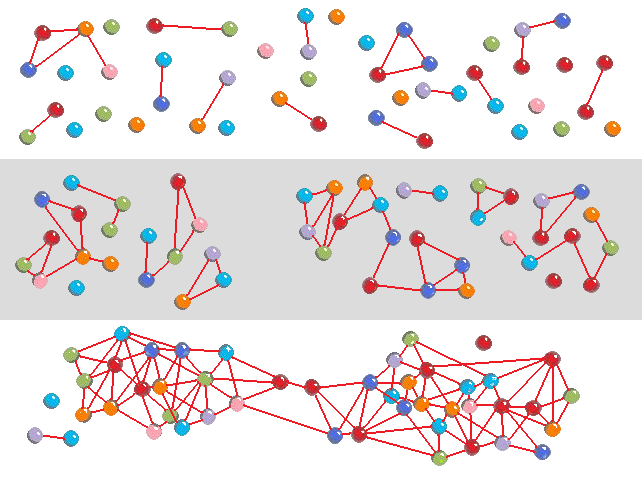
1. Seed Phase: A network begins with a small group of committed individuals united by a shared purpose. Trust is high, and communication is informal. The focus is on building relationships and defining a common agenda. Philanthropic support here is often flexible, providing the space for exploration and emergence.
2. Grow Phase: As the network gains momentum, it enters a growth phase. New members join, and the structure becomes slightly more formal to handle increased complexity. Sub-groups or project teams may form. The challenge here is to scale without losing the core culture and trust established in the seed phase. This is where and Coordinators become essential.
3. Sustain Phase: A mature network has established structures for governance, decision-making, and resource sharing. It can adapt to changing conditions and may even spawn new networks. The goal of philanthropic funding at this stage is to ensure the network's long-term resilience and impact, helping it become a self-sustaining ecosystem of change.
By understanding these design principles, roles, and life cycles, philanthropists can become more effective partners in tackling the world's most pressing challenges. They can help build robust, adaptive networks capable of generating solutions that are far greater than the sum of their parts.