PHAST Consequence Modeling
Introduction to Consequence Modeling
What If Things Go Wrong?
In large industrial facilities like chemical plants or refineries, a lot of effort goes into making sure accidents don't happen. But safety professionals still have to ask a critical question: if something does go wrong, what will the effects be? Answering this is the job of consequence modeling.
Think of it like a weather forecast for a potential accident. Instead of predicting rain or sun, consequence modeling predicts the physical effects of an incident, like how far a toxic cloud might travel or how intense a fire could be. It's a way to understand the potential impact on people, the environment, and the facility itself.
The goal is to map out the consequences of a potential failure before it ever occurs, turning abstract risks into concrete, understandable outcomes.
Industrial Hazards
Consequence modeling starts by identifying potential hazards. In an industrial setting, these usually fall into three main categories.
hazard
noun
A potential source of harm or adverse health effect on a person or persons.
Fires: These happen when a flammable material ignites. A common scenario is a pool fire, where a puddle of spilled flammable liquid catches fire. Another is a jet fire, which is like a giant blowtorch caused by ignited gas leaking from a pipe under high pressure.
Explosions: An explosion is a sudden, rapid release of energy. One of the most dangerous types is a Vapor Cloud Explosion (VCE). This occurs when a large cloud of flammable gas or vapor leaks, mixes with the air, and finds an ignition source. The resulting blast can be incredibly destructive.
Toxic Releases: Some accidents don't involve fire or explosions at all. Instead, they release a cloud of toxic or harmful gas, like ammonia or chlorine. These releases can be silent and invisible, and models help predict how the cloud will disperse in the atmosphere based on factors like wind speed and terrain.
From Models to Action
So, what's the point of creating these detailed predictions of doom and gloom? The results of consequence modeling are crucial inputs for two vital safety activities: risk assessment and emergency planning.
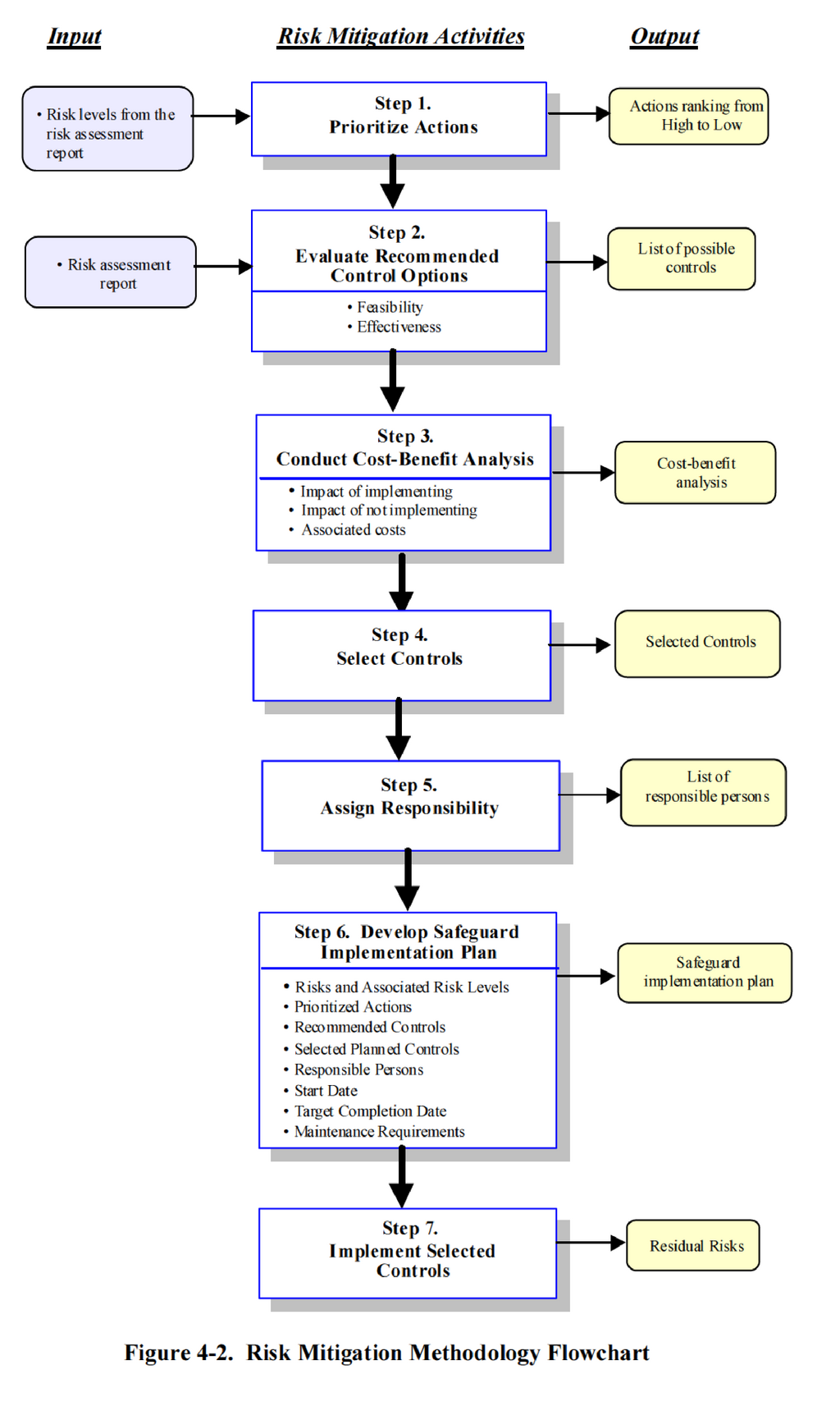
In risk assessment, engineers combine the consequences of an accident with its likelihood. An event might have catastrophic consequences, but if it's extremely unlikely to happen, the overall risk may be low. This analysis helps a company understand its biggest threats and prioritize where to spend money on safety improvements. For example, a model might show that a specific pipe failure could have a huge impact, leading the company to install a stronger pipe or an automatic shutoff valve.
For emergency planning, the models provide a realistic blueprint for a potential disaster. They help answer questions like:
- What areas of the plant need to be evacuated?
- Which nearby communities could be affected?
- Where should we place wind socks and gas detectors?
- What kind of protective gear will first responders need?
By running these simulations, planners can create effective, targeted response strategies that are based on science, not guesswork.
Now that you have an understanding of the basics, let's test your knowledge.
What is the primary purpose of consequence modeling in an industrial setting?
A large cloud of flammable vapor has leaked from a tank and is drifting across a facility. It then finds an ignition source. What is the most likely outcome?
By understanding the potential outcomes of accidents, industries can better prepare for them and, more importantly, take steps to prevent them from happening in the first place.