Phased Array Radar Fundamentals
Introduction to Radar
What Is Radar?
Radar is a system that uses radio waves to find objects and determine their location. The name itself is an acronym: RAdio Detection And Ranging. Think of it like shouting in a canyon and waiting for the echo. By listening for the returning sound, you can get a sense of how far away the canyon walls are. Radar does the same thing, but with invisible radio waves instead of sound.
At its core, a radar system has four main parts that work together.
The Transmitter creates the radio wave, the Antenna sends it out and listens for the echo, the Receiver detects and amplifies the faint returning wave, and the Display shows the information to a human operator.
How Radar Works
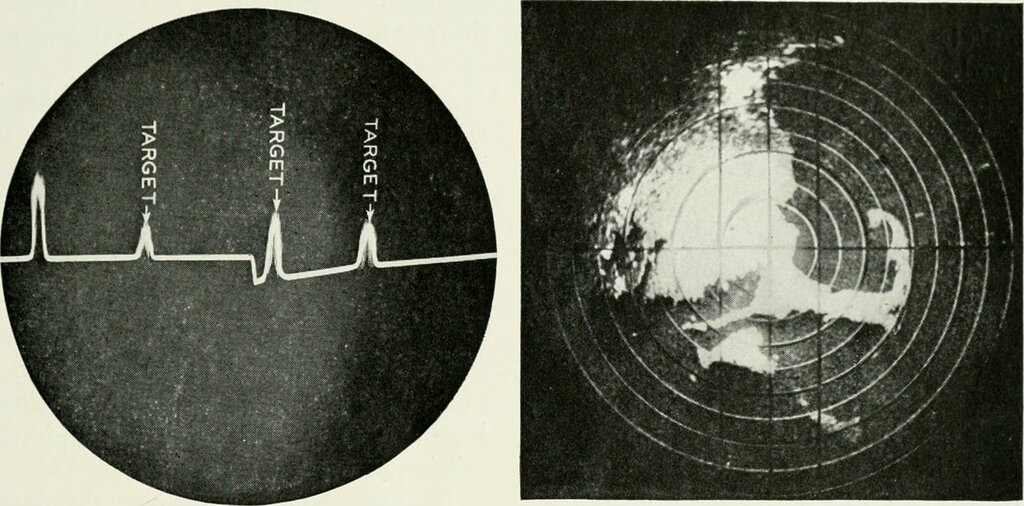
The process is straightforward. The transmitter generates a high-energy pulse of radio waves, which the antenna broadcasts in a specific direction. This wave travels at the speed of light until it hits an object, like an airplane or a raindrop.
A small fraction of that wave's energy bounces off the object and scatters in many directions. Some of it travels back toward the antenna, which now acts as a listener. The receiver picks up this faint echo.
Because we know the speed of radio waves (the speed of light), the system can calculate the distance to the object by measuring the time it took for the pulse to travel there and back.
Here, is the distance, is the speed of light, and is the time delay. We divide by two because the time measured includes the trip to the object and the trip back. We only want the one-way distance.
By noting the direction the antenna was pointing, the system knows the object's direction. The returning signal can also be analyzed to determine an object's size and even its speed, using a principle called the Doppler effect.
Types and Uses
Not all radar systems are the same. They are designed for different tasks and can be broadly grouped into two main types: Pulse Radar and Continuous Wave (CW) Radar.
Pulse Radar sends out short bursts of radio waves, then listens for the echoes. This is the classic type we've discussed, great for determining an object's range and direction. Continuous Wave Radar sends out a steady, unbroken signal. This type excels at measuring an object's speed but is generally not as good at determining its precise distance.
These different types lead to a huge variety of applications in our daily lives and beyond.
| Radar Type | Common Applications |
|---|---|
| Pulse Radar | Air traffic control, weather forecasting, airport surveillance |
| Continuous Wave (CW) Radar | Police speed guns, automatic door openers, medical monitoring |
| Synthetic Aperture Radar (SAR) | High-resolution mapping, geological surveys, military reconnaissance |
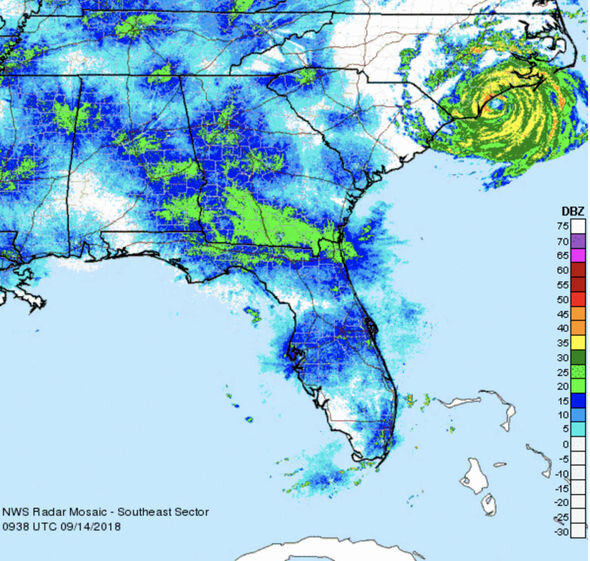
From helping pilots navigate through clouds to tracking distant storm systems and ensuring cars stay in their lanes, radar technology is a silent but crucial part of the modern world. Now, let's test your understanding of these core concepts.
What does the acronym RADAR stand for?
Which component of a radar system is responsible for both sending the radio wave and listening for its echo?
Understanding these basics provides a solid foundation for exploring more advanced systems, such as the phased array radars used in cutting-edge defense and communication technologies.