Pharmacy English for Confident Consultations
Medication Categories
Navigating the Chemist
Walk into any chemist, and you'll see shelves of products you can pick up yourself. These are known as over-the-counter, or OTC, medicines. They're for common ailments and are considered safe for self-selection when used as directed.
Then there's the area behind the pharmacy counter, known as the dispensary. This is where prescription-only medicines, or POMs, are kept. You can't access these without a valid prescription from a doctor or another qualified prescriber. This distinction is the most fundamental way medicines are organised.
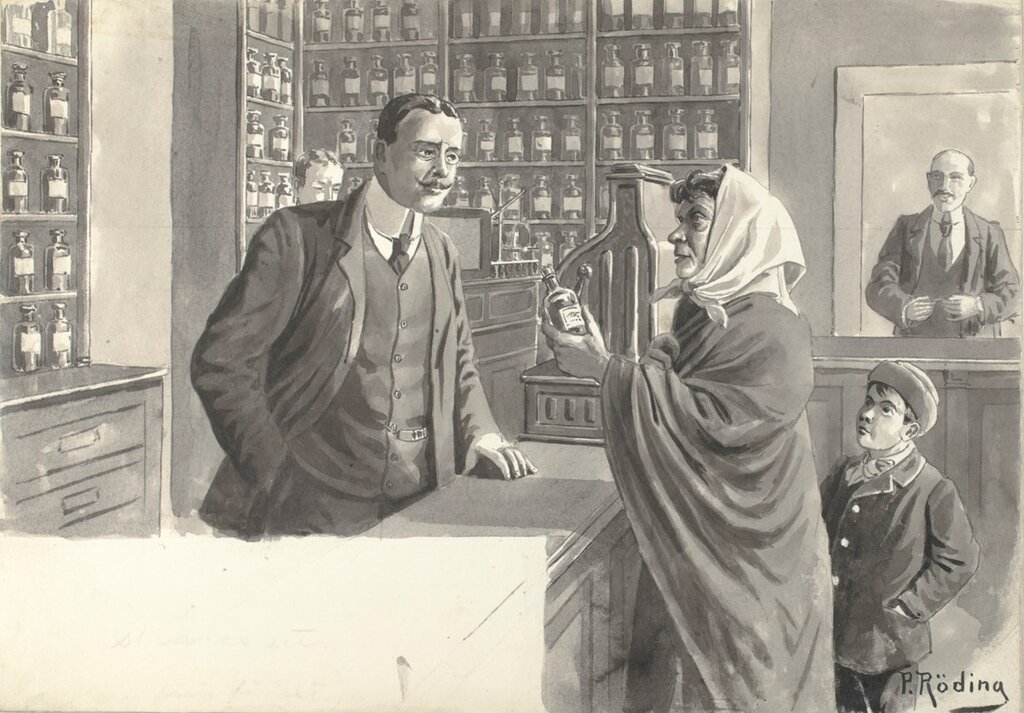
Beyond this basic split, drugs are further grouped by what they do. Understanding these categories helps you find what you need and communicate effectively with pharmacy staff. Instead of asking for a specific brand, you can ask for a type of medicine, like an analgesic for pain or an antihistamine for hay fever.
Pain, Fever, and Inflammation
One of the largest categories of OTC medicines is for pain and fever. These drugs often have multiple functions.
Analgesics are painkillers. They work by blocking pain signals to the brain.
Antipyretics are used to reduce fever. They act on the part of the brain that regulates body temperature.
Anti-inflammatories reduce inflammation, which is the body's response to injury or irritation that causes redness, swelling, and pain.
A common example is ibuprofen. It's an analgesic, an antipyretic, and also a non-steroidal anti-inflammatory drug (NSAID). This means it can relieve a headache, bring down a fever, and reduce swelling from a sprain.
Professional phrasing: "Could you direct me to the analgesics, please?" or "I'm looking for an anti-inflammatory for muscle pain."
Allergies and Colds
Seasonal allergies and common colds bring their own set of symptoms, and there are specific drug categories to manage them.
Antihistamine
noun
A type of drug that opposes the effects of histamine, a substance released during an allergic reaction.
When you have a cold, you might experience a blocked nose. This is where decongestants come in. They work by narrowing the blood vessels in your nose, which helps to reduce swelling and congestion. They're available as tablets, capsules, liquids, or nasal sprays.
Other Common Categories
Beyond the most common ailments, pharmacies stock a wide range of specialised treatments.
Gastrointestinal medications address issues with the digestive system. This includes antacids for indigestion, laxatives for constipation, and anti-diarrhoea medication.
For skin conditions, you'll look for topical treatments. These are applied directly to the skin. The category includes a variety of formulations:
- Creams: A mix of oil and water, easily absorbed.
- Ointments: Mostly oil-based, providing a barrier on the skin. They are greasier but offer more intense moisturisation.
- Gels: Water-based and non-greasy, often used for their cooling effect.
These products might contain active ingredients like hydrocortisone (a mild steroid to reduce inflammation) or antiseptics (to prevent infection).
| Category | Function | Common Examples |
|---|---|---|
| Analgesic | Relieves pain | Paracetamol, Ibuprofen |
| Antipyretic | Reduces fever | Paracetamol, Aspirin |
| Anti-inflammatory | Reduces swelling | Ibuprofen, Diclofenac gel |
| Antihistamine | Manages allergies | Cetirizine, Loratadine |
| Decongestant | Clears a blocked nose | Pseudoephedrine, Xylometazoline |
| Gastrointestinal | Treats digestive issues | Gaviscon (antacid), Senokot (laxative) |
| Topical | Applied to the skin | Hydrocortisone cream, Savlon (antiseptic) |
Knowing these terms allows for clearer conversations and helps you navigate the pharmacy with confidence.