Pharmacological Management of Hypertension Risk Factors
RAAS Pathophysiology
The Body's Pressure Regulator
The body’s long-term blood pressure control is managed by a sophisticated hormonal cascade: the Renin-Angiotensin-Aldosterone System (RAAS). This system kicks into gear when the kidneys sense a drop in blood pressure or fluid volume. Specialized cells in the afferent arterioles of the kidney, acting as mechanoreceptors, detect this reduced stretch. Other triggers include low sodium levels in the distal tubule or direct stimulation by the sympathetic nervous system.
In response, these cells release an enzyme called renin into the bloodstream. This is the first critical step. Conditions like renal artery stenosis, where the artery supplying the kidney is narrowed, create a constant false signal of low systemic blood pressure, leading to chronic renin release and persistent hypertension.
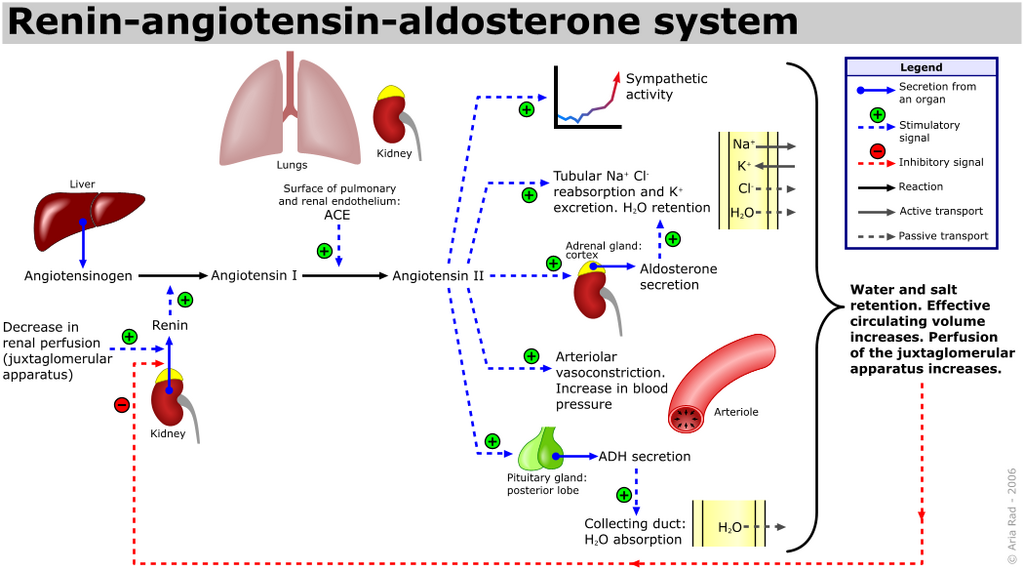
Once in circulation, renin acts on a protein produced by the liver called angiotensinogen, cleaving it to form angiotensin I. This molecule is relatively inactive on its own. Its true potential is unlocked in the next step, primarily as it passes through the lungs.
Here, another enzyme, , found on the surface of pulmonary and renal endothelial cells, converts angiotensin I into the potent vasoconstrictor, angiotensin II. This is the central actor in the RAAS cascade, exerting powerful effects throughout the body to raise blood pressure.
Angiotensin II and Its Effects
Angiotensin II exerts its effects by binding to specific receptors. The two main subtypes are AT1 and AT2. The vast majority of angiotensin II's well-known physiological effects are mediated through the AT1 receptor.
Binding to AT1 receptors on vascular smooth muscle causes immediate and powerful vasoconstriction, which directly increases systemic vascular resistance and blood pressure. It also stimulates the adrenal cortex to release aldosterone, promotes sodium reabsorption in the proximal tubules of the kidney, and stimulates the release of antidiuretic hormone (ADH) from the pituitary gland. All these actions work in concert to increase blood volume and pressure.
Chronically elevated levels of angiotensin II also have detrimental long-term effects. It acts as a growth factor, contributing to cardiac hypertrophy and remodeling of blood vessels, which can lead to target organ damage like heart failure and kidney disease.
Chronic RAAS activation drives pathological changes in the heart, blood vessels, and kidneys, transforming a short-term survival mechanism into a long-term source of disease.
The final hormonal player in this system is aldosterone, a mineralocorticoid steroid hormone. Triggered by angiotensin II and high potassium levels, aldosterone acts on the distal tubules and collecting ducts of the kidneys. It promotes the reabsorption of sodium and, by extension, water into the bloodstream, while simultaneously promoting the excretion of potassium. This increases extracellular fluid volume, which in turn boosts cardiac output and arterial blood pressure.
Pharmacological Intervention
Understanding the RAAS cascade provides a clear roadmap for therapeutic intervention. Two major classes of drugs directly target this pathway: ACE inhibitors and Angiotensin II Receptor Blockers (ARBs).
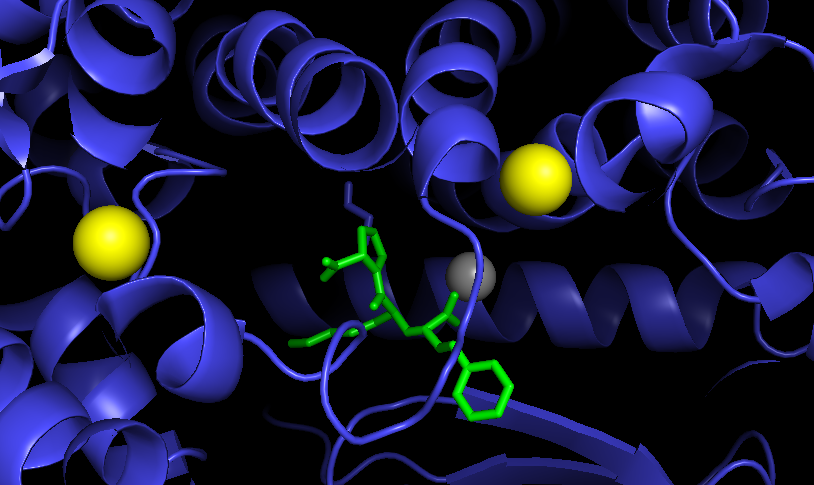
ACE inhibitors, with names ending in "-pril" (like lisinopril), work by blocking the Angiotensin-Converting Enzyme. This prevents the conversion of angiotensin I to the active angiotensin II. The result is reduced vasoconstriction, lower aldosterone secretion, and a decrease in blood pressure. As a secondary effect, they also prevent the breakdown of , a vasodilator, which further helps lower blood pressure.
Angiotensin II Receptor Blockers (ARBs), with names ending in "-sartan" (like losartan), work a step further down the cascade. They don't stop the production of angiotensin II; instead, they selectively block its ability to bind to the AT1 receptor. This prevents angiotensin II from exerting its harmful effects, such as vasoconstriction and aldosterone release.
Because ARBs do not affect the ACE enzyme directly, they do not lead to an accumulation of bradykinin. This means they are less likely to cause the characteristic dry cough associated with ACE inhibitors, making them a valuable alternative for patients who can't tolerate it. By targeting the RAAS pathway, both drug classes effectively reduce blood pressure and protect organs from the damaging effects of chronic activation.
Intervention in the renin-angiotensin-aldosterone-system (RAAS) is associated with slowing the progressive loss of renal function.
Now, let's test your understanding of this critical system.
What is the initial enzyme released by the kidneys in response to low blood pressure, kicking off the RAAS cascade?
What is the direct function of Angiotensin-Converting Enzyme (ACE)?
The RAAS is a powerful and elegant system for regulating blood pressure, but its chronic over-activation is a central mechanism in the development of hypertension and its complications. Targeting this pathway is a cornerstone of modern cardiovascular medicine.