Pharmaceutical Sales Force Effectiveness
Dynamic Physician Targeting
Beyond Prescription Volume
For years, the pharmaceutical industry relied on a straightforward method for targeting physicians: deciling. This practice ranks doctors based on their prescription volume for a particular drug or drug class. A doctor in the 10th decile is a top prescriber; one in the 1st decile barely writes any scripts. It's simple, but it's also a blunt instrument.
This volume-based approach fails to capture the 'why' behind the numbers. It doesn't distinguish between a physician treating a large, stable patient population with an older drug and one who is actively seeking new treatments for complex cases. The future of physician targeting lies in shifting focus from 'high-volume' to 'high-potential' prescribers. This requires a patient-centric view, analysing the entire patient journey to understand the triggers that lead to treatment decisions.
Understanding physician readiness to adopt a new behavior (prescribing a new drug), recognizing barriers that may prevent the physicians from prescribing the promoted drug can make the adoption process much more effective.
Harnessing Real-World Data
The key to unlocking this deeper understanding is (RWD). This isn't data from controlled clinical trials, but information gathered during routine clinical practice. By integrating disparate data sources, a much richer profile of a healthcare professional (HCP) emerges.
Anonymised Electronic Medical Records (EMR) show diagnostic notes and treatment pathways. Claims data reveals which drugs are being prescribed and reimbursed for which conditions. Lab data provides specific biomarker information that can indicate disease severity or progression. Together, these sources allow companies to see not just what a physician prescribes, but for which types of patients and at what stage of their disease.
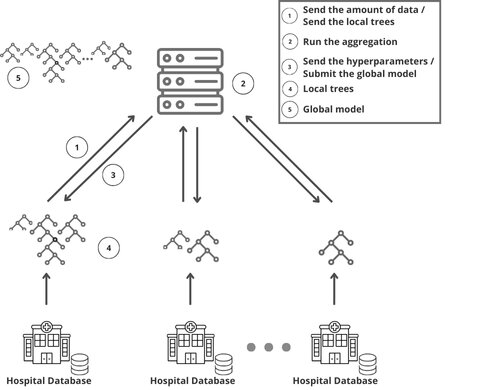
This granular view helps identify physicians who are treating the exact patient population a new therapy is designed for. A doctor might be a low-volume prescriber in a general category but could be a leading specialist for a rare subtype of a disease, making them a high-potential target for a niche drug.
Predicting Physician Behaviour
Simply having the data isn't enough. Machine Learning (ML) models are now used to sift through these massive datasets to predict future behaviour. These models can identify physicians who are on the cusp of a 'prescribing transition'. For instance, an ML algorithm might flag a doctor who is treating a growing number of patients failing on a first-line therapy, signalling a readiness to adopt a new, second-line treatment.
In new therapeutic areas with limited historical data, 'look-alike' modelling is particularly powerful. If a company identifies a small group of early adopters for its new drug, it can build a model to find other physicians across the country who share similar characteristics in terms of patient mix, treatment patterns, and professional networks. This helps focus marketing efforts on HCPs who are statistically most likely to be receptive.
This approach also helps in identifying influencers and (KOLs) more effectively. Instead of just looking at publication records, data can reveal physicians whose treatment decisions are emulated by others in their network, marking them as true practical influencers.
This evolution marks a shift from static to dynamic segmentation. A physician is no longer placed in a fixed box based on past behaviour. Instead, they are part of a dynamic system where their classification and potential can change in real-time based on new data triggers.
Ready to test your knowledge? Let's see what you've learned about modern physician targeting.
What is the primary limitation of the traditional 'deciling' method for physician targeting?
Modern physician targeting aims to shift focus from 'high-volume' prescribers to '_______' prescribers.
By moving beyond simple volume metrics and embracing a data-driven, patient-centric approach, pharmaceutical marketing becomes more efficient and effective, ensuring that innovative treatments reach the physicians and patients who need them most.