Pharmaceutical Sales Essentials
Pharmaceutical Industry Overview
The Pharmaceutical Ecosystem
The pharmaceutical industry isn't a single entity but a complex network of organizations working together to bring medicines to people. This ecosystem includes a few main types of players, each with a specific role in the journey from the lab to the pharmacy shelf.
At the start of the chain are the manufacturers. These are the companies that research, develop, and produce drugs. They fall into a few categories:
- Big Pharma: These are large, global companies with massive research and development (R&D) budgets, like Pfizer or Johnson & Johnson. They typically focus on creating new, patented drugs.
- Biotechnology Companies: These firms, often smaller and more specialized, use biological systems—like living organisms or their components—to develop drugs and therapies. They are on the cutting edge of medical innovation.
- Generic Drug Manufacturers: Once the patent for a brand-name drug expires, these companies can produce and sell a chemically identical, lower-cost version. This increases access and drives down prices.
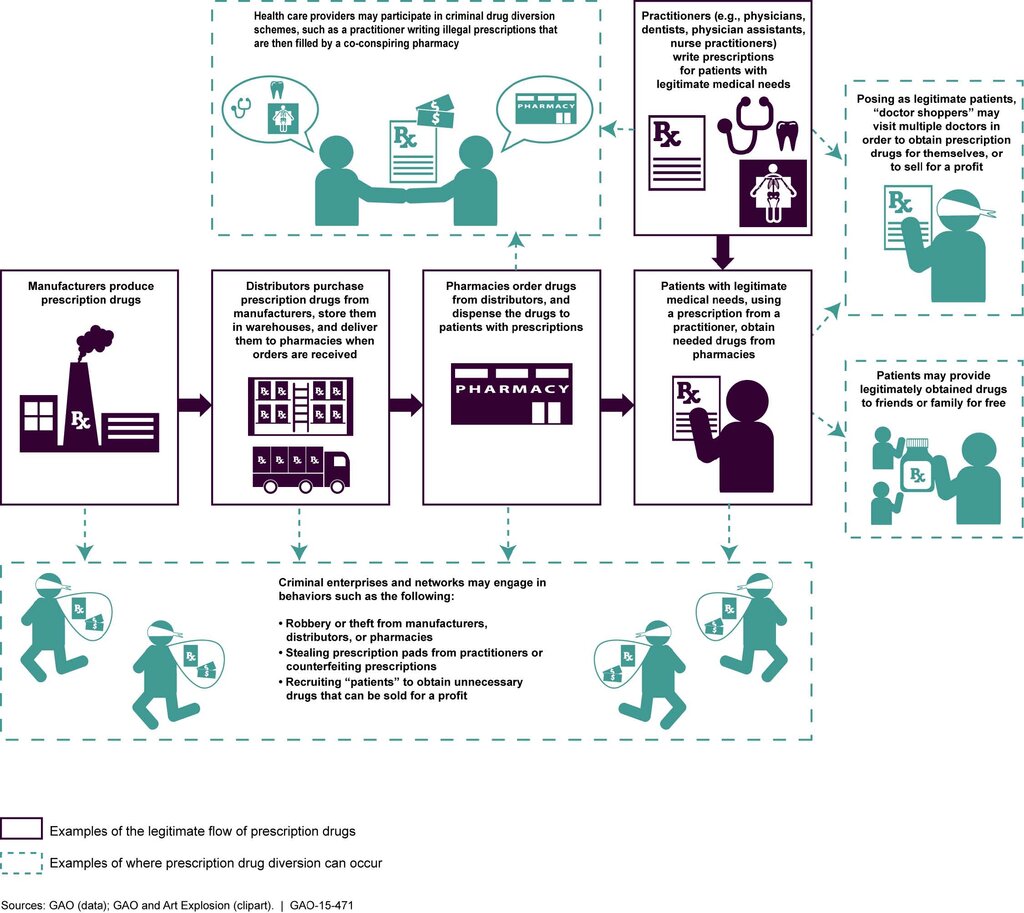
Once a drug is manufactured, it needs to reach patients. Distributors or wholesalers act as intermediaries, buying drugs in bulk from manufacturers and selling them to pharmacies and hospitals. Finally, pharmacies and other healthcare providers dispense the medication to patients. This entire supply chain is designed to ensure drugs are handled safely and delivered where they are needed.
Inside a Pharma Company
A pharmaceutical company is like a city with several distinct neighborhoods, each one essential for the city to function. These departments work together to guide a drug from a promising idea to a widely available treatment.
Here are the core functions:
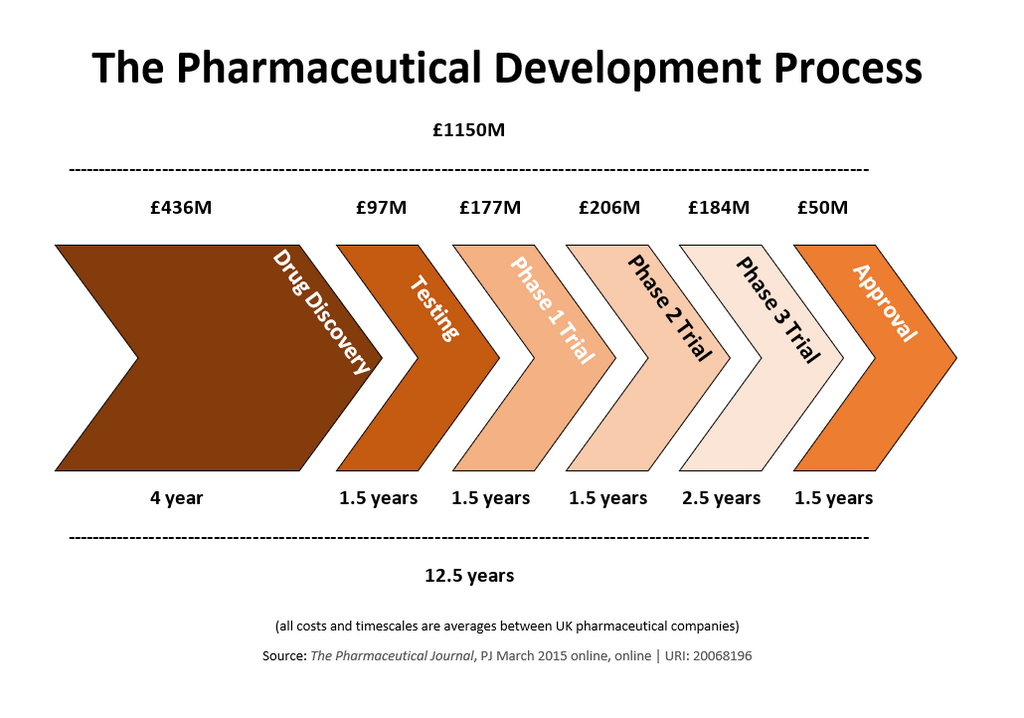
- Research & Development (R&D): This is the science engine. Teams here discover new compounds, test them in labs (pre-clinical), and then in humans (clinical trials) to prove they are safe and effective.
- Regulatory Affairs: This department is the crucial link between the company and government agencies like the Food and Drug Administration (FDA) in the U.S. They prepare all the data from clinical trials and submit it for approval, ensuring all legal and scientific standards are met.
- Manufacturing & Supply Chain: Once a drug is approved, this group takes over. They are responsible for producing the drug in large quantities, ensuring its quality, and managing the logistics to get it to distributors.
- Marketing & Sales: Their job is to educate healthcare professionals about the new drug—what it does, who it's for, and why it's a valuable treatment option. Sales representatives are the face of this department.
- Medical Affairs: This specialized team of medical experts provides deep scientific information about the product to doctors. They often bridge the gap between the R&D and commercial teams, answering complex clinical questions and presenting research at conferences.
What Fuels the Industry?
The global demand for pharmaceuticals is constantly growing, driven by several powerful trends. One of the biggest is demographics. People are living longer, and aging populations naturally have more health needs, particularly for managing chronic conditions like heart disease, diabetes, and arthritis.
Technological breakthroughs are another major driver. Advances in genomics and biotechnology are leading to personalized medicine—treatments tailored to an individual's genetic makeup. This opens the door for highly effective therapies for diseases that were once considered untreatable.
Finally, economic development plays a role. As incomes rise in developing nations, more people gain access to healthcare and modern medicines, expanding the global market for pharmaceutical products.
The Rules of the Game
The pharmaceutical industry is one of the most heavily regulated in the world, for good reason. The products it creates can have profound effects on people's lives, so governments establish strict rules to ensure safety and efficacy.
Government bodies like the FDA in the United States, the European Medicines Agency (EMA) in Europe, and others worldwide set the standards. They oversee every stage of a drug's life, from lab testing and clinical trials to manufacturing processes and even the marketing claims a company can make.
Another key external factor is intellectual property. Companies are granted patents for new drugs, which gives them exclusive rights to sell that drug for a set period. This allows them to recoup the massive investment—often billions of dollars—required for R&D. Once the patent expires, generic competition begins.
These external forces create a challenging but necessary framework, ensuring that the medicines we rely on are both innovative and trustworthy.
Navigating the complex landscape of pharmaceutical law is essential for the success and legality of drug marketing campaigns.
Let's review some of the key terms we've covered.
Now, check your understanding of the industry's structure and the forces that shape it.
Which department within a pharmaceutical company is primarily responsible for preparing and submitting clinical trial data to government agencies like the FDA for approval?
A small, specialized company develops a new therapy using living cells to target a rare genetic disorder. This company is most likely classified as a:
Understanding this ecosystem—from the key players to the internal departments and external pressures—is the first step to seeing how the pharmaceutical world works and the important role it plays in global health.