Pharmaceutical Product Management Strategy
Clinical Commercial Alignment
The Blueprint for a Successful Drug
A drug’s journey to market is long and expensive. Its commercial fate isn't sealed on launch day, but years earlier, during clinical development. The key to aligning scientific research with market success is a document called the Target Product Profile (TPP). Think of it as a strategic blueprint for a future medicine, created long before the product exists.
The TPP is a dynamic document that evolves with new data. It defines what the drug should look like to be competitive. It outlines the ideal characteristics, from the medical condition it will treat (the indication) to its dosage, administration method, and desired efficacy and safety outcomes. It's a collaborative effort, requiring input from R&D, regulatory affairs, and commercial teams.
Essentially, the TPP answers the question: What does this drug need to be to win in the market and make a difference for patients?
Here is a simplified example of what a TPP might include for a hypothetical new treatment for chronic migraines.
| Characteristic | Target Profile | Justification |
|---|---|---|
| Indication | Prevention of chronic migraine in adults | Addresses a high unmet need in a large patient population. |
| Dosage & Admin | 100 mg self-administered subcutaneous injection, once monthly | Offers improved convenience over daily oral medications. |
| Efficacy Endpoint | ≥ 50% reduction in monthly migraine days vs. placebo | A clinically meaningful outcome that payers will recognize. |
| Key Secondary Endpoint | Superiority vs. current standard of care on headache-free days | Creates a strong competitive claim for marketing. |
| Safety | No "black box" warning; side effect profile better than competitors | Critical for physician adoption and patient adherence. |
From Trial Data to Market Claims
Clinical trial endpoints are the specific results measured to see if a drug is safe and effective. While the primary endpoint is designed to satisfy regulators like the MHRA or EMA, the secondary endpoints are often where commercial value is built. These are the data points that will convince doctors to prescribe your drug and payers to reimburse it.
Pre-Launch Commercial Planning: Building the commercial strategy (including pricing, marketing, distribution, and salesforce) in parallel with clinical development ensures a smoother transition to the market once the drug is approved.
For instance, if your goal is to market a new cancer drug as offering a better patient experience, you must design the Phase III trial to measure that. This might mean including Quality of Life (QoL) questionnaires that track things like pain levels, fatigue, and the ability to perform daily activities. Without this data, you can't make the claim. Another powerful approach is a comparative effectiveness trial, where your drug is tested directly against the current standard of care. Proving superiority, not just efficacy against a placebo, is a powerful differentiator.
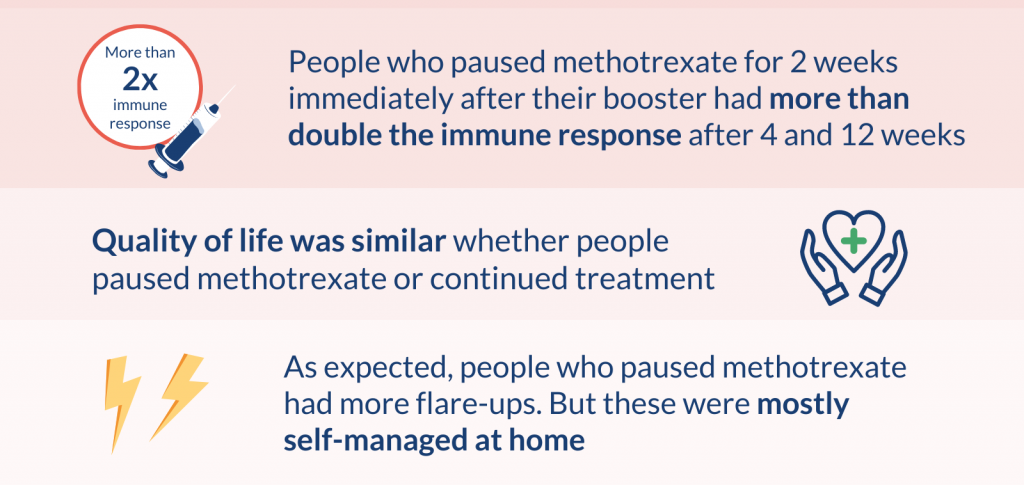
This is where clinical-commercial trade-offs happen. A trial designed to show superiority against a competitor is more expensive and riskier than a placebo-controlled trial. The commercial team might push for it, arguing it's necessary to capture market share. The clinical team might be more cautious, worried that the drug will fail to show a statistically significant benefit, jeopardising the entire programme. Balancing these perspectives is crucial.
Finding the Commercial Edge
The most successful drugs don't just work; they solve a problem that existing therapies don't. This is known as addressing an unmet medical need. A thorough assessment of the market landscape is essential to identify these gaps. It involves asking sharp questions:
Where do current treatments fall short? Are there patient subgroups that don't respond well? Are there significant side effects that limit use? Is the dosing schedule inconvenient?
The answer often lies in the drug's fundamental mechanism of action (MoA). If a drug works in a novel way, it may succeed where others have failed. For example, the first drug in a new class might offer hope to patients who have exhausted all other options. This unique MoA becomes the core of the commercial story, the scientific reason to believe in the product's value.
As a product manager, your role is to be the voice of the market within the R&D labs. You must influence trial design to ensure the data generated will support a strong, differentiated brand. This means championing endpoints that matter to patients and physicians, assessing the competitive landscape to pinpoint the drug's unique advantage, and ensuring the final product profile is not just clinically sound, but commercially compelling.
Now, let's test your understanding of how clinical and commercial strategies intertwine.
What is the primary purpose of a Target Product Profile (TPP) in drug development?
In a clinical trial, the primary endpoint is mainly designed to satisfy regulators, while secondary endpoints are often crucial for building commercial value.
Aligning what happens in the lab with what needs to happen in the market is a delicate but essential balancing act. Get it right, and you have a product that improves lives and achieves commercial success. Get it wrong, and even a brilliant piece of science can fail to make an impact.