Pharmaceutical Packaging Essentials
Introduction to Pharmaceutical Packaging
More Than Just a Box
When you pick up a prescription, the container it comes in might seem like an afterthought. But pharmaceutical packaging is a highly specialized field, crucial for ensuring a medication is both safe and effective. It's not just about holding pills; it's about protecting the medicine from the moment it's made until the moment you take it.
Think of it as a medicine's first line of defense. The right packaging preserves the drug's chemical stability, protects it from contamination, and ensures you get the correct dose. Without it, even the most effective drug could become useless or even harmful.
The Three Layers of Protection
Pharmaceutical packaging is organized into three distinct levels: primary, secondary, and tertiary. Each layer serves a specific purpose in the journey from the factory to the pharmacy shelf.
Primary packaging is the material that comes into direct contact with the drug itself. This includes blister packs, glass vials, bottles, and syringes. Because it touches the medicine, this layer must be made of materials that won't react with the drug or leach harmful substances into it.
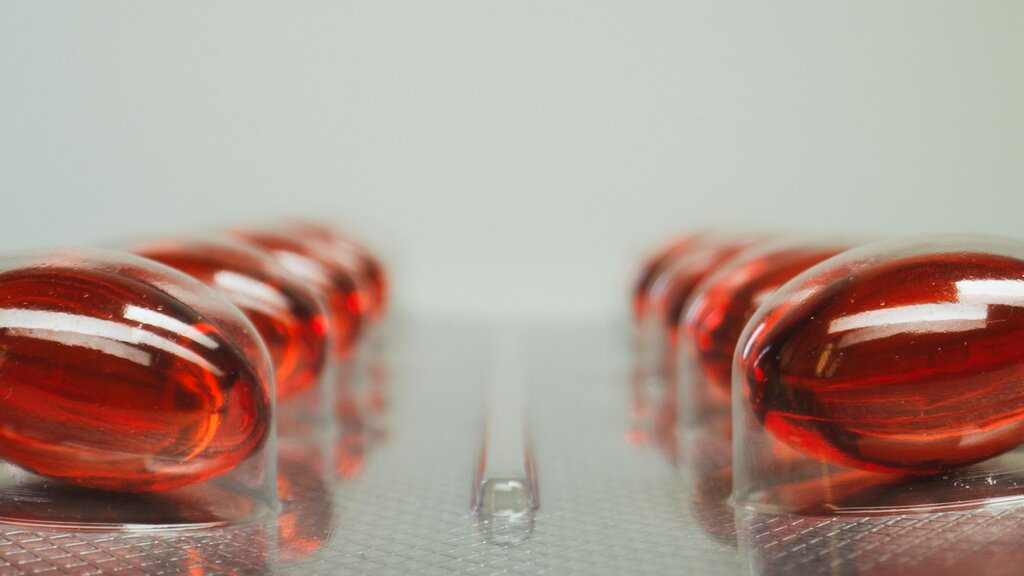
Secondary packaging is the next layer out. It groups one or more primary packages together. The cardboard box your blister pack comes in is a perfect example. This layer provides additional physical protection and, critically, is the main surface for printing important information like the drug’s name, dosage instructions, expiration date, and batch number.
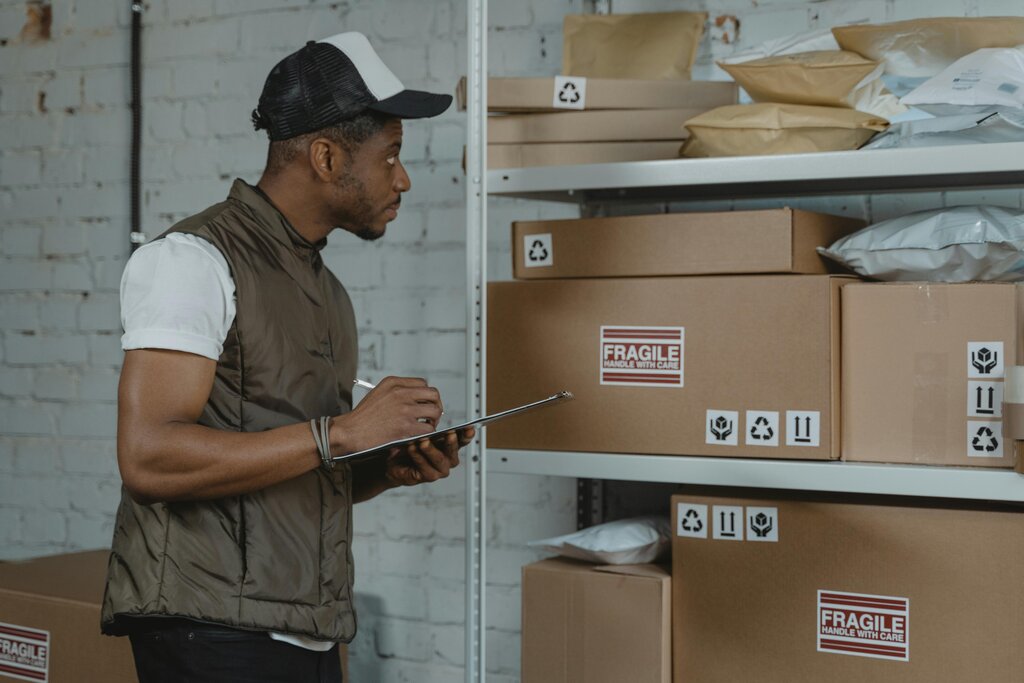
Tertiary packaging is used for bulk handling and shipping. Think of large cardboard cartons that are filled with smaller boxes of medicine. Its main job is to protect the product during transport and make it easy to move and store in a warehouse.
Choosing the Right Materials
The materials used for packaging are chosen carefully based on the drug's properties and how it needs to be protected. The most common choices are glass, plastic, and metal.
| Material | Common Uses | Advantages | Disadvantages |
|---|---|---|---|
| Glass | Vials, ampoules, bottles | Highly inert, excellent barrier, transparent | Fragile, heavy, more expensive |
| Plastic | Bottles, jars, blister packs | Lightweight, shatter-resistant, versatile, low cost | Can be permeable to gas, potential for leaching |
| Metal | Tubes (for ointments), foils (for blister packs) | Excellent barrier against light, moisture, and gas | Opaque, can be reactive with some products |
Glass is often the top choice for injectable drugs because it is chemically inert, meaning it won't react with its contents. Plastics are incredibly versatile and are used for everything from pill bottles to IV bags. Aluminum is the metal of choice, typically used as the foil backing on blister packs because it provides a perfect barrier to moisture and light.
Key Functions of Packaging
Beyond simply containing and protecting a drug, packaging performs several other vital roles.
Protection: This is the most critical function. Packaging shields the drug from environmental factors like light, moisture, oxygen, and microbial contamination that could degrade it and reduce its potency.
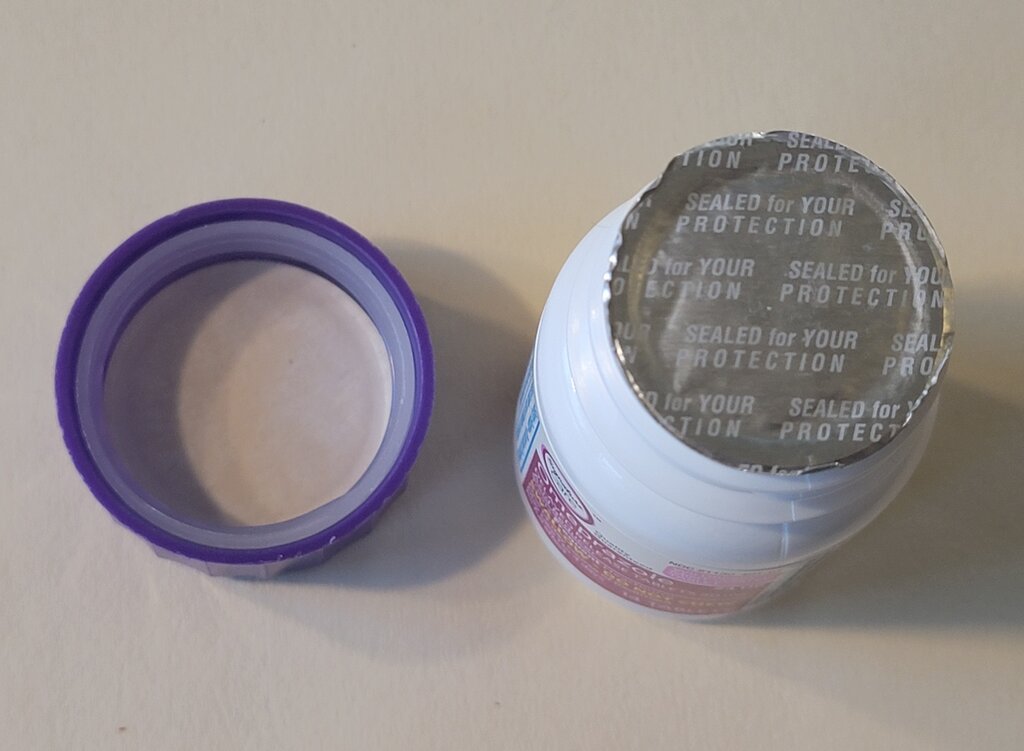
Compliance and Information: Good packaging helps ensure patients use medication correctly. Features like blister packs with the days of the week, dose counters on inhalers, and clear labeling all support patient compliance. The package is also the primary vehicle for communicating essential information, from dosage and warnings to storage instructions and expiration dates.
Time to review what you've learned about the fundamentals of pharmaceutical packaging.
A cardboard box containing a blister pack of pills is an example of which type of packaging?
Why is glass often the preferred material for injectable drugs?
Understanding these core principles of packaging—its layers, materials, and functions—is the first step in appreciating how a simple box or bottle plays a massive role in global health.