Pharmaceutical Marketing Strategy
Strategic Lifecycle Management
Beyond the Launch
The traditional view of a product lifecycle follows a simple arc: introduction, growth, maturity, and decline. In the pharmaceutical world, this arc is dominated by the patent. But savvy lifecycle management isn't about passively riding this wave. It's an active, strategic process that begins long before a drug ever reaches the pharmacy shelf. Effective Pharmaceutical Product Lifecycle Management (PLM) integrates clinical development, regulatory strategy, and commercial planning into a single, cohesive framework. The goal is to maximize a drug's value not just at its peak, but over its entire lifespan.
Effective LCM is not a reactive defense mounted in the final years of patent life. It is a proactive, integrated strategy that should ideally begin during the R&D phase, weaving together developmental, commercial, and legal initiatives into a coherent, long-term plan.
Think of it as the difference between letting a ship drift with the current versus actively navigating it through changing tides. This proactive approach requires a deep understanding of the market, the regulatory landscape, and the drug's own potential. It's about asking not just "How do we launch?" but "How do we sustain value for decades?"
Breathing New Life into a Molecule
One of the most powerful PLM strategies is finding new work for an old molecule. A drug approved for one condition might have mechanisms of action that make it useful for something entirely different. This is known as indication expansion or repurposing. Instead of starting from scratch, companies can leverage existing safety and manufacturing data, dramatically shortening the development timeline and reducing costs.
Closely related are so-called evergreening tactics. These are strategies designed to extend a drug’s market exclusivity, often by making incremental but meaningful improvements. This doesn't mean simply tweaking a formula to get a new patent. It's about delivering genuine new value to patients and physicians. For example, a drug that once required three pills a day might be reformulated into a more convenient once-daily dose. Or a therapy could be combined with another drug to create a more effective treatment. These aren't just market tricks; they are clinical advancements that also protect revenue streams.
| Tactic | Description | Strategic Goal |
|---|---|---|
| New Formulations | Developing an extended-release, liquid, or faster-dissolving version. | Improve patient compliance and convenience. |
| New Delivery Methods | Moving from an injection to a patch or an oral pill. | Reduce side effects, improve ease of use. |
| Combination Products | Combining two or more active ingredients into a single pill. | Offer a more effective or synergistic treatment. |
| Chiral Switching | Isolating a single, more effective isomer of a racemic drug. | Enhance efficacy and/or reduce side effects. |
Managing the Descent
All patents eventually expire. The moment a blockbuster drug loses exclusivity is known as the patent cliff—a term that vividly describes the steep drop in revenue as cheaper generic versions flood the market. Managing this period is one of the most critical challenges in pharmaceutical PLM. The goal is not to prevent the fall, which is inevitable, but to engineer a controlled descent.
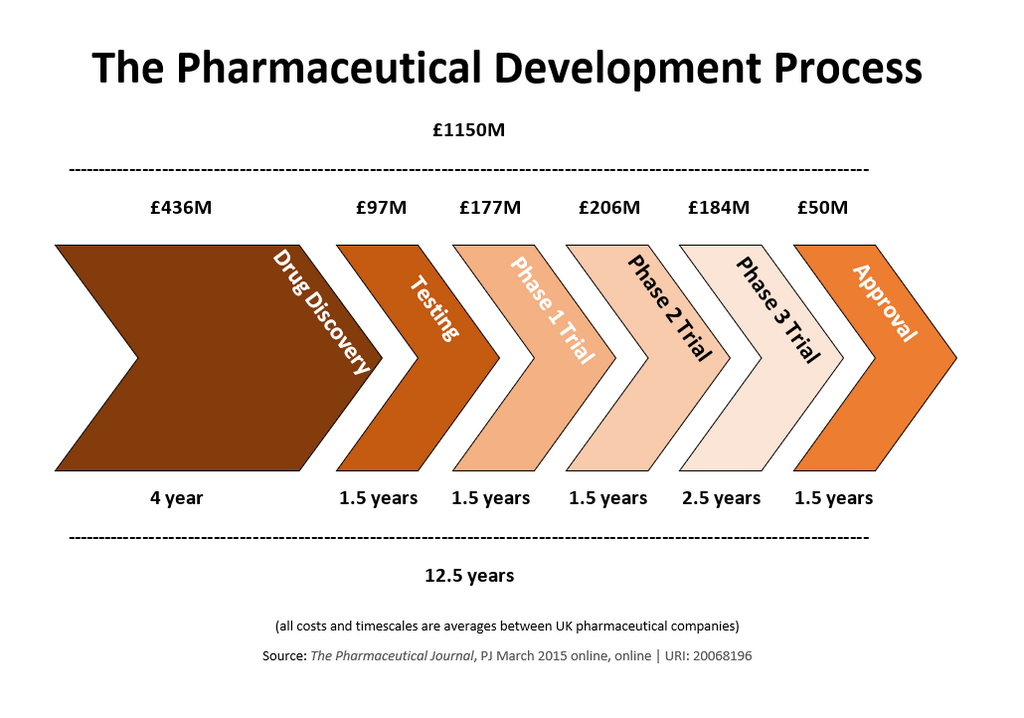
A key strategy is a managed transition to a successor product. Well before the original drug’s patent expires, the company should be developing its next-generation replacement. This could be a molecule with higher efficacy, a better safety profile, or a more convenient dosing regimen. The marketing and sales efforts then focus on migrating physicians and patients to the new product, transferring brand loyalty and market share before the original is lost to generics.
This value transference ensures that the company's therapeutic franchise—its leadership in a specific disease area—remains intact even as individual products come and go.
Other tactics for the descent include launching an authorized generic—a generic version of the drug produced by the brand-name company itself—to retain some market share, or focusing on over-the-counter (OTC) versions where applicable. Ultimately, a well-managed lifecycle doesn't end at the patent cliff. It transitions, leveraging the value and knowledge gained from one product to launch the next, ensuring the long-term health of the company and continued innovation for patients.
Let's test your understanding of these strategic concepts.
What is the central idea behind proactive Pharmaceutical Product Lifecycle Management (PLM)?
A pharmaceutical company reformulates a successful injectable drug into an easier-to-use oral pill. This is a classic example of what strategy?
By viewing the product lifecycle as a continuous, strategic process, pharmaceutical companies can turn the predictable challenge of patent expiration into an opportunity for sustained growth and innovation.