Pharmaceutical Inventory Management Systems
SKU Portfolio Optimization
Beyond Financial Metrics
In standard inventory management, you know that ABC analysis is a go-to tool. It segments products based on financial value, often following the 80/20 rule where 20% of items generate 80% of revenue. But in a clinical environment, this logic falls short. A low-cost, rarely-used drug could be the only thing that prevents a patient's death. A stockout isn't just a lost sale; it's a potential clinical crisis.
This is where SKU portfolio optimization in pharmaceuticals becomes a unique challenge. The goal isn't just to be lean, but to be lean and safe. It requires balancing financial efficiency with the non-negotiable demands of patient care. A hospital's inventory isn't just a collection of assets; it's an arsenal of therapies.
The Clinical Criticality Index
To address this, pharmacies use a more sophisticated metric: the Clinical Criticality Index (CCI). Instead of ranking SKUs by cost or sales volume, the CCI scores them based on their importance to patient outcomes. A drug's CCI is determined by a few key questions:
- Is it used for life-sustaining treatment?
- Are there readily available therapeutic alternatives?
- What is the clinical consequence of a stockout? (e.g., treatment delay, irreversible harm, or death).
For example, a common over-the-counter pain reliever might be an 'A' item in a classic ABC analysis due to high volume, but it would have a low CCI because many alternatives exist. Conversely, a specific anti-venom used once a year has negligible financial impact but an extremely high CCI. There are no substitutes, and its absence is fatal. This dual-axis thinking is crucial for building a resilient pharmacy inventory.
By plotting every drug on this matrix, you get a clear action plan. Items in the top-right are your bread and butter, essential both clinically and financially. Those in the bottom-right are your critical safety stock; they must be on hand no matter the cost or low turnover. Items in the top-left are prime candidates for optimization, while those in the bottom-left may be redundant and can be considered for removal from the hospital's altogether.
Trimming Therapeutic Duplicates
One of the most effective rationalization strategies is tackling therapeutic duplication. This occurs when a formulary includes multiple drugs that do the same thing, with no significant clinical difference between them. For instance, a hospital might stock five different proton-pump inhibitors for acid reflux, all with similar efficacy and safety profiles.
By analyzing usage and clinical data, a pharmacy can consolidate these five options down to one or two. This has several benefits:
- Reduced Inventory Costs: Less capital is tied up in redundant stock.
- Simplified Prescribing: Physicians have fewer, clearer choices, reducing confusion.
- Lower Risk of Errors: Staff become more familiar with a smaller set of drugs, reducing the chance of administration mistakes.
- Stronger Purchasing Power: Consolidating orders for a single drug often leads to better pricing from suppliers.
This process isn't about choosing the cheapest option. It's about selecting the most cost-effective drug that serves the majority of the patient population, while keeping a different option available for patients who may have allergies or adverse reactions to the primary choice.
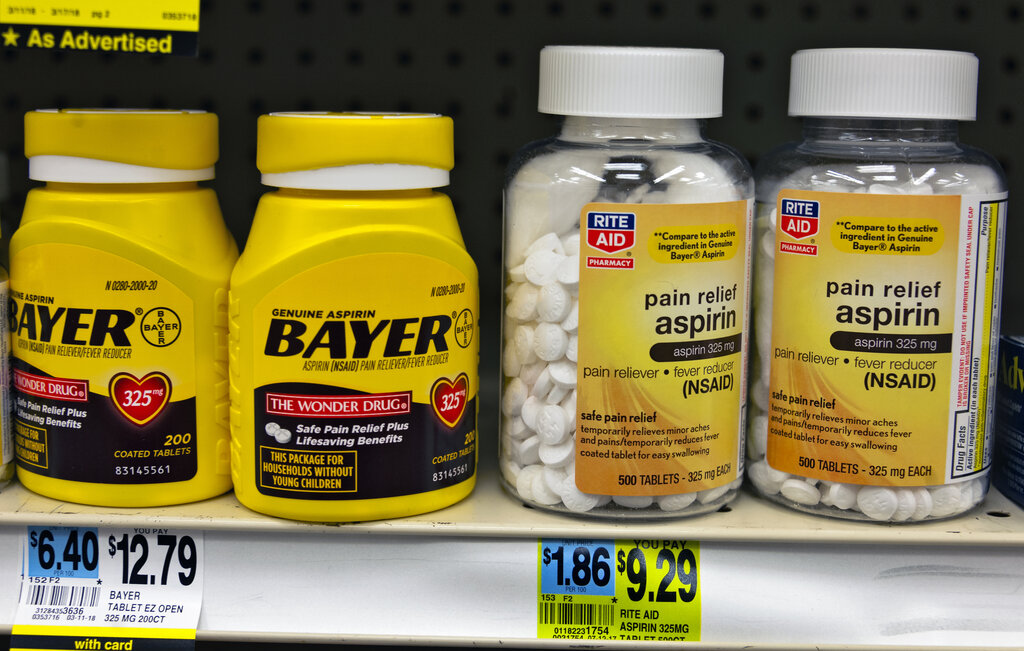
The final piece of the puzzle is managing the trade-off between specialty and generic drugs. Generic drugs are typically high-volume and low-cost, making their inventory management straightforward. Specialty drugs, however, are often the opposite: extremely high-cost, low-volume, and sometimes requiring special storage like refrigeration.
These are often the 'orphaned' SKUs—logistically burdensome but clinically essential. You can't simply stop stocking a life-saving but rarely used biologic. For these items, strategies shift from bulk ordering to just-in-time (JIT) delivery or consignment agreements with suppliers. The goal is to ensure access without holding expensive, slow-moving inventory that could expire before it's ever used. It's a delicate balance of risk, cost, and clinical necessity.
Real-time inventory management and data-driven decision-making are essential to prevent drug waste, ensure the availability of clinical trial supplies, and optimize supply chain solutions.
Now, let's test your understanding of these advanced inventory concepts.
Why is a standard ABC analysis, which segments inventory based on financial value, often insufficient for a hospital pharmacy?
Which of the following is the primary factor used to determine a drug's Clinical Criticality Index (CCI)?
Optimizing a pharmaceutical portfolio is a continuous process. By moving beyond simple financial analysis and incorporating clinical criticality, managers can build an inventory that is both efficient and robust enough to handle the life-or-death realities of patient care.