Pharmaceutical Business Fundamentals
Pharmaceutical Industry Overview
The Players in the Game
The pharmaceutical world isn't just one type of company. It's a mix of different players, each with a specific role. The most visible are the large, multinational corporations often called "Big Pharma." These are the companies that invest billions in research and development (R&D) to discover and create brand-new medicines. Think of names like Pfizer, Johnson & Johnson, and Roche. Their primary focus is on developing innovative, patented drugs to treat a wide range of conditions.
On the other side are the generic drug manufacturers. These companies produce affordable versions of brand-name drugs after their patents expire. Because they don't have to bear the massive initial R&D costs, they can sell their products for much less, increasing access to essential medicines for people around the world.
Generic Drug
noun
A medication that has the same active ingredient, dosage form, safety, strength, and route of administration as a brand-name drug. It is bioequivalent to the original drug but is typically sold at a lower price after the brand-name drug's patent expires.
Finally, there are biotechnology companies, often called "biotechs." These are typically smaller, research-intensive firms that focus on drugs derived from living organisms, known as biologics. They are often the source of cutting-edge innovation and are frequently acquired by larger pharmaceutical companies that want to expand their product pipelines.
Branded vs. Generic
The core difference between a branded and a generic drug comes down to a patent. When a company discovers a new drug, it files for a patent. This gives the company the exclusive right to manufacture and sell that drug for a set period, typically 20 years. This exclusivity allows them to recoup the immense costs of research, development, and clinical trials, which can often exceed $1 billion.
During this patent period, the drug is sold under a brand name, like Lipitor or Tylenol. Once the patent expires, the field opens up. Other companies can then produce and sell chemically identical versions, which we call generic drugs. They are often named after their active chemical ingredient, such as atorvastatin (generic Lipitor) or acetaminophen (generic Tylenol).
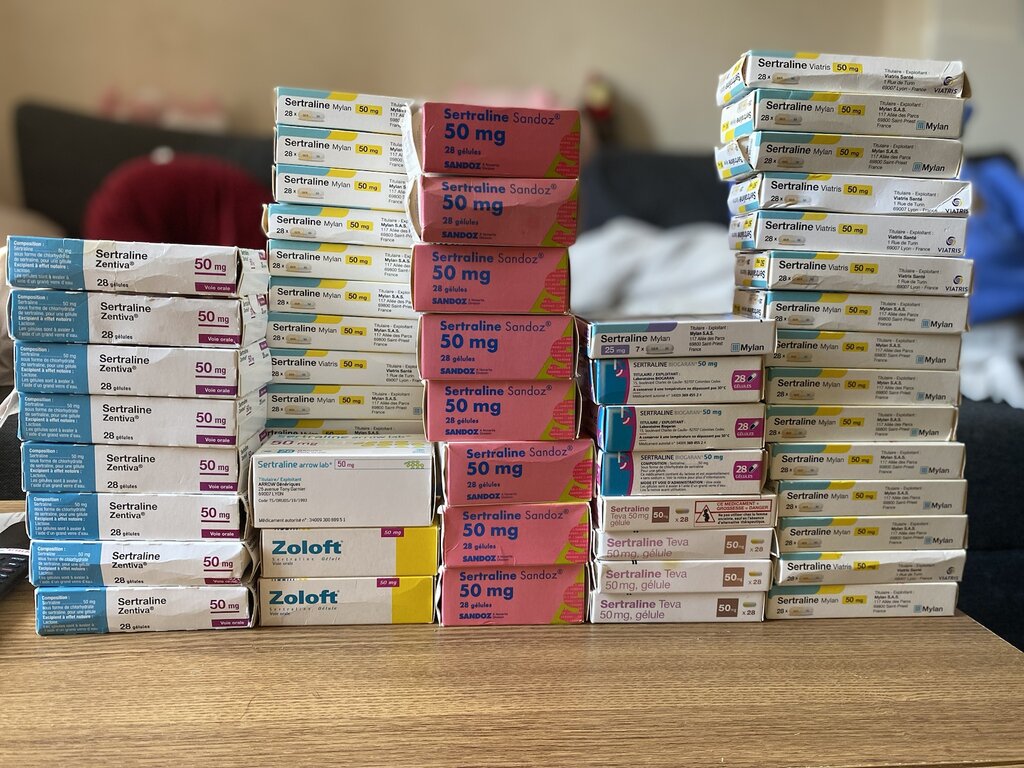
The competition from generics dramatically lowers prices. Here's a quick comparison:
| Feature | Branded Drug | Generic Drug |
|---|---|---|
| R&D Costs | Very high | Very low |
| Approval | Requires extensive clinical trials | Requires proof of bioequivalence |
| Marketing | Heavily marketed to doctors and patients | Minimal marketing |
| Price | High | Low |
The Global Referees
To ensure that all drugs—branded and generic—are safe and effective, governments have regulatory bodies that act as gatekeepers. These agencies review all the scientific data before a drug can be sold to the public and continue to monitor its safety afterward.
The goal of regulation is to protect public health by ensuring the quality, safety, and efficacy of medicines.
Two of the most influential regulatory agencies in the world are the U.S. Food and Drug Administration (FDA) and the European Medicines Agency (EMA). The FDA oversees the U.S. market, while the EMA is responsible for the scientific evaluation of medicines for the European Union.
Their decisions are highly respected and often set the standard for regulatory bodies in other countries. Getting approval from the FDA or EMA is a critical milestone for any pharmaceutical company wanting to launch a new product.
These agencies, along with companies big and small, form the complex ecosystem of the pharmaceutical industry, all working to bring new treatments from the lab to the pharmacy.