Pharma Clinical Trial Supply Chain Management
Introduction to Clinical Trials
What Are Clinical Trials?
Clinical trials are research studies that involve human volunteers. Their goal is to answer specific questions about new treatments, like vaccines, drugs, or medical devices. Think of it like a chef perfecting a new dish. They wouldn't add it to the menu without testing the ingredients, the cooking method, and having a few trusted people taste it first.
In medicine, the stakes are much higher. A clinical trial is the final and most important step in a long process of research to find out if a new medical approach is both safe and effective for people. These trials are the key to advancing healthcare, helping us find better ways to prevent, diagnose, and treat diseases.
Every medication in your medicine cabinet exists because it went through this rigorous testing process.
The Four Phases
Clinical trials don't happen all at once. They're broken down into a series of steps called phases. Each phase is designed to answer a different set of questions, and the trial can only proceed to the next phase if the previous one was successful. This step-by-step process helps ensure patient safety while gathering reliable data.
Phase I: This is the first time a new treatment is tested in humans. A very small group of healthy volunteers (or sometimes patients) participates. The main goals are to check for safety, determine a safe dosage range, and identify any side effects.
Phase II: If the treatment is found to be safe in Phase I, it moves to Phase II. This phase involves a larger group of people who have the condition the treatment is intended for. The focus here is on effectiveness: does the treatment work? Safety continues to be closely monitored.
Phase III: This is the big one. Phase III trials are large-scale studies involving thousands of participants. The goal is to confirm the treatment's effectiveness, monitor side effects, compare it to commonly used treatments, and collect information that will allow it to be used safely.
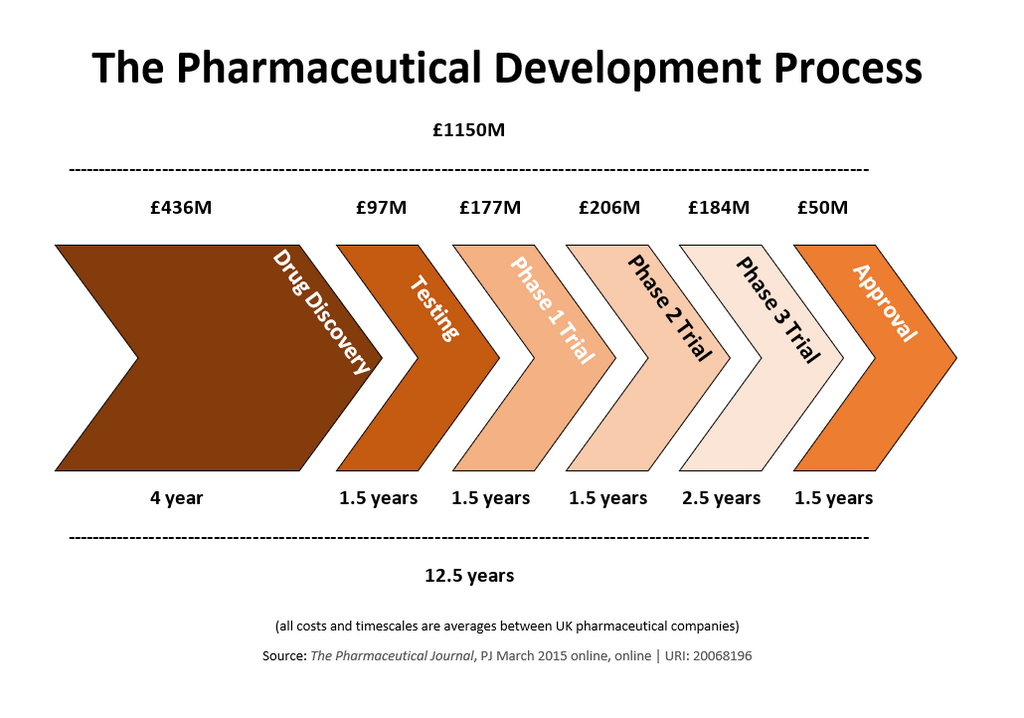
Phase IV: These studies happen after a treatment has been approved and is on the market. Also known as post-marketing surveillance, Phase IV trials track the treatment's safety and effectiveness in the general population over a longer period. This can help identify rare side effects that weren't seen in the earlier phases.
Who's in Charge?
Clinical trials are not a free-for-all. They are strictly regulated by government agencies that act as watchdogs for public health. In the United States, the main regulatory body is the Food and Drug Administration (FDA). In Europe, it's the European Medicines Agency (EMA).
These organizations don't conduct the trials themselves. Instead, they set the rules and review all the data collected by the pharmaceutical companies or research institutions. Before a new drug can be sold, the company must submit a mountain of evidence from its clinical trials to prove that the treatment is safe and effective for its intended use. These agencies also have the power to stop a trial at any point if it appears to be unsafe.
Regulatory bodies ensure that any new treatment reaching the public has benefits that outweigh its known risks.
Doing the Right Thing
Because clinical trials involve people, ethics are paramount. Several layers of protection are in place to safeguard the rights and well-being of participants.
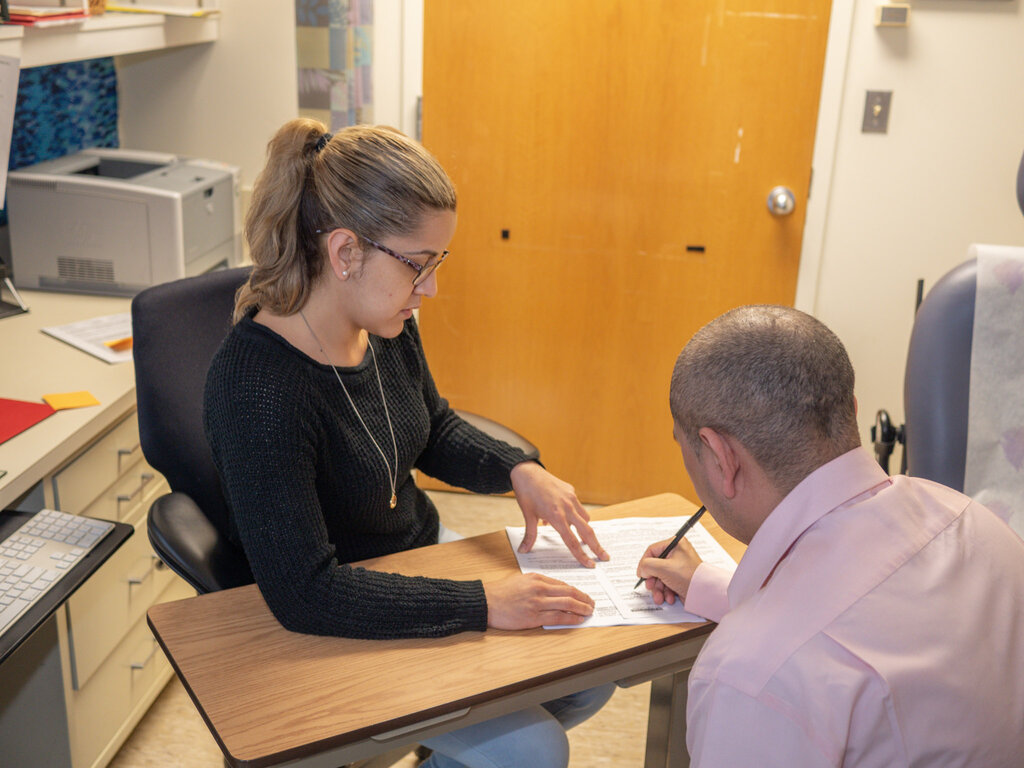
The cornerstone of ethical research is informed consent. Before anyone can participate in a trial, the research team must explain all the details of the study, including its purpose, procedures, potential risks, and potential benefits. Participants must be given the chance to ask questions and must voluntarily agree to participate. They also have the right to leave the study at any time, for any reason.
Additionally, every clinical trial in the U.S. must be approved and monitored by an Institutional Review Board (IRB). An IRB is an independent committee of physicians, statisticians, and community members who ensure that the trial is ethical and that the rights of participants are protected. This oversight provides an essential, unbiased check on the entire process.
What is the primary purpose of a Phase I clinical trial?
Which organization is the main regulatory body that oversees clinical trials and approves new drugs in the United States?