Phagocytes: The Body's Cellular Defenders
Innate Immunity Overview
Your First Line of Defense
Your body is constantly under siege from bacteria, viruses, and other potential invaders. Luckily, you're equipped with a built-in security system that works around the clock. This is the innate immune system, and it’s the defense you were born with.
Think of it as a fortress. It has high walls to keep enemies out and general guards who patrol the grounds. These guards don't need a specific description of the enemy; they're trained to recognize and eliminate anything that looks suspicious. The innate system is your body’s immediate, non-specific response to any potential threat.
The innate immune system provides the first line of defense against infection in a non-specific manner. This means it doesn't target one particular pathogen, but rather any foreign molecule it encounters.
The Outer Walls
Before an invader can cause trouble, it first has to get inside. Your body's most effective defenses are the physical barriers that prevent entry in the first place. The most obvious of these is your skin.
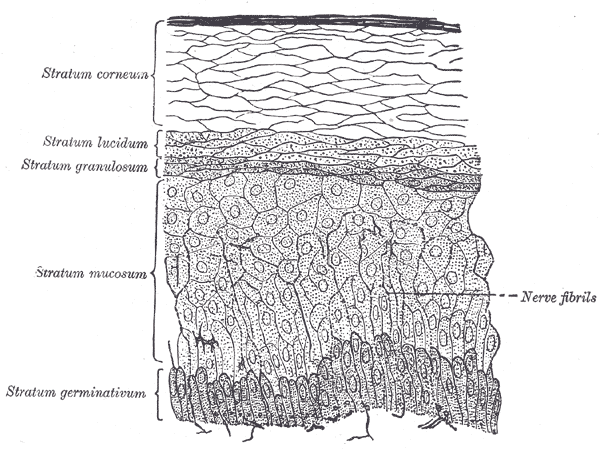
Skin is more than just a covering. It’s a multi-layered, waterproof shield. The outer layer is made of tightly packed dead cells, making it difficult for microbes to penetrate. The surface is also slightly acidic, which inhibits the growth of many pathogens.
Of course, not all of your body is covered in skin. Your respiratory tract, digestive system, and other internal pathways are potential entry points. These areas are protected by mucous membranes.
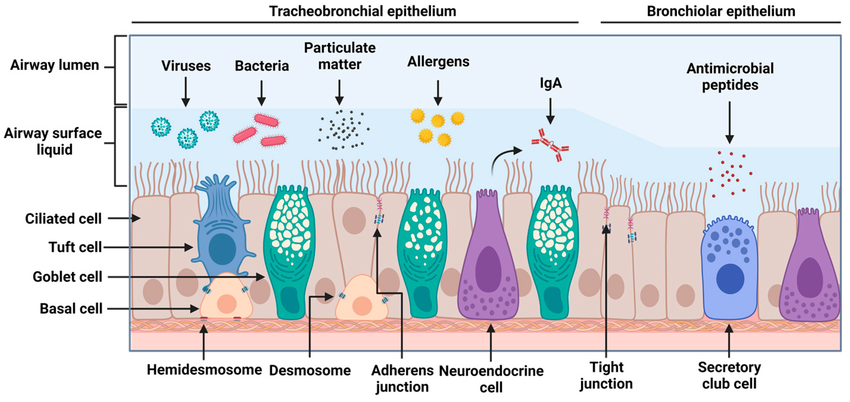
These membranes secrete a thick, sticky fluid called mucus. When you breathe in dust or germs, they get trapped in this mucus. In your airways, tiny hair-like structures called cilia constantly beat in an upward motion, sweeping the mucus—and its trapped invaders—up and out of your lungs, where you can cough it out or swallow it. Similarly, stomach acid provides a harsh chemical barrier for anything that gets swallowed.
Cellular Defenders
Sometimes, pathogens manage to breach the physical barriers, perhaps through a cut in the skin. When this happens, the next line of innate defense kicks in: a team of specialized cells that attack the intruders directly.
Phagocyte
noun
A type of immune cell that can engulf and digest foreign particles, such as bacteria and debris.
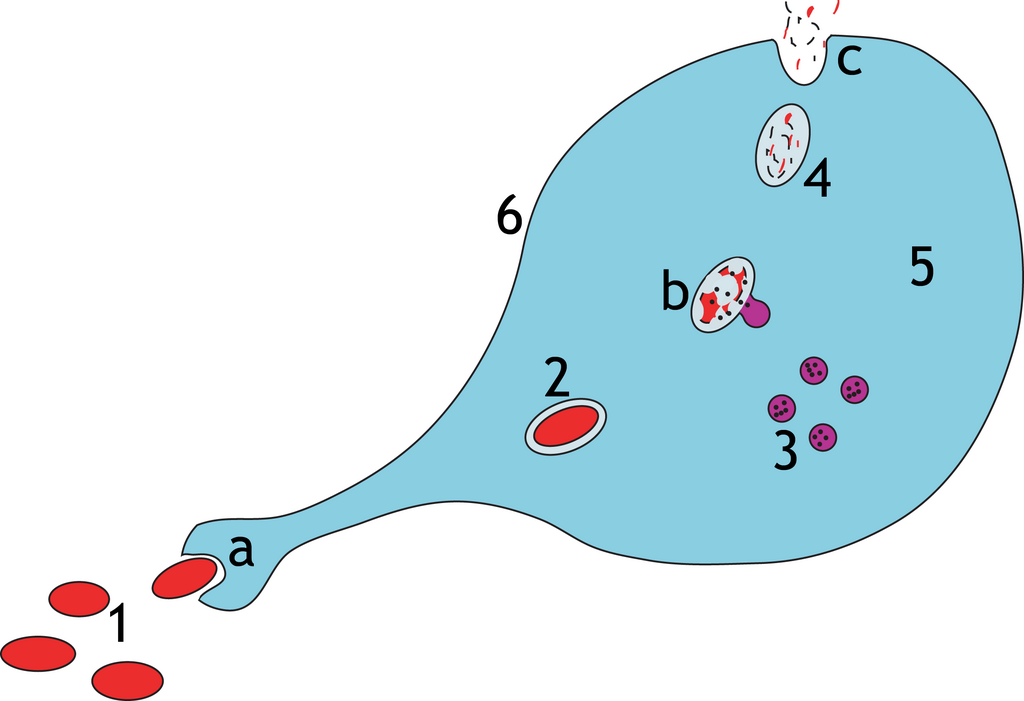
The primary cellular defenders are phagocytes, which literally means “eating cells.” Their main job is to perform phagocytosis: the process of surrounding, engulfing, and destroying invaders. The two main types of phagocytes in the innate immune system are neutrophils and macrophages.
- Neutrophils are the most abundant type of white blood cell and are usually the first to arrive at the scene of an infection. They are fast and effective killers, but they don't live long.
- Macrophages, or “big eaters,” are larger, longer-living cells. They not only destroy pathogens but also clean up dead cells and other debris, playing a crucial role in tissue repair.
Another important player is the natural killer (NK) cell. Unlike phagocytes, NK cells don't eat invaders. Instead, they patrol the body looking for our own cells that have become infected with viruses or have turned cancerous. When an NK cell finds a compromised cell, it forces it to self-destruct in a process called apoptosis, or programmed cell death. This prevents the infection or cancer from spreading.
Sounding the Alarm
When your innate cells encounter a threat, they don’t just fight it; they also release chemical signals that trigger inflammation. You’ve experienced this process anytime you’ve had a cut that becomes red, swollen, warm, and painful.
Inflammation might seem like a problem, but it’s actually a vital part of the immune response. Here’s what happens:
-
Increased Blood Flow: Chemicals released by damaged cells and immune cells cause blood vessels in the area to widen. This increases blood flow, bringing more immune cells and helpful proteins to the site. This is what causes the redness and warmth.
-
Increased Permeability: The walls of the blood vessels become more permeable, or leaky. This allows fluid and immune cells, like neutrophils and macrophages, to leave the bloodstream and enter the infected tissue to fight the invaders. This influx of fluid causes swelling, which can put pressure on nerves and cause pain.
While uncomfortable, inflammation is a sign that your innate immune system is doing its job. It isolates the damaged area, clears out pathogens and debris, and sets the stage for healing to begin.
What is the primary role of the innate immune system?
Which of the following is NOT a primary sign of inflammation?
The innate immune system is a powerful, multi-layered defense that protects you from countless threats every single day, often without you ever knowing it.