pH in Drinking Water Explained
Understanding pH
Acids and Bases
Some substances are acidic, like lemon juice, while others are basic, like baking soda. But what does that actually mean? It all comes down to tiny charged particles called hydrogen ions ().
In any water-based solution, some water molecules () naturally split apart into hydrogen ions () and hydroxide ions (). If a solution has more hydrogen ions than hydroxide ions, it's acidic. If it has fewer hydrogen ions, it's basic, or alkaline.
pH is simply a way to measure the concentration of these hydrogen ions on a convenient scale. The 'p' in pH stands for 'potential' or 'power', and the 'H' is for hydrogen.
This formula might look complex, but the main takeaway is the relationship: the higher the concentration of hydrogen ions , the lower the pH value.
The pH Scale
The pH scale typically runs from 0 to 14. A pH of 7 is considered neutral. Pure water sits right in the middle at 7. Anything below 7 is acidic, and anything above 7 is alkaline.
The scale is logarithmic, which is an important concept to grasp. This means that for each whole number you go down the scale, the acidity increases by a factor of 10. For example, a pH of 3 is ten times more acidic than a pH of 4, and one hundred times more acidic than a pH of 5.
This logarithmic nature means that even small changes in pH can represent significant shifts in acidity or alkalinity.
Why pH Matters
The pH level of a substance has a huge impact on the world around us. It can determine which chemical reactions will occur, how fast they'll happen, and what they will produce.
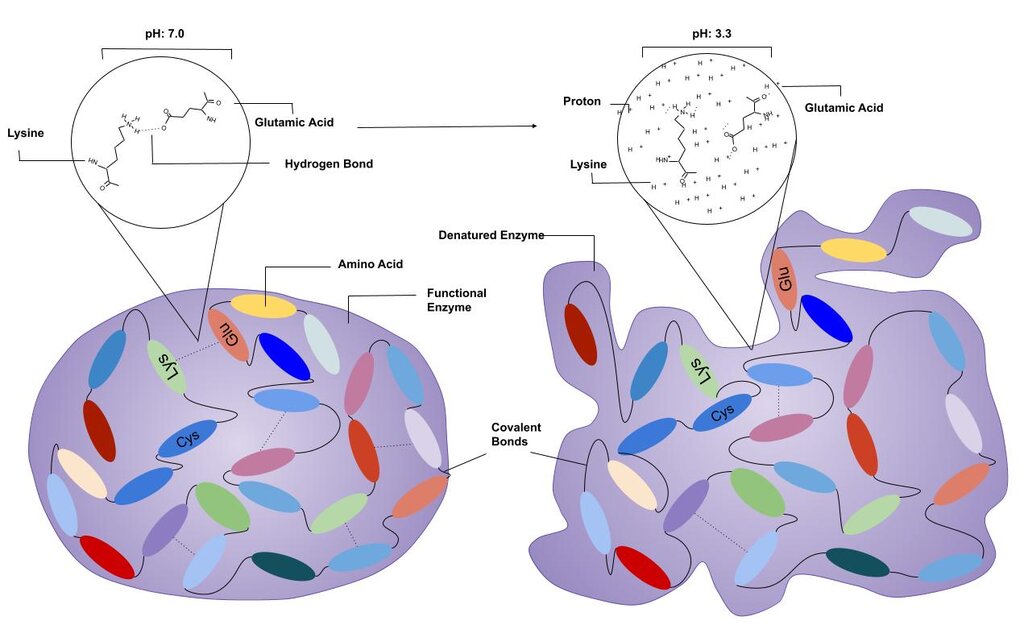
Living organisms are particularly sensitive to pH. Most life thrives in a narrow pH range. Our own blood, for example, must stay very close to a pH of 7.4. If it deviates too much, our body's essential functions can fail. This is because enzymes, the proteins that speed up chemical reactions in our cells, are shaped to work at a specific pH. If the environment becomes too acidic or too alkaline, the enzyme's shape changes and it stops working correctly, a process called denaturation.
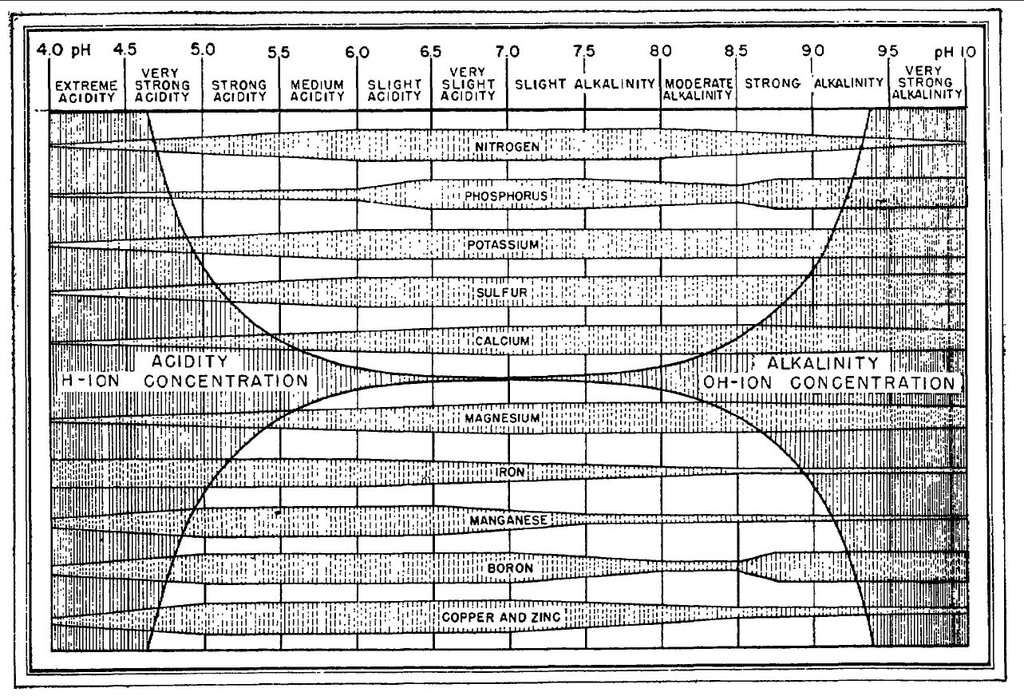
The environment is also deeply affected by pH. The pH of soil, for example, determines which nutrients are available for plants to absorb. Some plants prefer acidic soil, while others need alkaline conditions to thrive.
How We Measure pH
Since we can't see hydrogen ions, how do we measure pH? There are a few common methods.
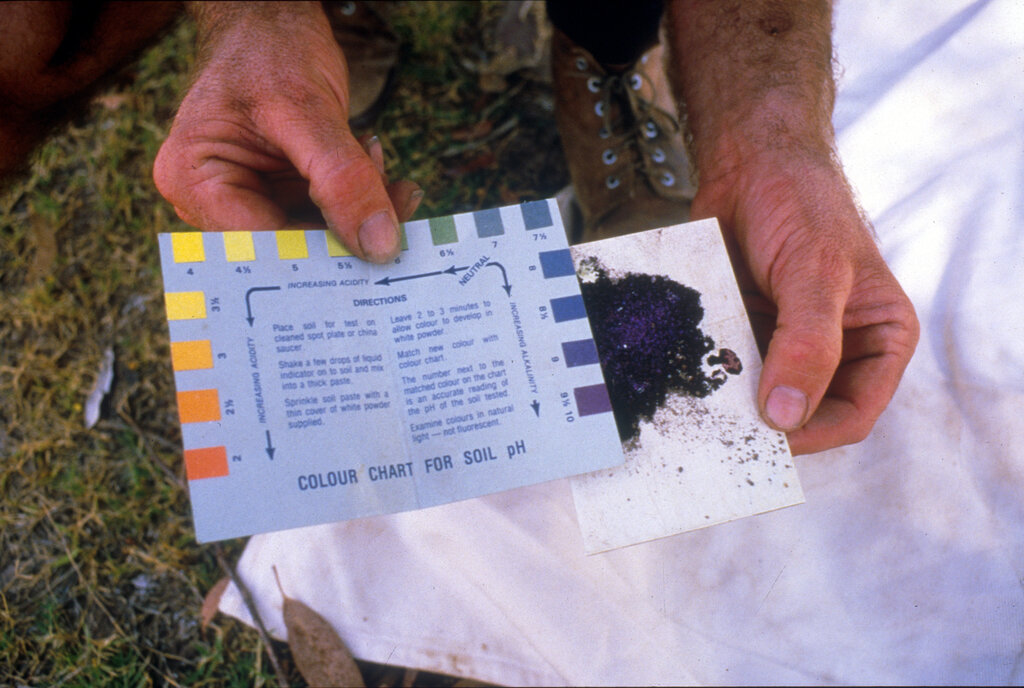
One of the simplest is using pH indicator strips, often called litmus paper. These paper strips are treated with chemicals that change color when exposed to acids or bases. You dip the paper in a solution, and the resulting color corresponds to a pH value on a provided chart.
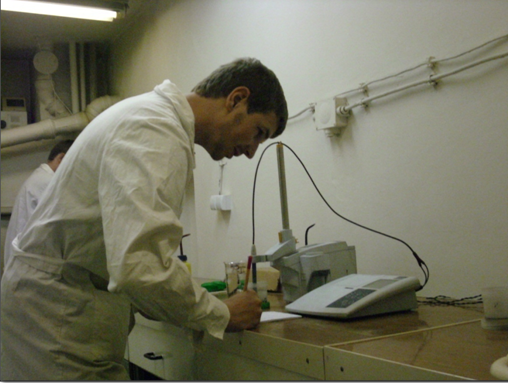
For more precise measurements, scientists use a digital pH meter. This device has an electrode that is placed in the solution. It measures the electrical potential generated by the hydrogen ions and displays an exact pH reading.
Finally, various factors can change the pH of a substance. Dissolving gases like carbon dioxide in water can make it more acidic. The type of rock and soil that water flows through can also add minerals that make it more alkaline. Temperature plays a role too, as it can affect how many water molecules split into ions.
A solution is considered acidic if it has...
Lemon juice has a pH of 2. Black coffee has a pH of 5. How much more acidic is lemon juice than black coffee?
Understanding pH is fundamental to chemistry and biology, explaining everything from why a lemon tastes sour to how plants get their food.