Petroleum Fundamentals
Petroleum Formation
A Recipe Millions of Years in the Making
Crude oil and natural gas, the substances we call petroleum, are not native to our planet. They are the transformed remains of ancient life. The story of their creation is a geological saga that unfolds over immense timescales, deep within the Earth's crust.
It all begins with tiny marine organisms, like algae and plankton. When these organisms died millions of years ago, they sank to the bottom of ancient oceans and lakes. In environments with low oxygen, their organic matter couldn't fully decompose. Instead, it mixed with mud and sand, forming an organic-rich sludge.
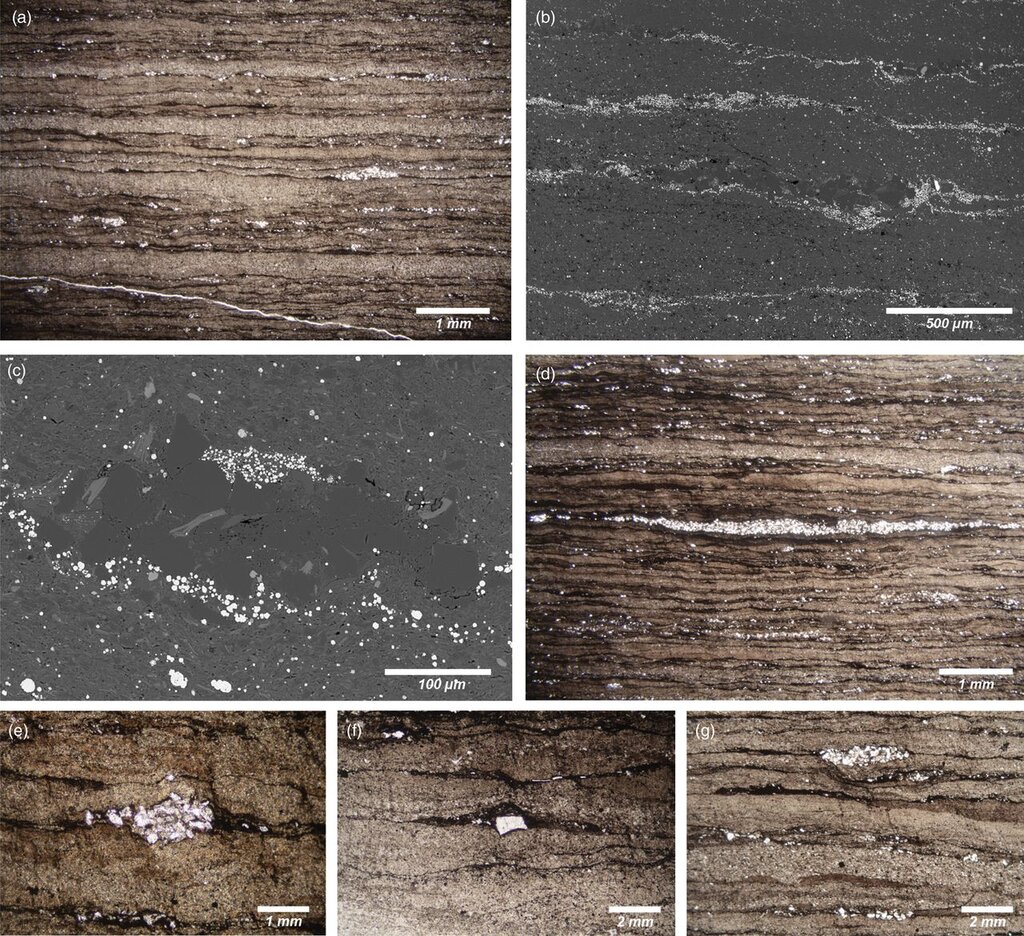
Over millions of years, layers of sediment piled on top of this sludge. The weight of these overlying layers created immense pressure, compacting the organic-rich mud into sedimentary rock. This special type of rock, known as source rock, is the birthplace of petroleum.
Think of it as a geological kitchen. The organic matter is the raw ingredient, and the source rock is the pot.
The Oil Window
As the source rock gets buried deeper, the temperature and pressure increase. This is where the cooking starts. The heat begins to break down the complex organic matter into a waxy substance.
Kerogen
noun
A solid, waxy mixture of organic chemical compounds found in sedimentary rocks. It is the precursor to liquid and gaseous hydrocarbons.
As burial continues, the source rock eventually enters a specific temperature range known as the “oil window,” typically between 65°C and 150°C. Within this window, the kerogen is thermally cracked, breaking down into the long chains of hydrogen and carbon atoms that make up crude oil.
If the temperature gets even hotter, beyond 150°C, the process continues. The long oil molecules are broken down further into much shorter, lighter molecules, forming natural gas. This higher temperature range is called the “gas window.”
Basins and Quality Control
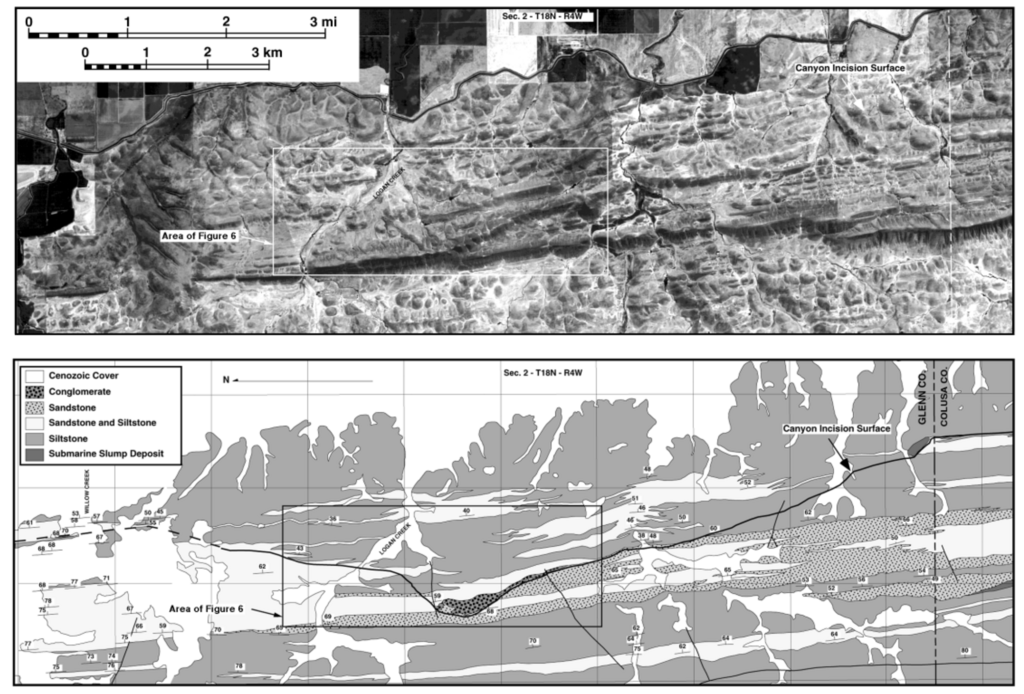
This entire process happens within vast geological depressions called sedimentary basins. These basins are ideal containers, as they slowly sink over time, allowing thick sequences of sediment to accumulate. Without a basin, the organic matter would never be buried deeply enough to reach the oil or gas windows.
But not all petroleum is created equal. The quality and quantity of the reserves depend on several factors:
| Factor | Impact on Petroleum |
|---|---|
| Organic Material | The type of original organic matter matters. Marine algae and plankton tend to produce lighter, higher-quality oil. Terrestrial plant matter often yields heavier oil or natural gas. |
| Temperature | The precise temperature and duration of "cooking" determine whether oil or gas is formed. Too little heat means no petroleum; too much destroys it. |
| Pressure | High pressure helps expel the newly formed oil and gas from the dense source rock, allowing it to migrate. |
| Time | The transformation of kerogen into petroleum is not instant. It requires millions of years at the right geological conditions. |
Once formed, the oil and gas are lighter than the water in the surrounding rock formations. This buoyancy forces them to migrate upwards through porous rock layers. Their journey only stops when they hit an impermeable layer of rock, called a caprock, which traps them in a reservoir. And it is from these reservoirs that we eventually extract them.
Let's test your understanding of how petroleum forms.
What is the primary source material for the formation of crude oil and natural gas?
The organic-rich sedimentary rock in which petroleum is generated is known as the ________.
Understanding this complex formation process is the first step for geologists searching for new energy resources.