Peter the Great's Reforms
Introduction to Peter the Great
The Young Tsar
Peter Romanov was born in 1672, the son of Tsar Alexis of Russia. He wasn't like other royal children. From a young age, he was fascinated by all things Western, especially military technology and shipbuilding. While other boys of his rank were deep in religious studies, Peter was playing with toy soldiers and learning carpentry.
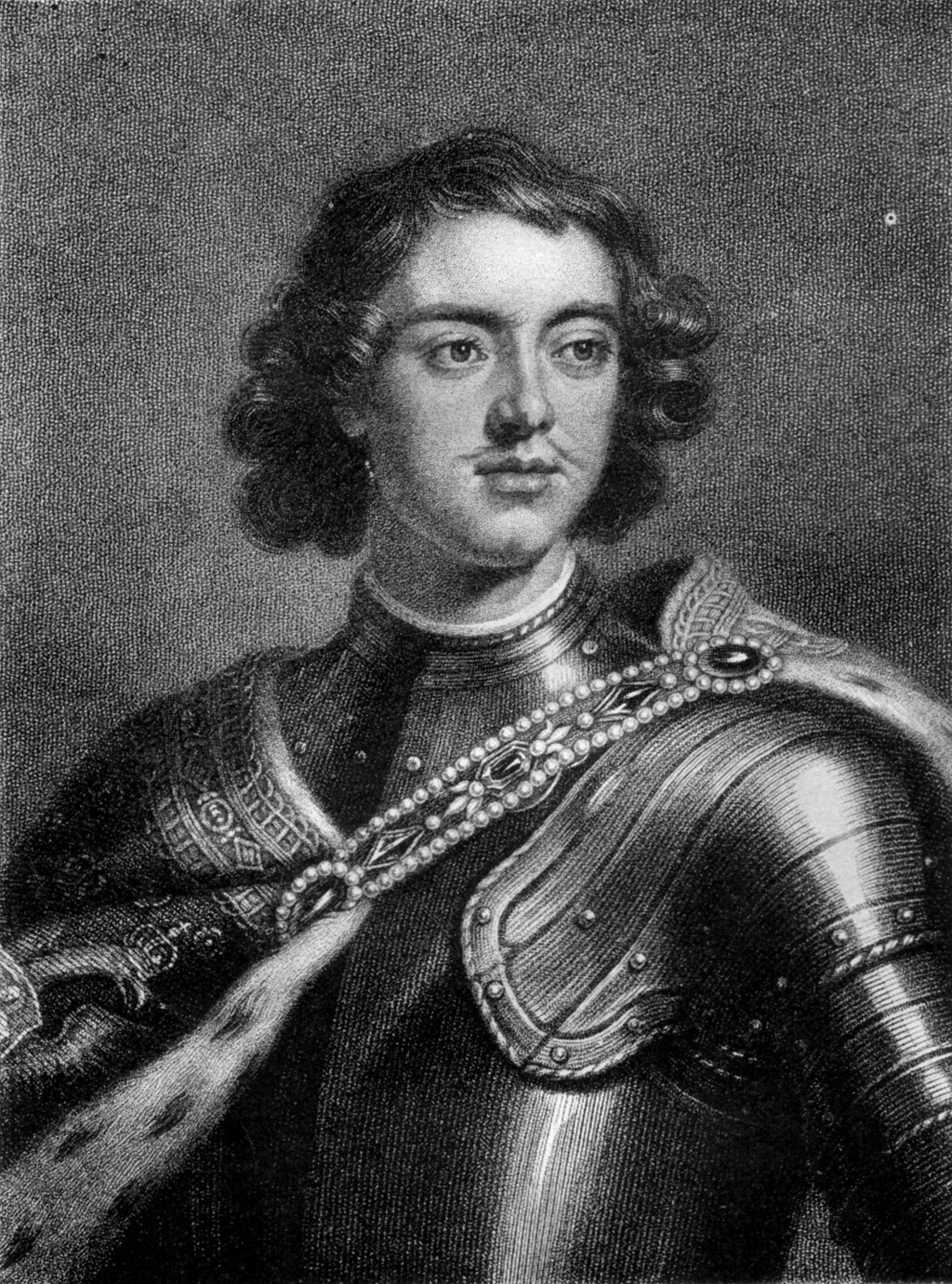
His education was informal and practical. He spent much of his youth in the Nemetskaya Sloboda, or the German Quarter, of Moscow. This was a neighborhood where foreign craftsmen, merchants, and soldiers lived. Here, Peter soaked up European ideas and skills that were rare in the rest of Russia. He learned about navigation, fortification, and ballistics from Dutch, German, and Scottish experts. He even formed his own personal regiment, the Preobrazhensky and Semyonovsky regiments, which were trained and equipped in the Western style. These weren't just toy soldiers anymore; they were the beginning of the new Russian army.
A Kingdom Apart
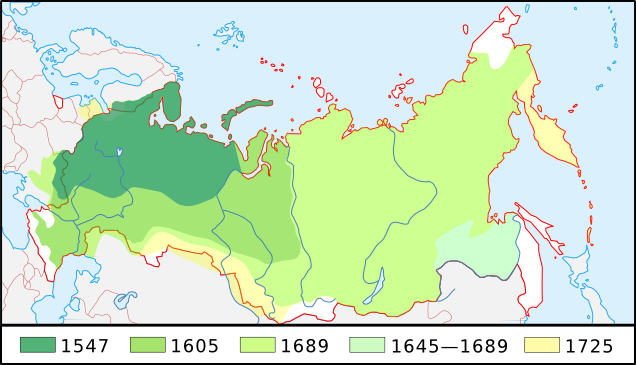
The Russia Peter was set to inherit was a vast but isolated kingdom. In the late 17th century, it was considered a backwater by the rest of Europe. Its technology was outdated, its government was inefficient, and its society was deeply traditional. Powerful noble families, known as the Boyars, held significant influence and often resisted change. The country had limited access to the sea, which choked its potential for trade and naval power. It was a world away from the booming maritime powers of England and the Netherlands that Peter so admired.
A Violent Rise to Power
Peter's path to the throne was anything but smooth. When his father, Tsar Alexis, died, a chaotic power struggle erupted. After the brief reign of his sickly half-brother Feodor III, ten-year-old Peter was chosen as tsar. This angered the family of Alexis's first wife, who wanted her son, the mentally and physically disabled Ivan, to rule.
This dispute was exploited by Peter's ambitious half-sister, Sophia. She incited a rebellion of the Streltsy, the elite palace guards. The revolt was brutal. Peter witnessed several of his family members and their allies being hacked to pieces by the guards right outside his window. The trauma of this event would stay with him for life.
The bloodshed he witnessed as a child would shape his entire reign.
In the end, a compromise was reached. Peter and Ivan V were named co-tsars, with Sophia acting as the regent, the true power behind the throne. For seven years, Peter was sidelined. He spent this time away from the court, focusing on his war games, shipbuilding, and friendships with foreigners. But as he grew into a towering and imposing young man, it became clear that he would not remain in the shadows forever. In 1689, at the age of 17, Peter staged a successful coup, forcing Sophia into a convent and seizing full control of the government. His reign had truly begun.
What was Peter the Great's primary area of interest during his youth, setting him apart from other Russian nobles?
The Nemetskaya Sloboda, or German Quarter, was significant in Peter's upbringing primarily because it...
With power secured, Peter was finally in a position to act on his ambitions. He was no longer a boy playing with soldiers; he was a tsar determined to drag his isolated kingdom into the modern world.