Pesticides in Oil Palm Plantations
Introduction to Oil Palm Cultivation
The World's Most Versatile Oil
Palm oil is an ingredient you've probably used today, even if you don't know it. It’s found in everything from lipstick and soap to pizza dough and biodiesel. This incredibly versatile and efficient vegetable oil comes from the fruit of the African oil palm tree, Elaeis guineensis.
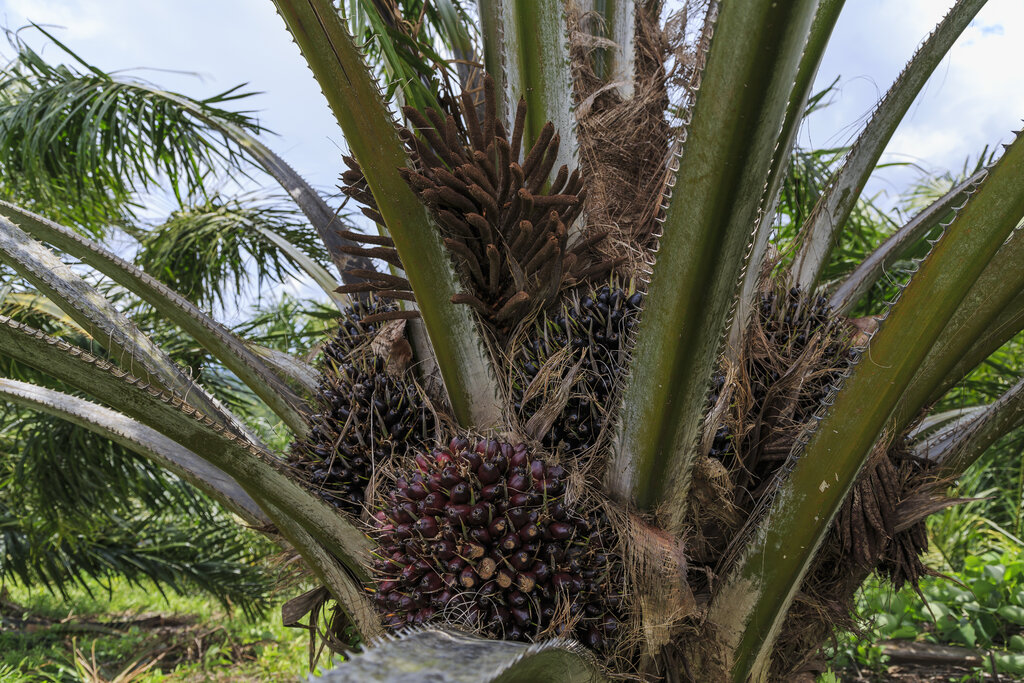
The oil palm is the world's most productive oil crop. A single hectare of land can produce several times more oil than other common crops like sunflower or soybean. This high yield makes it a crucial resource for meeting the global demand for vegetable oils. The tree produces large, heavy bunches of reddish fruit, and two types of oil can be extracted: palm oil from the fleshy part of the fruit, and palm kernel oil from the seed inside.
An Economic Powerhouse
The palm oil industry is a major economic engine, particularly in Indonesia and Malaysia, which together account for the vast majority of global production. The industry provides jobs for millions of people, from smallholder farmers who cultivate a few acres of land to workers in large plantations, mills, and refineries.
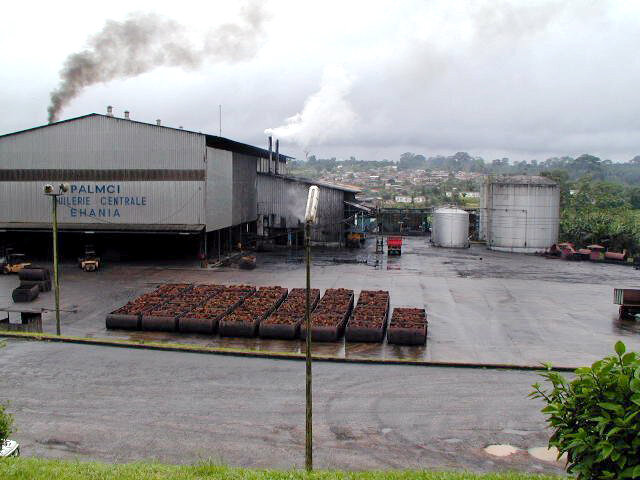
For many developing countries, palm oil is a vital source of export revenue, contributing significantly to their national economies. This income helps fund infrastructure, education, and healthcare. The crop's efficiency allows even small farmers to earn a reliable living, lifting many communities out of poverty.
From Seed to Harvest
Cultivating oil palm is a long-term process that requires careful planning and management. It all begins in a nursery, where seeds are germinated and grown into seedlings under controlled conditions for about a year. This ensures the young plants are strong and healthy before they are moved to the main plantation.
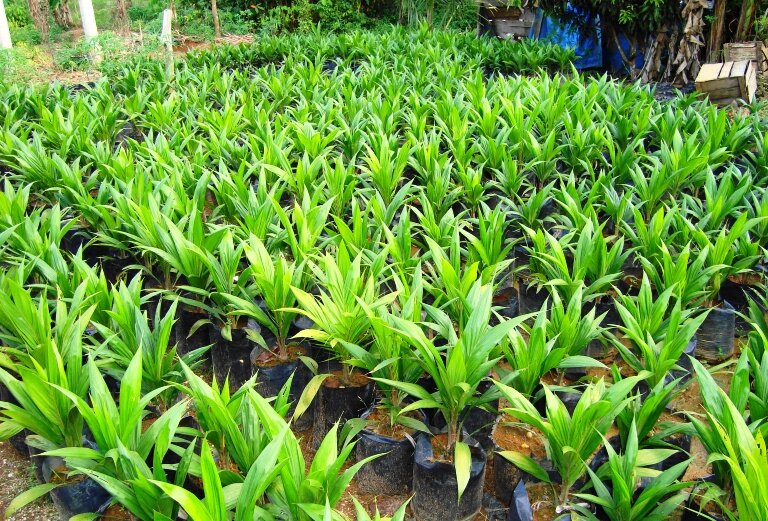
Once the seedlings are ready, they are transplanted into the field in carefully spaced rows. It takes about three to four years for the trees to mature and begin producing fruit. During this time, they require consistent care to thrive.
Proper fertilization is a key factor in meeting the nutritional needs of palm oil plants, which in turn affect their growth and optimal harvest yields.
Regular maintenance is essential for a productive plantation. This includes managing weeds and ensuring the palms get enough nutrients. Pruning old fronds is also a standard practice, which helps the tree focus its energy on fruit production and makes harvesting easier.
Pruning guidelines are crucial in maintaining palm oil plant growth and productivity.
When the fruit is ripe, skilled workers harvest the heavy bunches, which can weigh over 20 kilograms (44 pounds) each. They use long poles with sharp sickles to cut the bunches from the tall trees. After being collected, the fruit is quickly transported to a nearby mill for processing, as the quality of the oil begins to decline shortly after harvest.
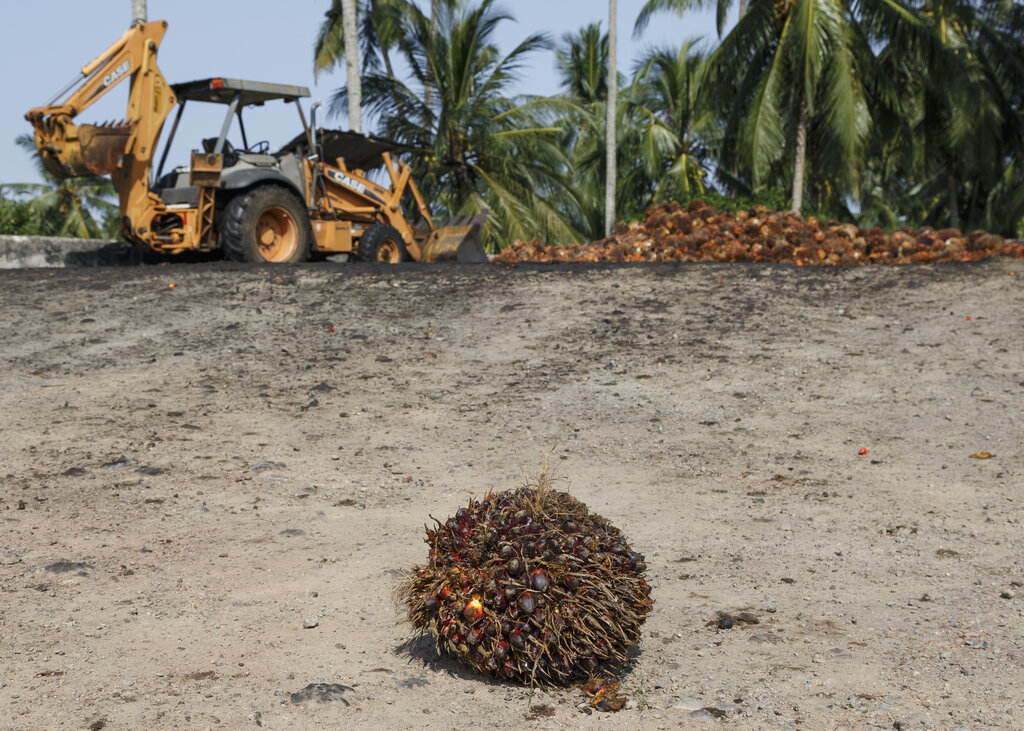
This cycle of growth, maintenance, and harvest establishes the foundation of the entire palm oil supply chain, turning a tropical fruit into one of the world's most important commodities.