Pesticide Application Essentials
Introduction to Pesticides
What Is a Pesticide?
A pesticide is any substance used to kill, repel, or control unwanted plants or animals. These unwelcome guests are called pests. The word “pesticide” gives us a clue to its purpose. The suffix “-cide” comes from the Latin word meaning “to kill.”
Pest
noun
An organism, such as an insect, rodent, or weed, that is harmful to human interests.
Pests can be insects eating crops, weeds choking out a garden, fungi causing plant diseases, or rodents spreading illness. Because there are many different types of pests, there are also many different types of pesticides, each designed to target a specific problem.
| Pesticide Type | Target Pest |
|---|---|
| Insecticides | Insects |
| Herbicides | Weeds (plants) |
| Fungicides | Fungi and molds |
| Rodenticides | Rodents (rats, mice) |
| Bactericides | Bacteria |
| Miticides | Mites |
Why Use Pesticides?
Pesticides play a significant role in our daily lives, often in ways we don't see. Their primary purpose is to manage pests that threaten our food supply, health, and property.
In agriculture, pesticides help farmers grow more food on less land by protecting crops from insects, weeds, and diseases. Without them, it's estimated that farmers could lose up to half of their crops. This protection helps keep food affordable and available.
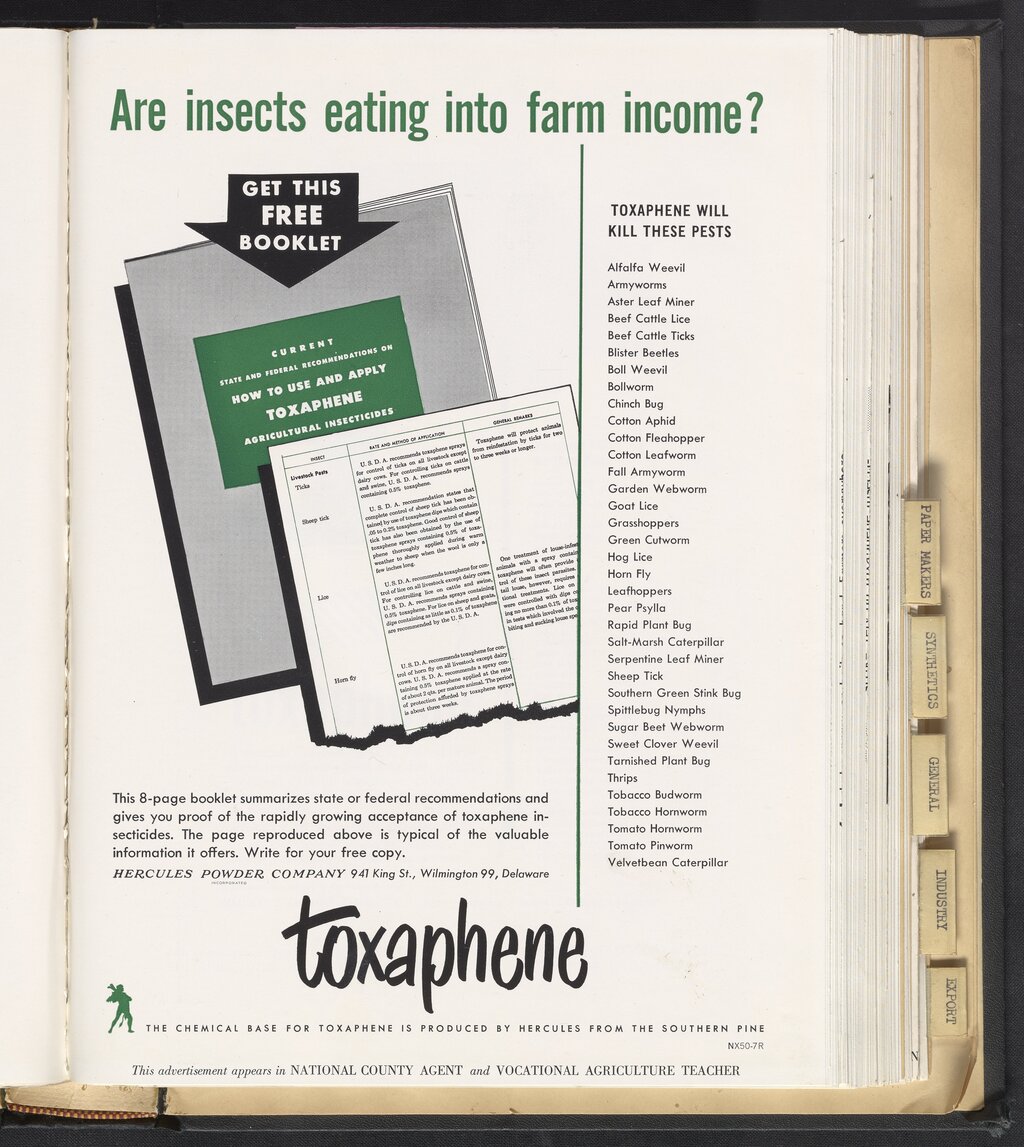
Pesticides are also crucial for public health. They control populations of insects like mosquitoes and ticks, which can carry dangerous diseases such as malaria, West Nile virus, and Lyme disease. In buildings, they can eliminate termites that damage wooden structures or control rodents that contaminate food and spread illness.
A Smarter Approach
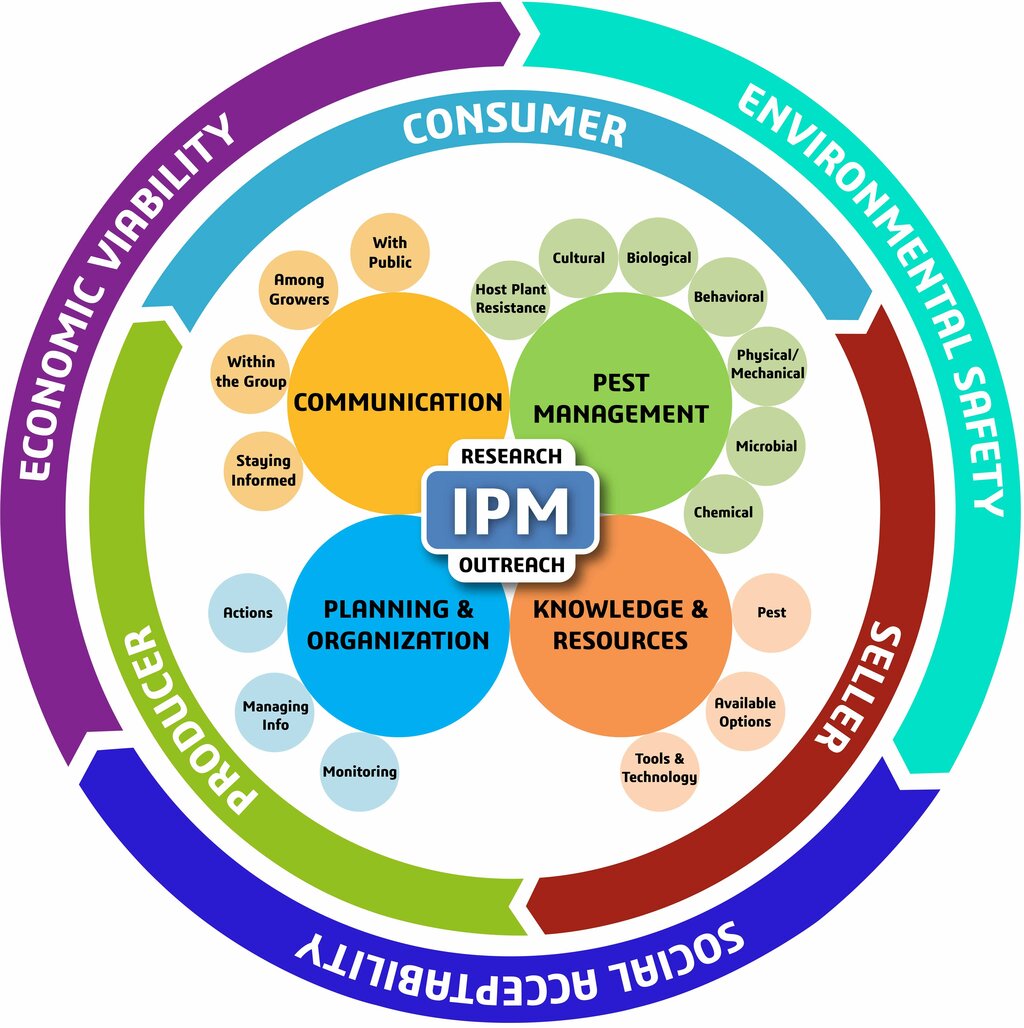
Simply spraying chemicals isn't always the best or only solution. Over-reliance on pesticides can lead to problems, like pests becoming resistant to them. That's why many have adopted a more strategic and holistic approach called Integrated Pest Management, or IPM.
Instead of routinely applying pesticides, integrated pest management (IPM) provides a holistic strategy focused on prevention and natural control methods.
IPM is a thoughtful, multi-step process. It starts with identifying the pest and understanding its life cycle. Before turning to chemicals, IPM practitioners consider other options first. These can include:
- Cultural controls: Changing practices to disrupt the pest. Examples include rotating crops or choosing pest-resistant plant varieties.
- Physical controls: Using barriers, traps, or physically removing pests.
- Biological controls: Introducing natural enemies, like ladybugs to eat aphids.
Pesticides are still part of the IPM toolkit, but they're used strategically and sparingly, only when other methods aren't enough to prevent significant damage. The goal is to manage pests effectively while minimizing risks to people and the environment.
Using Pesticides Responsibly
While pesticides are useful tools, they must be handled with care. The chemicals that are toxic to pests can also be harmful to other organisms, including humans, pets, wildlife, and beneficial insects like bees. They can also contaminate soil and water if used improperly.
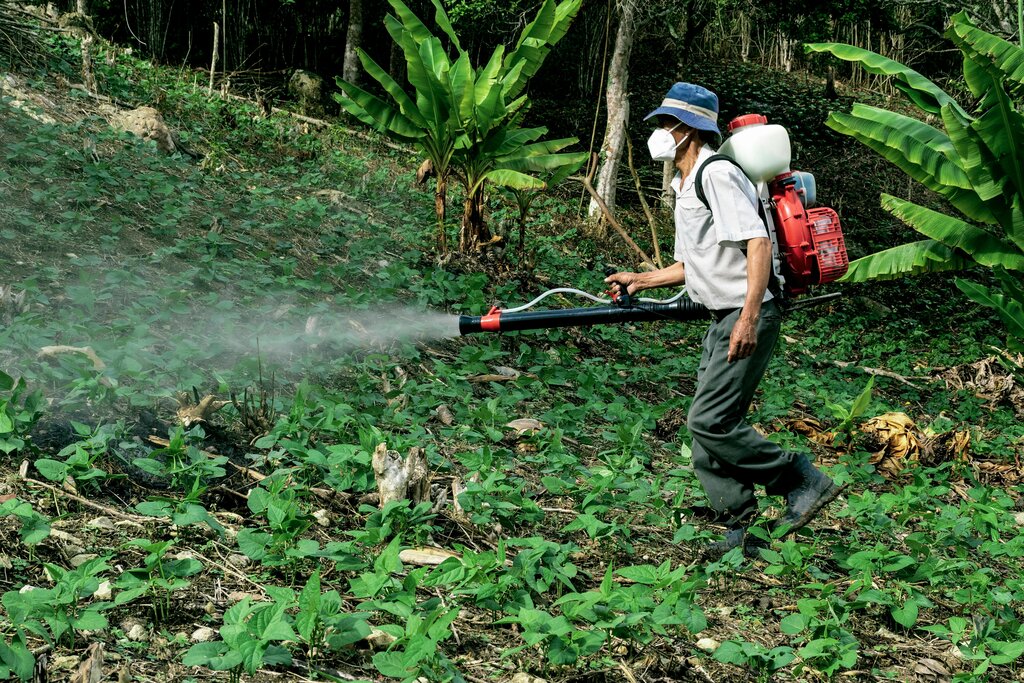
To minimize these risks, it's crucial to use pesticides responsibly. This means selecting the right product for the specific pest, using the correct amount, and applying it at the right time. Wearing protective gear, like gloves and masks, is also essential for safety.
The single most important rule is to read and follow the instructions on the product label. The label provides legally binding information on how to use the pesticide safely and effectively, what to do in case of accidental exposure, and how to dispose of the product and its container.
The label is the law. It contains everything you need to know to use a pesticide safely and effectively.
Understanding what pesticides are, why they're used, and how to apply them responsibly is the first step toward effective and safe pest management.
What is the primary purpose of using pesticides in agriculture?
According to the principles of Integrated Pest Management (IPM), when should pesticides be used?