Perspectives of the Ottoman Empire
The Millet Pluralism
A System of Communities
The Ottoman Empire wasn't a monolith. It was a mosaic of peoples, languages, and faiths. To govern this vast and diverse population, the Ottomans developed a unique administrative framework known as the millet system. Rather than forcing a single legal code on everyone, the empire allowed its major religious communities to govern their own affairs.
Millet
noun
A semi-autonomous, self-governing religious community within the Ottoman Empire. Each millet was defined by its faith, not its ethnicity or language.
The three most significant non-Muslim millets were the Greek Orthodox, the Armenian Apostolic, and the Jewish communities. Each was led by its highest religious authority, known as the milletbaşı (head of the millet) or Ethnarch. The Greek Orthodox Patriarch, the Armenian Patriarch, and the Jewish Grand Rabbi were not just spiritual leaders; they were political figures. They served as the link between their community and the Sultan's government, responsible for administering local justice and collecting taxes from their flock.
Autonomy and Its Limits
For the people living within a millet, this system provided a remarkable degree of legal autonomy. Matters of personal status—marriage, divorce, inheritance, and education—were handled according to their own religious laws and traditions. A dispute over a dowry in a Jewish family would be settled in a rabbinical court, not an Islamic one. This allowed distinct cultural and religious identities to persist for centuries within the imperial structure.
However, this autonomy had clear boundaries. All subjects of the empire, regardless of their millet, were under the authority of Ottoman law for criminal matters. A Muslim and a Christian accused of theft would both face the same state court. This created a dual legal system: communal law for personal life, and imperial law for public order and serious crime.
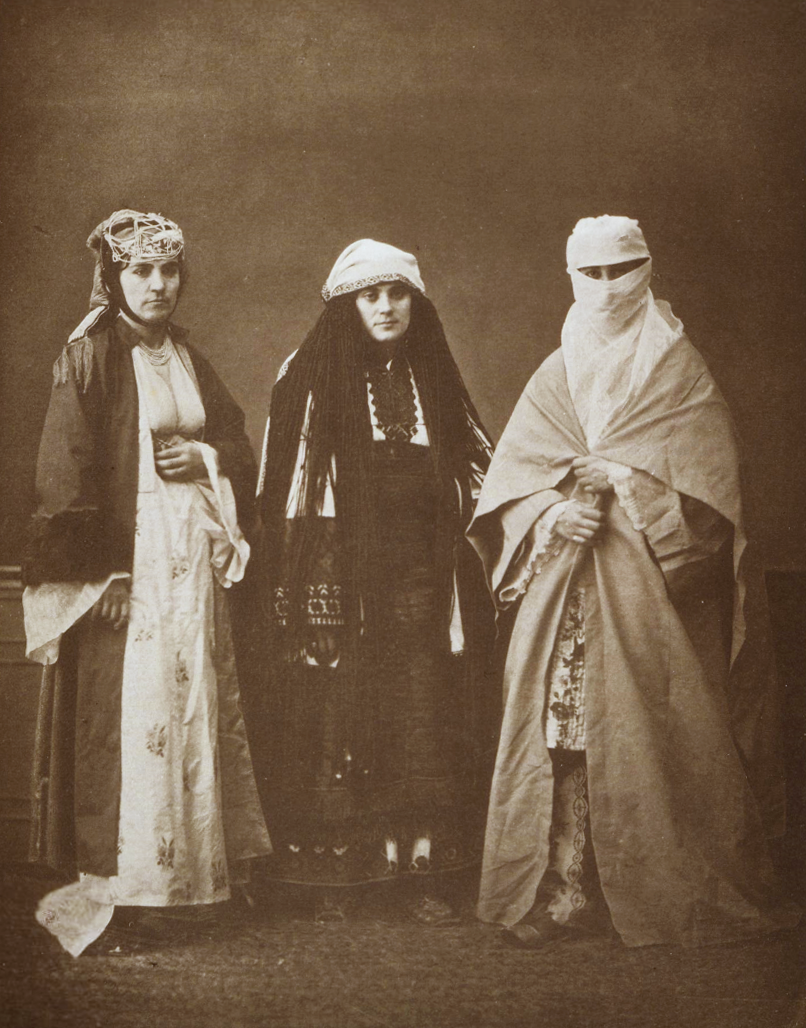
Non-Muslims were also subject to dhimmi status, a legal category for protected non-Muslim subjects in an Islamic state. This status guaranteed their right to life, property, and religious freedom in exchange for loyalty to the sultan and payment of a special tax called the jizya.
While the millet system preserved communal identity, dhimmi status created a clear social hierarchy. It offered protection and autonomy, but it also established a 'glass ceiling,' limiting non-Muslims' access to the highest ranks of military and government administration.
Life on the Ground
In practice, the system led to different communities occupying distinct economic niches. These were not legally mandated roles, but social and economic patterns that emerged over time. The Phanariot Greeks of Istanbul, for example, became indispensable to the empire as diplomats, administrators, and masters of maritime trade. Armenian communities were renowned for their skills in finance, banking, and craftsmanship. Jewish subjects often thrived as merchants, physicians, and tax collectors.
This specialization created a complex web of interdependence. The Ottoman state relied on the specific skills of its diverse populations, while each community found ways to prosper within the imperial framework.
The writings of travelers like Evliya Çelebi paint a picture of a society where different communities lived side-by-side, interacting daily in the marketplaces and public squares, even while maintaining their own distinct legal and social structures. His accounts describe the bustling port of Izmir, where merchants from every millet haggled over goods, and the diverse neighborhoods of Constantinople, each with its own character defined by its inhabitants.
This negotiated relationship between the central authority and its diverse communities was the hallmark of the classical Ottoman era. It was a pragmatic solution to governing a multi-religious empire, one that balanced state control with communal autonomy long before the centralizing reforms of the 19th century.
Test your understanding of this unique system of governance.
What was the primary purpose of the Ottoman millet system?
A dispute over a marriage contract arises between two members of the Armenian Apostolic community. Under the millet system, who would have jurisdiction over the case?
This framework of managed pluralism was a defining feature of the Ottoman Empire, shaping the social and political landscape for centuries.