Personalized Skincare Market Opportunity
Introduction to Personalized Skincare
Your Skin, Your Rules
For decades, skincare was a guessing game. You'd walk into a store, scan shelves packed with products for “oily,” “dry,” or “combination” skin, and pick one that sounded right. Maybe it worked, maybe it didn’t. This one-size-fits-all approach left a lot to chance.
Personalized skincare changes the game. Instead of relying on broad categories, it uses information about your specific skin, lifestyle, and environment to create products and routines just for you. It addresses your unique concerns, whether that's occasional acne, dryness from your office's air conditioning, or fine lines.
The goal is simple: to give your skin exactly what it needs, and nothing it doesn't.
From Mass Market to Me Market
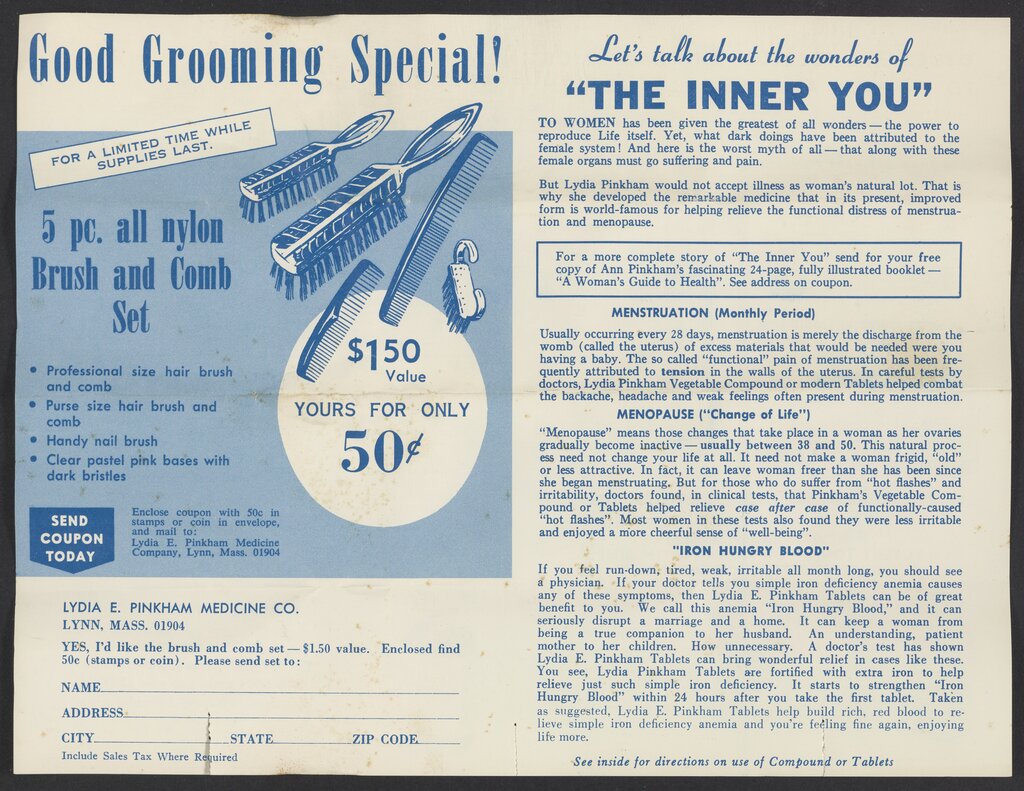
The journey from generic to custom skincare wasn't overnight. For most of the 20th century, beauty companies focused on mass production. They created a single cold cream or lotion and marketed it to everyone. The focus was on a universal solution, a miracle in a jar that promised the same results for all.
But as consumers, we became more informed. We started reading ingredient lists, researching skin types, and sharing our experiences online. We realized our skin is as unique as our fingerprints. This growing awareness created a demand for something better. People no longer wanted a product made for millions; they wanted one made for them.
Technology Steps In
This shift wouldn't be possible without technology. Brands now use online quizzes, AI-powered skin analysis, and even at-home testing kits to gather data about you. An algorithm might analyze a selfie to assess your skin's texture and pore size, or a detailed questionnaire will ask about your diet, stress levels, and local climate.
This data allows companies to pinpoint your specific needs and formulate a custom blend of ingredients. Instead of you hunting for the perfect product, the perfect product is built for you.
Personalization: AI algorithms analyze user behavior to deliver personalized content and recommendations, creating a tailored experience for each individual.
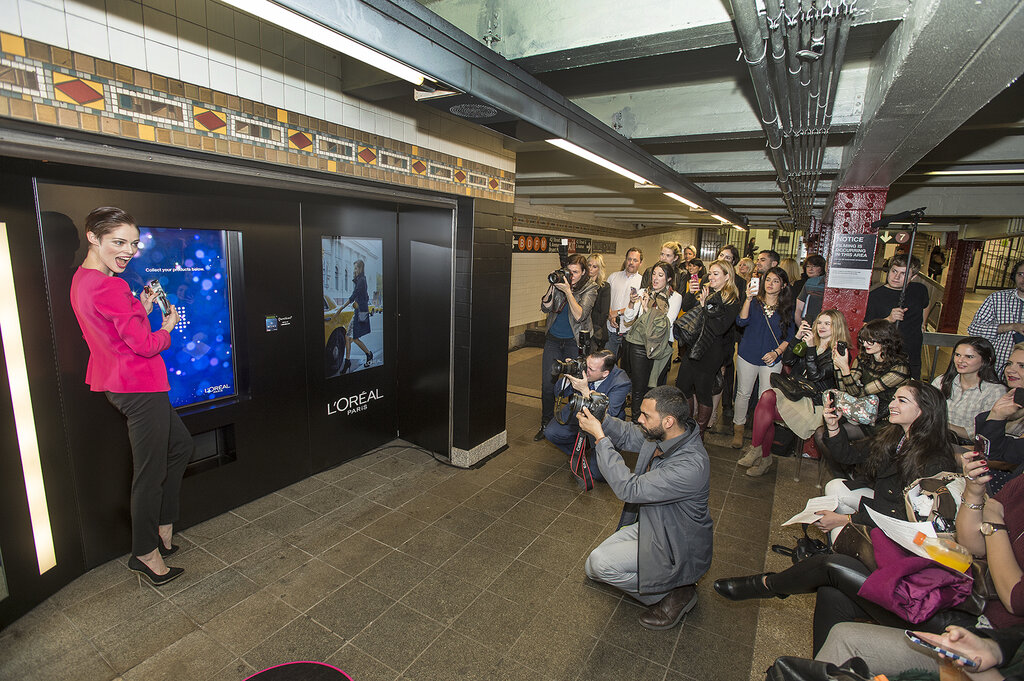
Interactive technology in stores also plays a part, offering on-the-spot recommendations and a more tailored shopping experience.
The Modern Skincare Scene
Today, the personalized skincare market is buzzing. You'll find a mix of nimble startups born online and established beauty giants launching their own custom lines. This competition is great for consumers, leading to more innovation and better products.
Several key trends are shaping the industry. There's a huge push for ingredient transparency, with brands openly sharing what's in their formulas and why. Sustainability is also a major focus, from ethically sourced ingredients to recyclable packaging. Another growing trend is the integration of skincare with overall wellness, recognizing the link between what you eat, how you feel, and how your skin looks.
Let's check your understanding of these foundational concepts.
What was the dominant approach to skincare for most of the 20th century?
According to the text, what two factors were the primary drivers behind the demand for personalized skincare?