Personal Training Marketing Mastery
Understanding Personal Training Market
The Fitness Boom
The personal training industry is more dynamic than ever. What used to be a luxury for the wealthy is now a common service for people from all walks of life. This growth is fueled by a greater awareness of health and wellness, and by new technologies that make fitness more accessible.
Several key trends are shaping the market. Online coaching and virtual training sessions have exploded in popularity, offering convenience and flexibility. Wearable technology, like smartwatches and fitness trackers, provides clients and trainers with a wealth of data to personalize workouts and monitor progress. Finally, there's a move away from one-size-fits-all gyms toward specialized boutique studios focusing on specific activities like HIIT, yoga, or cycling.

Who's Hiring a Trainer?
The stereotypical image of a personal training client is a young, athletic person looking to build muscle. While that group is certainly part of the market, the reality is much more diverse. Today’s clients have a wide range of ages, fitness levels, and goals.
You'll find clients seeking help with weight loss, older adults wanting to improve mobility and stay active, and individuals recovering from injuries who need guidance to exercise safely. Others might be training for a specific event, like a marathon, or looking to manage a chronic health condition. Understanding these different motivations is key to connecting with potential clients.

Sizing Up the Competition
As a personal trainer, you're not just competing with other trainers. The competitive landscape is broad and includes various business models, each with its own strengths and weaknesses.
Your competition includes large chain gyms, small independent studios, other freelance trainers, and even digital fitness apps.
Each of these competitors serves a different segment of the market. Big box gyms appeal to those looking for variety and affordability. Boutique studios attract clients seeking a specific type of workout and a strong sense of community. Digital apps offer convenience at a low price point. Understanding where you fit in this landscape is crucial.
Finding Your Niche
You can't be the perfect trainer for everyone. The most successful trainers identify a specific target market, or niche, and tailor their services to that group's unique needs. This allows you to become an expert and stand out from the competition.
Your niche could be based on a specific demographic, like seniors or new mothers. It could be based on a training style, like powerlifting or functional fitness. Or it could be focused on a specific goal, like preparing clients for obstacle course races.
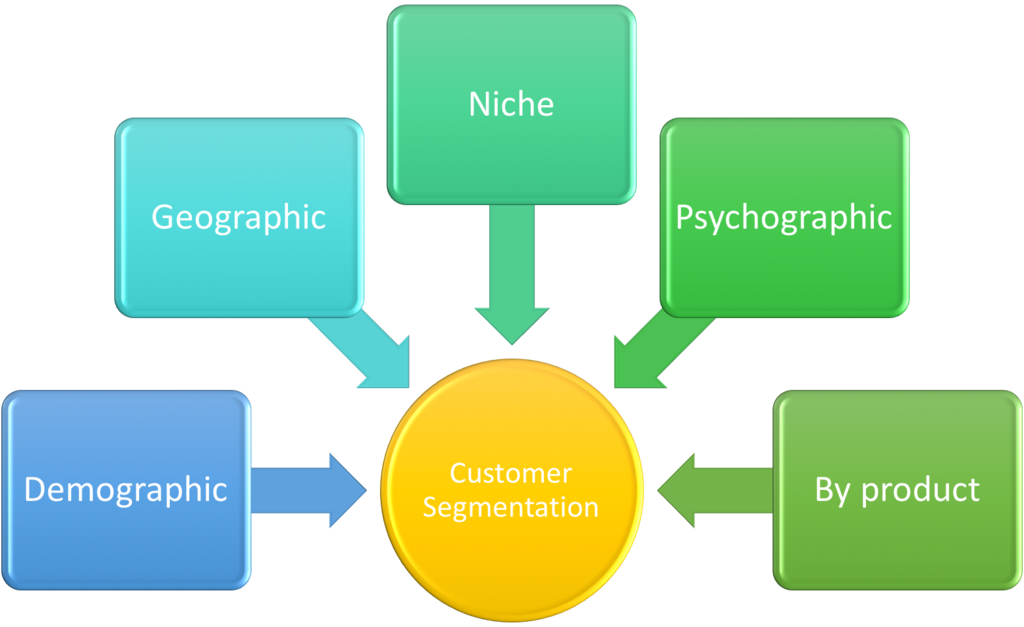
Think about your own passions, skills, and experience. Who do you enjoy working with most? What problems are you uniquely qualified to solve? Answering these questions will help you zero in on the right target market for your business.
Now that you have a better sense of the industry, let's test your knowledge.
Which of the following is identified as a major trend shaping the modern personal training industry?
Which statement best describes the modern client base for personal trainers?
Understanding the personal training market is the foundation for building a successful career. By knowing the trends, potential clients, and competition, you can carve out a unique space for yourself.