Personal Stock Investing Fundamentals
Investment Basics
The Building Blocks of Investing
Investing is about putting your money to work. Instead of letting it sit in a savings account, you use it to buy things you believe will grow in value over time. These “things” are called investment vehicles or assets. Think of them as the different tools you can use to build wealth.
Let's explore three of the most common building blocks: stocks, bonds, and exchange-traded funds (ETFs).
Stocks: Owning a Piece of the Pie
When you buy a stock, you're buying a small piece of ownership in a public company. That piece is called a share. If you buy a share of Apple, you own a tiny fraction of the entire company. You're now a shareholder.
Why would you want to do this? If the company performs well, makes a profit, and grows, the value of your share can increase. You can then sell it for more than you paid. Some companies also share their profits directly with shareholders through payments called dividends. This provides a regular stream of income.
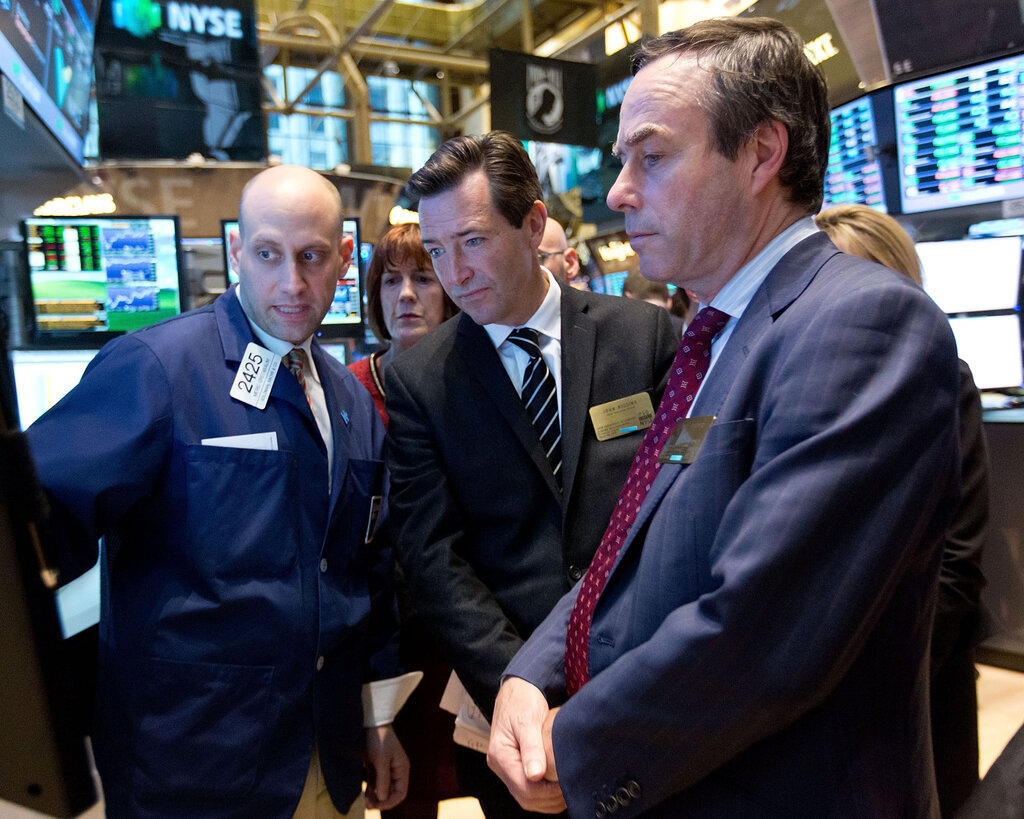
The potential for high returns is the main draw of stocks. A successful company can see its stock price multiply over the years. However, this potential comes with risk. If the company performs poorly, or if the overall economy struggles, the value of your shares can drop. It’s possible to lose your entire investment.
Bonds: Loaning for a Return
A bond is essentially a loan. When you buy a bond, you are lending money to an entity, which could be a corporation or a government. In exchange for your loan, the issuer promises to pay you periodic interest payments over a set term. At the end of that term, when the bond “matures,” the issuer repays the original amount of the loan, known as the principal.
principal
noun
The original amount of money invested or lent, separate from any earnings or interest.
Bonds are generally considered safer than stocks. Their returns are more predictable because you know the interest rate and maturity date when you buy them. This makes them attractive to investors who want to preserve their capital and generate a steady income.
The main risk with bonds is that the issuer could default on its payments, meaning it fails to pay the interest or return the principal. To help investors assess this risk, credit rating agencies like Moody's and S&P assign ratings to bonds. Higher-rated bonds are safer but typically offer lower interest rates.
ETFs: A Basket of Investments
An Exchange-Traded Fund (ETF) is a type of investment that holds a collection of assets, such as stocks, bonds, or commodities. Think of it like a shopping basket that contains dozens or even hundreds of different items. When you buy a share of an ETF, you're buying a small piece of that entire basket.
Many ETFs are designed to track a specific market index, like the S&P 500, which is a collection of 500 of the largest U.S. companies. Instead of buying 500 individual stocks, you can buy one share of an S&P 500 ETF and get exposure to all of them.
The biggest advantage of ETFs is instant diversification. Because they hold many different assets, the poor performance of one or two doesn't have a major impact on the overall fund. This helps to spread out risk. ETFs also trade on stock exchanges just like individual stocks, making them easy to buy and sell throughout the day.
While generally less risky than owning a few individual stocks, ETFs are not risk-free. The value of an ETF will fluctuate along with the value of the underlying assets it holds. If an ETF tracks the stock market, and the market goes down, the ETF's value will fall too.
| Vehicle | How It Works | Primary Benefit | Main Risk |
|---|---|---|---|
| Stocks | Ownership in a single company | High growth potential | High volatility; company failure |
| Bonds | A loan to a company or government | Predictable, steady income | Issuer defaults on payments |
| ETFs | A basket of many assets (stocks, bonds, etc.) | Instant diversification; lower cost | Market risk; value fluctuates with underlying assets |
Choosing the right investment depends on your financial goals, your timeline, and how much risk you're comfortable taking. Understanding these basic building blocks is the first step toward making informed decisions.
What does purchasing a share of a company's stock represent?
When you invest in a bond, you are essentially providing a loan to an organization.