Personal Finance Essentials
Introduction to Personal Finance
Your Financial Roadmap
Personal finance is the art and science of managing your money. It’s about making conscious decisions with your financial resources to meet your life goals. This could mean anything from saving for a vacation, buying a house, or planning for a comfortable retirement. Think of it as creating a roadmap for your financial journey. Without one, you're just wandering.
At its core, personal finance is about aligning your money with your values and goals.
To navigate this journey, you need financial literacy. It’s not about being a math wizard or a stock market genius. It's simply the knowledge and skills to make smart, informed decisions about your money.
Financial Literacy
noun
The ability to understand and effectively use various financial skills, including personal financial management, budgeting, and investing.
Being financially literate means you can confidently answer questions like: Am I spending more than I earn? Can I afford to take on this loan? Am I saving enough for the future? It empowers you to handle your money, rather than letting your money handle you.
The Payoff of Paying Attention
Managing your finances effectively brings tangible benefits. The most immediate one is reduced stress. When you have a clear picture of your financial situation and a plan in place, you worry less about unexpected bills or emergencies. Financial stability provides a sense of security and peace of mind.
Over the long term, good financial habits open up a world of possibilities. They enable you to build wealth, achieve major life goals, and gain financial independence. This freedom means you have more choices about how you live and work, unconstrained by financial pressures.
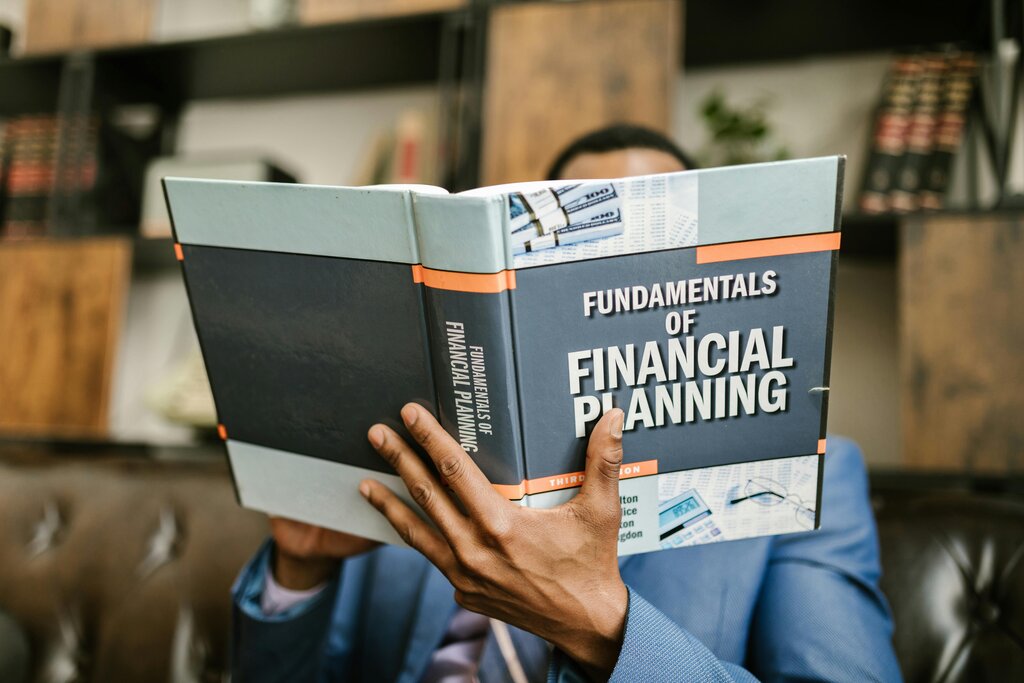
Essentially, taking control of your finances is an investment in your future self. The small, smart choices you make today compound over time, leading to significant rewards down the road.
The Core Components
Personal finance revolves around a few key activities. While we'll explore these in more detail later, it's helpful to know the basic building blocks:
- Earning: Your income from a job, business, or other sources.
- Spending: How you use your money for needs and wants.
- Saving & Investing: Setting money aside for future goals and making it grow.
- Borrowing: Using debt, like loans or credit cards, responsibly.
- Protecting: Using tools like insurance to guard against financial risks.
Understanding how these five areas interact is the foundation of solid financial management. It’s about creating a system where your earnings cover your spending, fund your savings, and manage any debt, all while being protected from unexpected events.
Ready to check your understanding of these foundational ideas?
What is the primary purpose of personal finance?
Which action best demonstrates financial literacy?
Grasping these basics is the first step. By building your financial literacy, you're not just learning about money; you're building a more secure and free future.