Performance Models for Small High-Performing Teams
Understanding Performance Models
What Are Performance Models?
A performance model is a roadmap for success within an organization. It defines what great performance looks like and how it will be measured. Think of it as a clear agreement between an employee and the company about what is expected.
For small organizations, these models are especially powerful. When teams are small and roles can be fluid, a performance model provides structure and clarity. It ensures everyone is pulling in the same direction, understands their contribution, and has a clear path for growth.
The main goal is to align individual actions with the company's strategic objectives, turning scattered efforts into focused progress.
A Look at Different Frameworks
There’s no one-size-fits-all performance model. Different frameworks emphasize different aspects of performance. Let's look at a couple of common approaches.
One popular framework focuses on Goals and Objectives. This approach is straightforward: performance is measured against a set of clear, agreed-upon goals. Often, these are structured as SMART goals (Specific, Measurable, Achievable, Relevant, Time-bound). This model is great for roles where outcomes are easy to quantify, like sales or production.
Another approach is the Competency Model. This framework shifts the focus from what is achieved to how it's achieved. It identifies the key skills, behaviors, and knowledge needed for success in a role. For example, a competency might be "Communication" or "Problem-Solving." Performance is then evaluated based on how well an individual demonstrates these competencies. This is useful for roles where collaboration and process are just as important as the final output.
Core Components of Any Good Model
Regardless of the specific framework you choose, any effective performance model will share a few essential components.
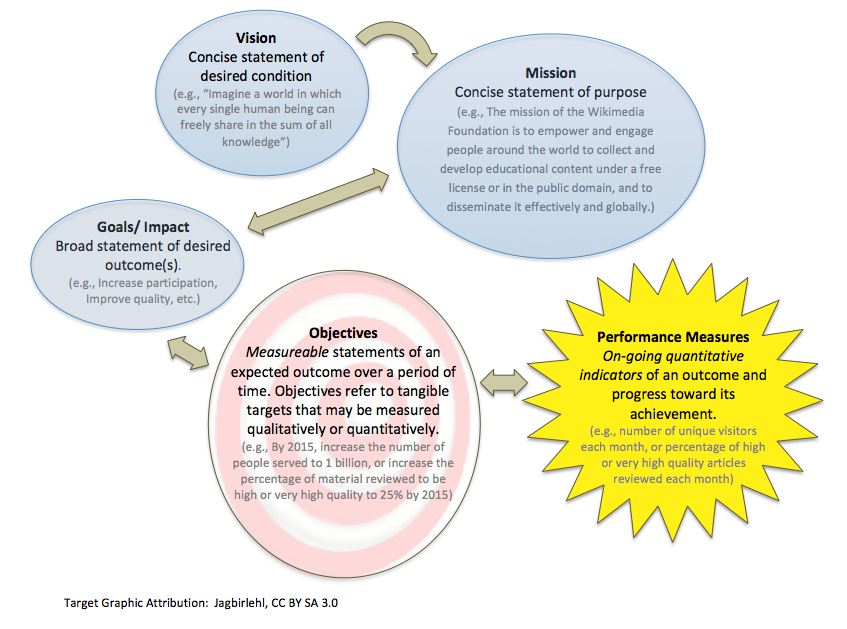
Clear Expectations: The model must explicitly state what success looks like. This isn't just a list of tasks; it includes behaviors, skills, and outcomes. There should be no ambiguity about what is expected of an employee.
Regular Feedback: Performance management isn't a once-a-year conversation. An effective model includes mechanisms for continuous, constructive feedback. This helps employees adjust their course in real-time and feel supported in their development.
Fair and Consistent Measurement: The model needs a clear, objective way to assess performance. Whether it's tracking sales numbers or evaluating competency levels through specific examples, the criteria should be applied consistently to everyone.
Link to Development: A good performance model doesn't just evaluate the past; it looks to the future. It should help identify an employee's strengths and areas for growth, linking performance outcomes to development opportunities like training or mentorship.
With these foundations in place, a performance model becomes more than just an evaluation tool. It becomes a vital part of your organization's culture, driving clarity, growth, and alignment.