Performance Marketing to Elite Consultant Roadmap
Strategic Campaign Management
Charting the Course
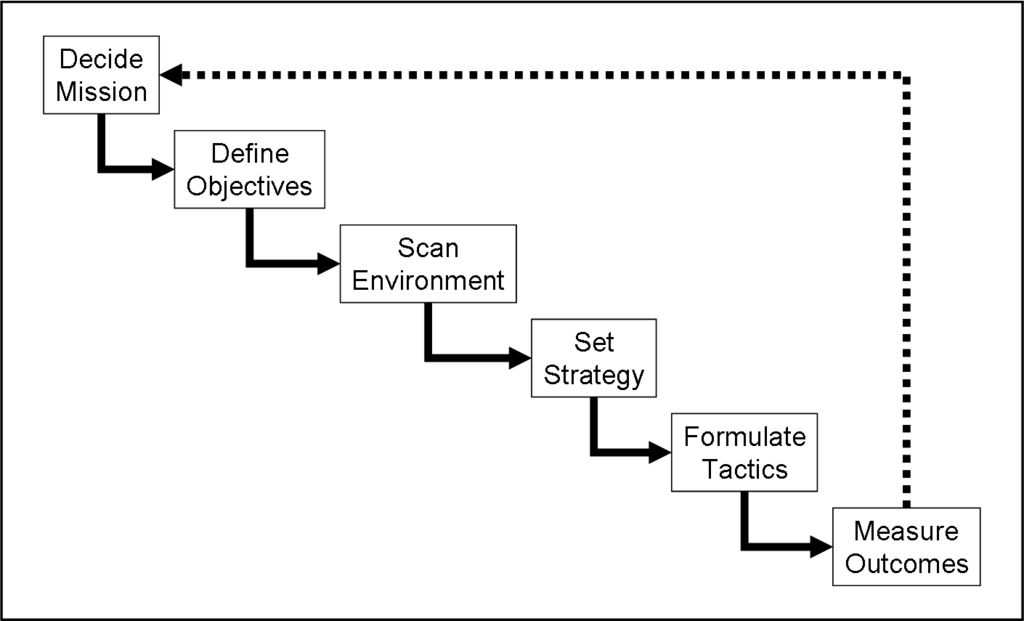
Every successful marketing campaign begins with a clear plan. Without one, you're just spending money and hoping for the best. The foundation of this plan is setting goals that are specific, measurable, and tied directly to what the business wants to achieve. It’s the difference between saying “we want more sales” and “we want to increase online sales by 15% in the next quarter.”
A well-defined goal acts as your campaign's north star. It guides every decision you make, from the audience you target to the channels you use.
Think of your goals as a contract with your team and stakeholders. They should be ambitious enough to drive growth but realistic enough to be achievable. This process isn't just about picking numbers; it's about defining what success looks like before you even start. Once your objectives are set, every other piece of the campaign can fall into place.
Know Your Audience
Once you know what you want to achieve, the next question is: who are you talking to? You can't create a message that resonates with everyone. Trying to do so usually results in a message that resonates with no one. This is where audience segmentation comes in.
Segmentation is the practice of dividing your broad target market into smaller, more manageable groups based on shared characteristics. These could be demographics (like age and location), psychographics (like values and lifestyle), or behaviors (like past purchases or online activity).
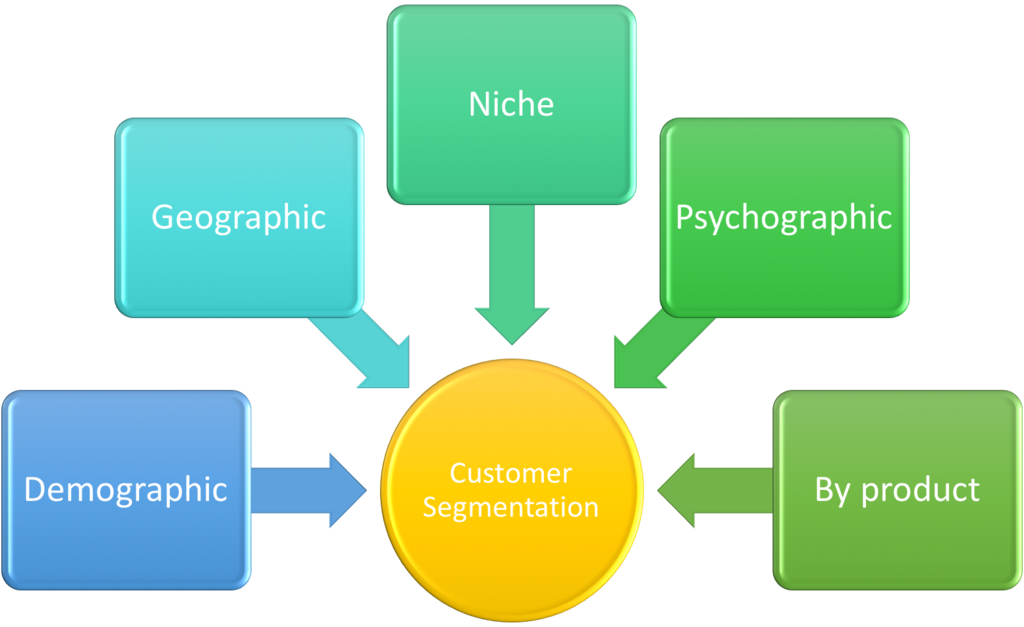
By segmenting your audience, you can tailor your messaging, offers, and creative to speak directly to the specific needs and desires of each group. A recent college graduate has different priorities than a retiree, and your marketing should reflect that. This targeted approach makes your campaigns more relevant, effective, and efficient.
Choosing Your Channels
With a clear goal and a defined audience, it's time to decide where you'll deliver your message. The goal isn't to be on every platform, but to be on the platforms where your audience spends their time. If you're targeting professionals, LinkedIn might be a priority. If you're after a younger demographic, TikTok or Instagram could be more effective.
More importantly, your channels shouldn't operate in silos. An integrated campaign ensures a cohesive experience for the customer. The email they receive should align with the social media ad they saw, which should echo the messaging on your website. Think of it like an orchestra: each channel is an instrument, and they all need to play in harmony to create a beautiful piece of music. This consistency builds trust and reinforces your brand message at every touchpoint.
Keeping It All Together
A great strategy is useless without great execution. Managing a campaign involves juggling countless tasks, deadlines, and team members. This is where project management tools become essential. Platforms like Asana, Trello, or Monday.com help you visualize the entire campaign, from initial brainstorming to final reporting.
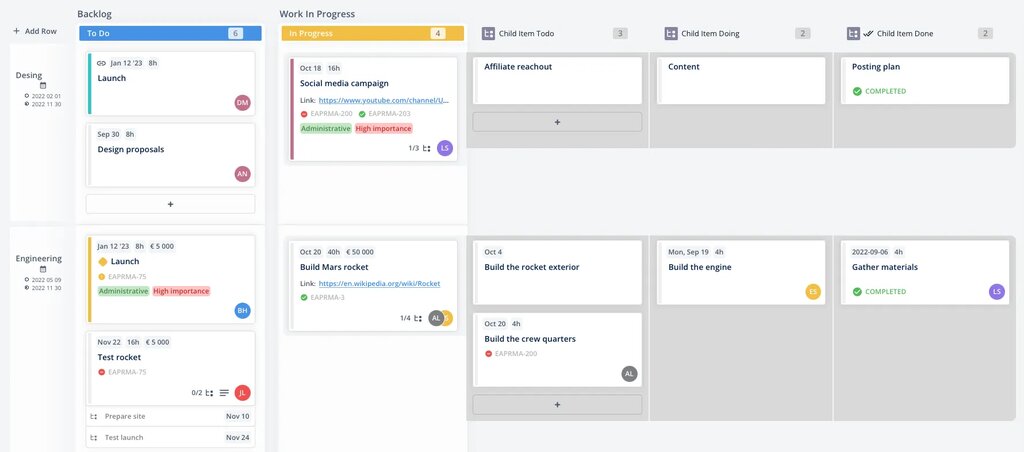
Using a centralized tool ensures everyone on the team knows what they're responsible for, when it's due, and how their work fits into the bigger picture. It provides a single source of truth, reducing confusion and keeping the campaign on track. This oversight is critical for spotting potential roadblocks before they become major problems and for ensuring a smooth workflow from start to finish.
Staying Agile
The marketing landscape is constantly changing. What worked yesterday might not work today. That's why modern campaign management embraces agility. An agile approach means you don't just create a plan and stick to it no matter what. Instead, you work in shorter cycles, often called sprints, to launch, test, and learn.
Monitor Performance Metrics and Adjust Campaigns in Real-Time
Agile marketing is about being responsive. You monitor performance data as it comes in and use those insights to make quick adjustments. Did one ad creative outperform another? Shift more budget to the winner. Is a particular channel not delivering results? Reallocate those resources to one that is.
This iterative process allows you to optimize your campaign while it's still running, rather than waiting for a post-campaign analysis to figure out what went wrong. It's a mindset that prioritizes adaptability and continuous improvement, ensuring your marketing efforts stay effective in a dynamic market.
Which of the following represents the most effective marketing campaign goal?
What is the primary purpose of audience segmentation?
Strategic campaign management transforms marketing from a series of disconnected activities into a cohesive, goal-oriented engine for business growth. By carefully planning, targeting, and managing your efforts, you can deliver campaigns that are not only creative but also measurably effective.