Performance Marketing Mastery
Introduction to Performance Marketing
Marketing Where You Pay for Results
Imagine running an ad campaign and only paying when you get what you want. Not just eyeballs or potential interest, but a concrete action—a click, a sign-up, a sale. That's the core idea behind performance marketing.
Unlike traditional marketing, where you pay upfront for ad space on a billboard or in a magazine, performance marketing is results-driven. Advertisers pay publishers or platforms when a specific, measurable action is completed. It shifts the risk from the advertiser to the publisher, who now has a direct incentive to deliver high-quality traffic that converts.
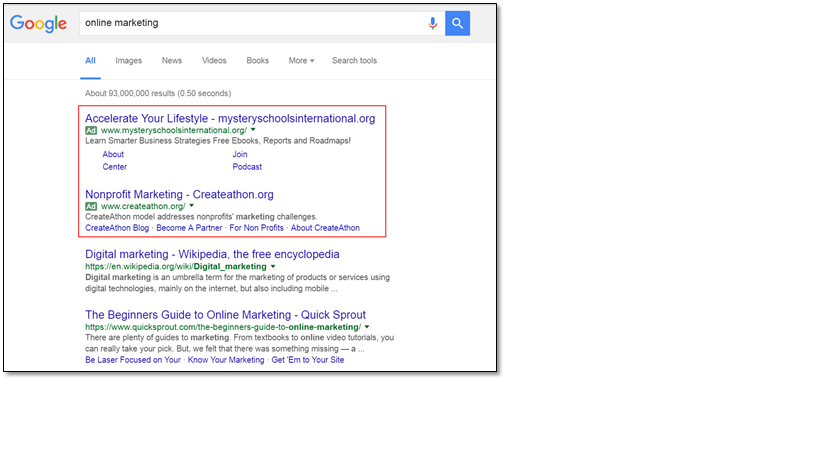
This approach flips the old advertising model on its head. A TV commercial might be seen by millions, but how many of those viewers actually visited a store? It's hard to say. With performance marketing, the connection between the ad and the action is direct and trackable. Every dollar spent can be tied to a specific outcome.
| Feature | Traditional Marketing | Performance Marketing |
|---|---|---|
| Payment Model | Pay for ad space or impressions (potential views) | Pay for specific actions (clicks, leads, sales) |
| Measurement | Difficult to track direct results and ROI | Highly measurable with clear KPIs and ROI |
| Optimization | Changes are slow and based on broad feedback | Campaigns can be optimized in real-time based on data |
| Targeting | Broad audience (e.g., magazine readers) | Highly specific audience targeting based on data |
The Four Core Principles
Performance marketing is built on four key pillars that set it apart.
Measurability: Every part of a campaign can be tracked. From the number of people who see an ad to the percentage who click on it and the final number who make a purchase, it's all quantifiable data. This eliminates guesswork.
Accountability: Because everything is measurable, accountability is built-in. You know exactly how much you're spending to acquire a new customer or generate a lead. This direct link between cost and result makes it easy to calculate your return on investment (ROI).
Optimization: With a constant stream of performance data, marketers can continuously test and refine their campaigns. They can try different headlines, images, or targeting options to see what works best and then allocate more budget to the top performers. It's a cycle of learning and improving.
Scalability: Once you find a winning formula, performance marketing makes it easy to scale. You can increase your budget to reach a larger audience and drive more results, confident that your strategy is effective. Conversely, underperforming campaigns can be paused or stopped quickly, minimizing wasted ad spend.
Data Drives Decisions
The engine of performance marketing is data. Gut feelings and assumptions are replaced by hard numbers and clear insights into customer behavior. Marketers don't have to guess which ad is more effective; they can run both and let the data decide.
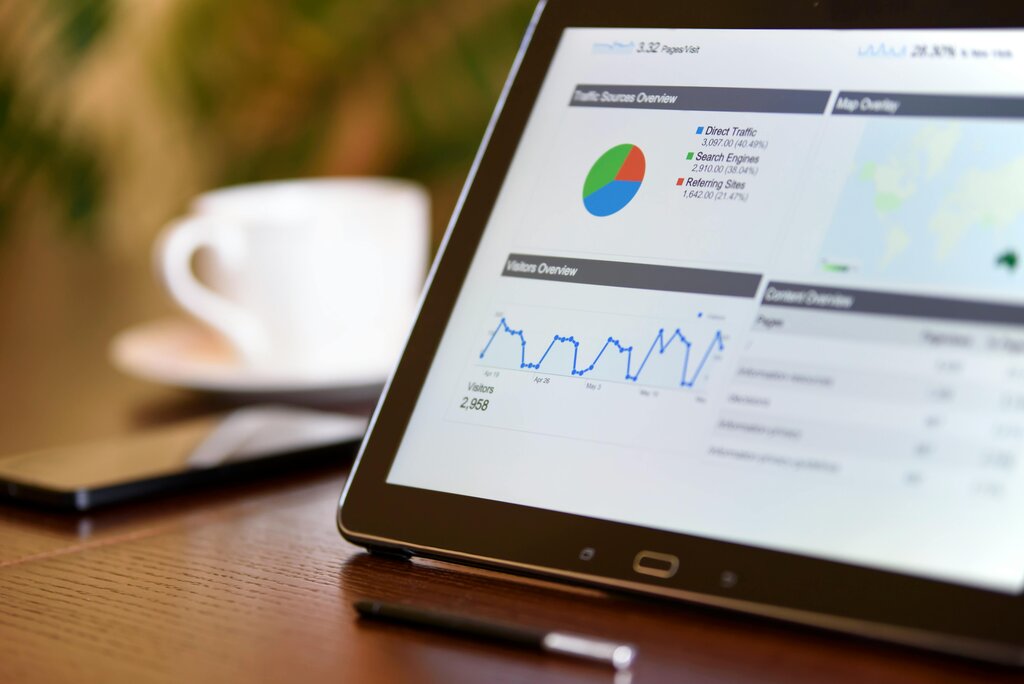
This data-driven approach allows for smarter, faster decision-making. It helps businesses understand their customers on a deeper level, refine their messaging, and ultimately, invest their marketing budgets where they will have the greatest impact.
To measure the success of a performance marketing campaign, it’s essential to track specific Key Performance Indicators (KPIs) that provide insights into how well the campaign is driving ROI.
Ready to review these foundational concepts?
What is the fundamental principle of performance marketing?
In performance marketing, the financial risk is primarily shifted from the advertiser to the publisher.
Understanding these core principles is the first step toward building effective, data-driven marketing campaigns that deliver measurable results.