Performance Marketing Essentials
Introduction to Performance Marketing
What Is Performance Marketing?
Imagine you own a coffee shop and want more customers. You could pay someone $100 to hand out 1,000 flyers. You hope some of those people show up, but you'll never know for sure. Now, what if you could pay that person $1 for every customer who walks in holding a flyer? That second scenario is the essence of performance marketing.
Performance marketing is a digital marketing strategy where advertisers pay only when a specific action is completed, such as a click, a lead, or a sale.
This approach is built on a few core principles:
- Accountability: You know exactly where your money is going and what results it's generating. Every dollar is tied to a measurable outcome.
- Precision: Instead of shouting your message to a broad audience, you can target specific groups of people who are most likely to be interested in what you offer.
- Transparency: All the data is available. You can see in real-time what’s working and what isn’t, allowing you to make quick adjustments.
A New Way to Think About Ads
Traditional marketing, like billboards or magazine ads, is about building brand awareness. It's like planting a seed. You hope it grows into a big, recognizable tree over time, but the direct impact is hard to measure. How many people saw your billboard and then decided to buy your product a week later? It’s nearly impossible to know.
Performance marketing is different. It’s focused on driving immediate, measurable action. It’s less about planting a seed and more about picking the ripe fruit. The goal isn't just to be seen; it's to get a response.
| Feature | Traditional Marketing | Performance Marketing |
|---|---|---|
| Payment Model | Pay for ad space or airtime (impressions) | Pay for specific actions (clicks, sales) |
| Measurement | Estimates of reach and frequency | Precise, real-time data and KPIs |
| Goal | Brand awareness, broad reach | Direct response, leads, and sales |
| Risk | Higher risk, success is uncertain | Lower risk, pay only for results |
Measuring What Matters
If you're paying for results, you need a clear way to measure them. This is where Key Performance Indicators, or KPIs, come in. These are the specific metrics you track to see how your campaigns are doing. While there are many KPIs, a few are fundamental to performance marketing.
To measure the success of a performance marketing campaign, it’s essential to track specific Key Performance Indicators (KPIs) that provide insights into how well the campaign is driving ROI.
Return on Investment
noun
The profit earned from your marketing efforts compared to the cost. It’s the ultimate measure of whether your campaigns are making money.
Cost Per Acquisition
noun
The average cost to gain one new customer. This tells you how much you have to spend to get someone to make their first purchase.
It's often shortened to CPA. If you spend $1,000 on a campaign and get 50 new customers, your CPA is $20.
Conversion Rate
noun
The percentage of people who take a desired action after clicking on your ad, like signing up for a newsletter or buying a product.
If 1,000 people click your ad and 20 of them make a purchase, your conversion rate is 2%.
Common Channels
Performance marketing isn't a single tool but a strategy that uses various digital channels to achieve its goals. Here are some of the most common ones:
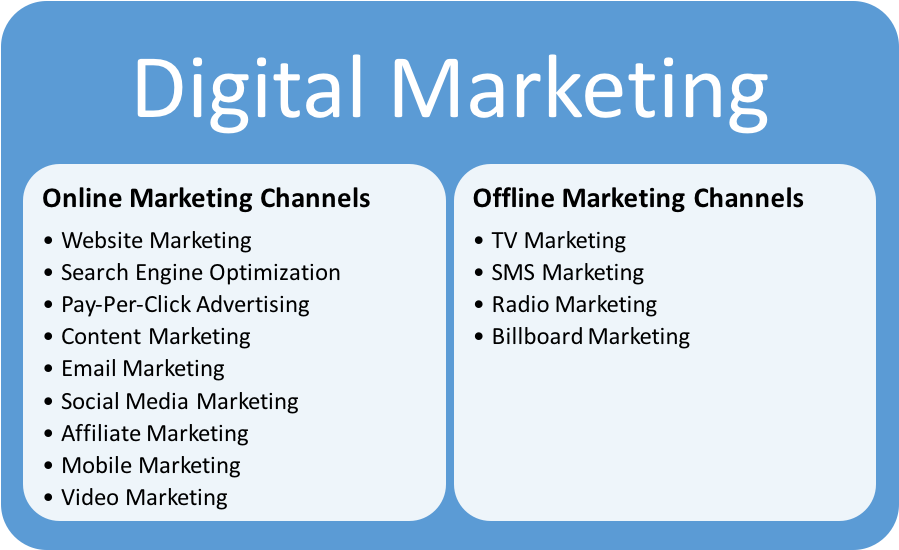
Search Engine Marketing (SEM): This involves placing ads on search engines like Google or Bing. You bid on keywords and pay when someone clicks your ad. It's powerful because you're reaching people who are actively searching for what you offer.
Social Media Advertising: Platforms like Facebook, Instagram, and LinkedIn allow for highly targeted ads based on user demographics, interests, and behaviors. You can pay for clicks, leads, or even app installs.
Affiliate Marketing: This is a classic performance model. You partner with individuals or companies (affiliates) who promote your product. You pay them a commission for every sale or lead they generate through their unique link.
Display Advertising: These are the banner ads you see on websites across the internet. While they can be used for brand awareness, in performance marketing, they are tracked and optimized to drive specific actions, like clicks that lead to a purchase.
By understanding these core concepts, you can see how performance marketing provides a clear, data-driven path to growing a business. It shifts marketing from a cost center to a direct driver of revenue.