Performance Management for Employee Retention
Understanding Performance Management
What is Performance Management?
Performance management is the ongoing process of communication between a manager and an employee. It's a continuous cycle aimed at helping employees do their best work and, in turn, helping the organization achieve its goals. Think of it less like a final exam and more like a coach working with an athlete throughout the season. The coach doesn't just show up for the championship game; they're there for every practice, offering guidance, tracking progress, and adjusting the game plan.
At its core, performance management connects the day-to-day tasks of every employee to the company's bigger mission. It ensures that everyone is pulling in the same direction and understands how their individual contributions make a difference.
It’s a partnership between management and employees that creates a shared understanding of what needs to be accomplished and how it will be done.
The Objectives
A good performance management system isn't just about grading employees. It has several clear objectives that benefit both the individual and the organization.
The first goal is strategic alignment. This means ensuring that every employee's goals are directly linked to the broader objectives of their department and the company as a whole. When an employee knows their work contributes to a larger purpose, their motivation and engagement often increase.
Another key objective is development. Performance management identifies an employee's strengths and areas for improvement. This information helps create a roadmap for growth, guiding training opportunities, skill-building, and career advancement. It answers the question, "How can you become even better at your job?"
Finally, the process fosters clear communication. It opens up a consistent, two-way dialogue. Employees get regular feedback on their work, and managers gain insight into any challenges or obstacles their team members are facing. This prevents small issues from becoming big problems.
The Key Components
While systems can vary, most effective performance management processes are built on three essential pillars.
Goal Setting
noun
The collaborative process of defining what an employee is expected to accomplish over a specific period. These goals should be clear, measurable, and aligned with organizational objectives.
This is the foundation. Without clear goals, it's impossible to measure performance. The best goals are specific and challenging yet achievable. They give employees a clear target to aim for.
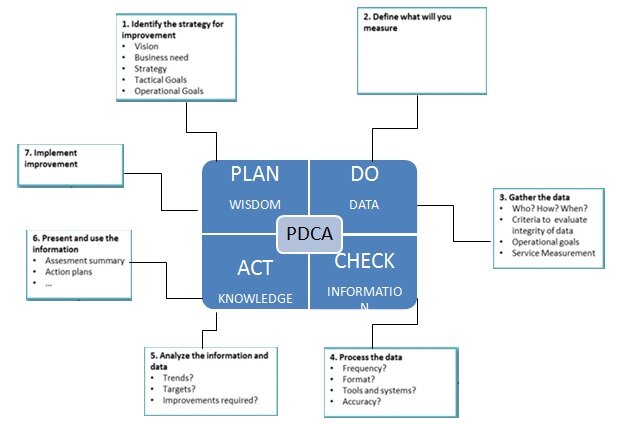
Performance management has shifted from annual reviews to a continuous feedback approach, helping employees stay aligned with goals and develop in real time.
Next is performance appraisal, which is the formal process of reviewing and evaluating performance against the established goals. This isn't about pointing out flaws; it's a constructive conversation to recognize achievements, discuss challenges, and recalibrate for the future. It’s the scheduled check-in to see how things are going.
Finally, and perhaps most importantly, are the feedback mechanisms. This is the day-to-day, informal part of performance management. It includes quick check-ins, words of encouragement for a job well done, or gentle course correction when needed. Ongoing feedback ensures that the formal appraisal contains no surprises.
Benefits of Getting It Right
When performance management is done well, it creates a powerful positive loop for everyone involved. The benefits are clear and significant, impacting everything from employee morale to the company's bottom line.
| For the Employee | For the Organization |
|---|---|
| Increased clarity on expectations | Better alignment with strategic goals |
| Opportunities for skill development | Higher overall productivity |
| Fair recognition for contributions | Improved employee engagement |
| A clear path for career growth | Data for making better decisions on promotions |
| More meaningful work | A stronger culture of communication |
Ultimately, effective performance management transforms the manager-employee relationship from one of simple oversight to a dynamic partnership focused on mutual success.
What is the primary purpose of performance management?
A good performance management system has several clear objectives. Which of the following is NOT one of the core objectives described?