Perfect Pizza Baking Mastery
Dough Preparation
The Four Simple Ingredients
Great pizza starts with a great foundation. The dough is everything, and surprisingly, it only requires four basic ingredients. Each one plays a critical role in the final product.
| Ingredient | Its Role in the Dough |
|---|---|
| Flour | Provides the structure and body. The proteins in flour form gluten. |
| Water | Hydrates the flour, activating the proteins and yeast. |
| Yeast | Makes the dough rise by creating gas. It also adds complex flavors. |
| Salt | Controls the yeast's activity, tightens the gluten structure, and adds flavor. |
The type of flour you choose makes a difference. For a classic, chewy crust with a bit of crispness, bread flour is a great choice due to its high protein content. Italian "00" flour is another popular option. It's finely milled and creates a tender, delicate crust typical of Neapolitan-style pizza. Don't worry too much if you only have all-purpose flour; it will still make a delicious pizza.
Mixing and Kneading
Once you have your ingredients, the first step is to mix them until they form a shaggy, messy ball. This is where the magic begins. The goal is to hydrate all the flour and bring everything together. At this point, the dough won't look like much, but that's what kneading is for.
Kneading is the process of working the dough to develop gluten. Gluten is a network of proteins that gives the dough its elasticity and structure. Think of it as a web of tiny balloons that will trap the gas produced by the yeast, allowing the dough to rise.
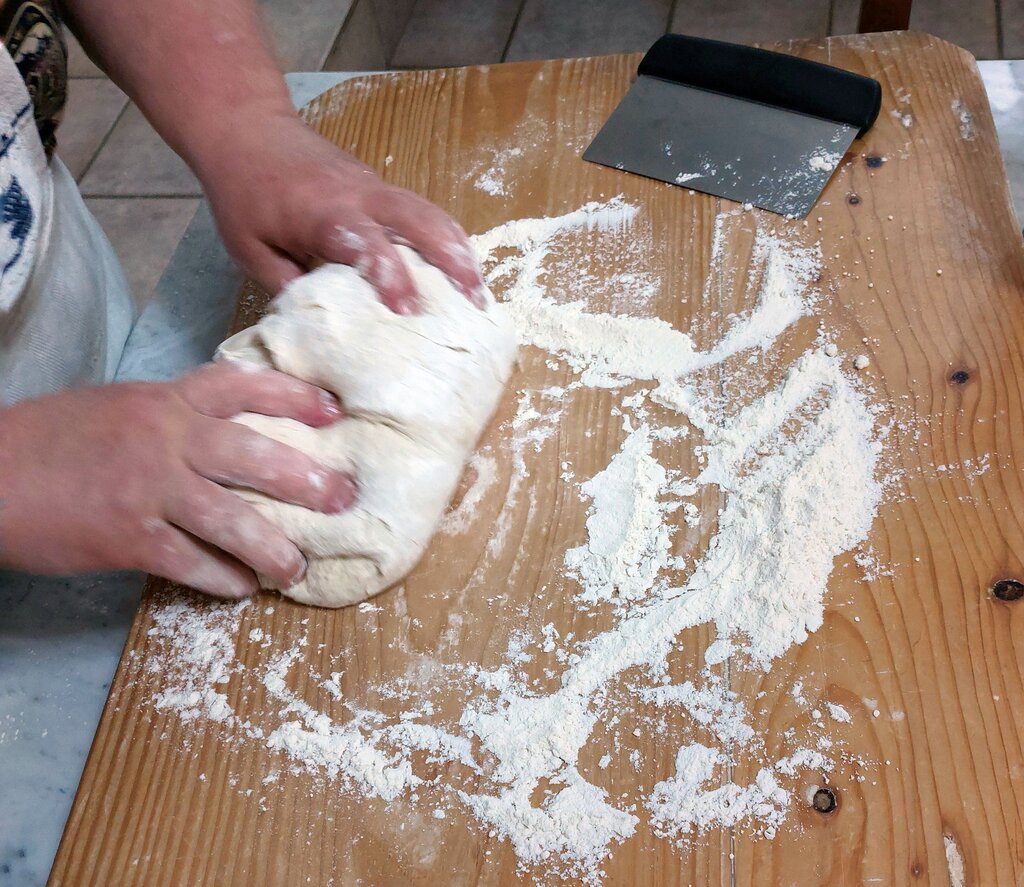
You can knead by hand on a lightly floured surface or use a stand mixer with a dough hook. To knead by hand, push the dough away from you with the heel of your hand, then fold it over and give it a quarter turn. Repeat this motion for about 10-15 minutes.
You'll know the dough is ready when it's smooth, elastic, and slightly tacky. It should spring back slowly when you press a finger into it. If you're using a mixer, this will take about 8-10 minutes on a low speed.
Try not to add too much extra flour while kneading. A little is necessary to prevent sticking, but too much will make your dough dry and dense.
The Magic of Fermentation
After kneading, it's time to let the dough rest and ferment. This is arguably the most important step for developing flavor. During fermentation, yeast consumes sugars in the flour and releases carbon dioxide gas, which makes the dough rise. This process also creates complex flavor compounds.
The first stage is called bulk fermentation. You'll place the dough in a lightly oiled bowl, cover it, and let it rise in a warm spot until it has doubled in size. This usually takes about 1-2 hours.
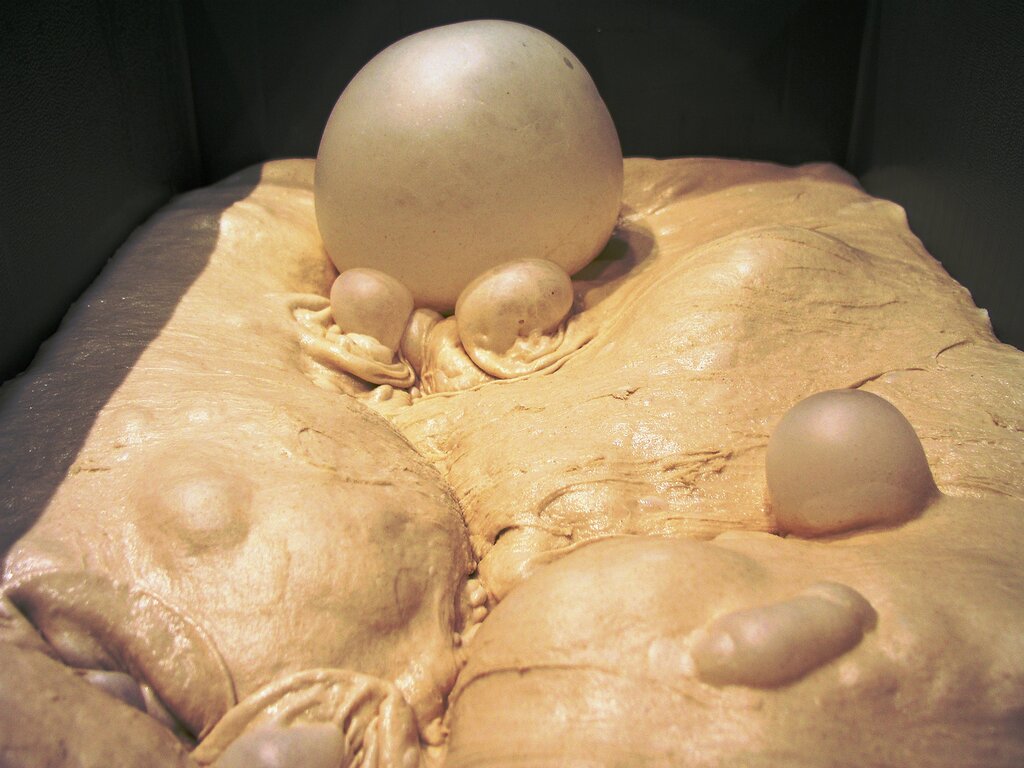
For an even better flavor, you can use a method called cold fermentation. After the initial bulk rise, you place the dough in the refrigerator for at least 24 hours and up to 3 days. This slows the yeast's activity, giving enzymes more time to break down starches and proteins. The result is a much more nuanced, tangy, and delicious crust.
Refrigerating your dough the day before breaking is also an excellent way to spread out the pizza-making process, so you don't spend hours in the kitchen at one time.
Dividing and Shaping
Once your dough has finished fermenting, it's time to divide it and shape it into balls. If you're making multiple pizzas, use a kitchen scale to ensure each piece is the same size for even cooking. A typical pizza uses a dough ball weighing between 250-300 grams (about 9-10 ounces).
To shape each piece, gently flatten it into a rough circle. Then, pull the edges into the center, pinching them together. Flip the dough over so the seam is on the bottom. Cup your hand around the dough and move it in a circular motion on your counter, creating a tight, smooth ball. This builds tension on the surface, which will help the pizza hold its shape.
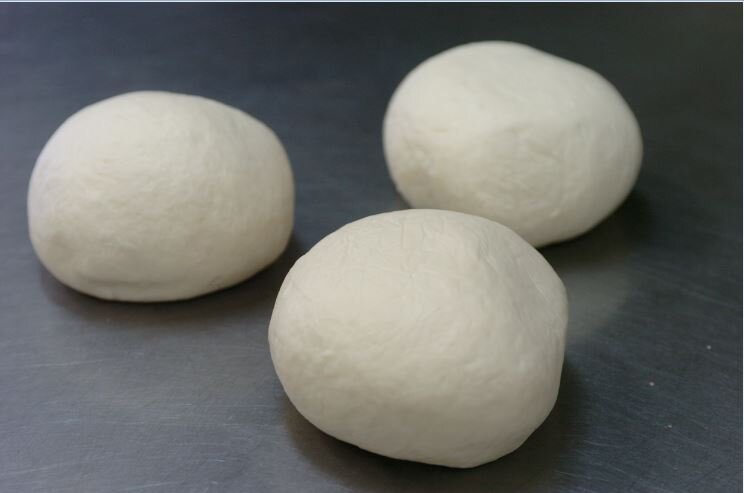
Place the dough balls on a lightly floured tray, cover them, and let them rest for at least another hour at room temperature before you're ready to stretch them out. This final rest allows the gluten to relax, making the dough much easier to shape into your pizza base.