Peptides Unveiled
Peptide Structure
The Building Blocks
Peptides, and their larger cousins, proteins, are fundamental molecules of life. They are all built from smaller units called amino acids. Think of amino acids as a set of 20 different types of molecular LEGO bricks. Every amino acid has a common core structure: a central carbon atom connected to an amino group (), a carboxyl group (), and a hydrogen atom. What makes each of the 20 amino acids unique is its side chain, often called the R-group.
This R-group can be as simple as another hydrogen atom (in the amino acid glycine) or much more complex. The chemical properties of these side chains—whether they are acidic, basic, polar, or nonpolar—dictate how the peptide will fold and function.
Forging the Chain
To form a peptide, amino acids link together in a chain. This happens through a chemical reaction where the carboxyl group of one amino acid joins with the amino group of another. In the process, a molecule of water is released, and a strong covalent bond, known as a peptide bond, is formed.
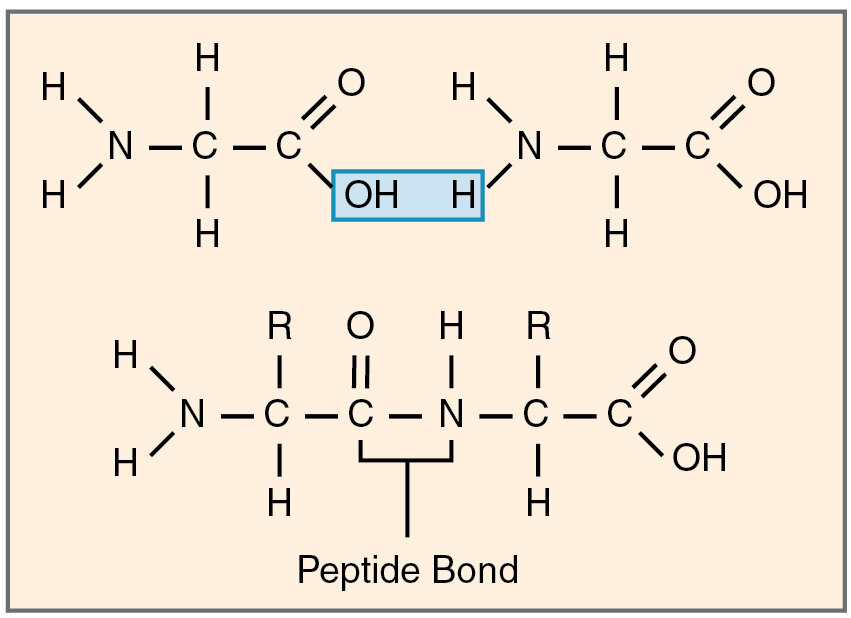
This process can repeat, adding more amino acids to create a long chain called a polypeptide. A polypeptide has a distinct directionality. One end has a free amino group, called the N-terminus, and the other has a free carboxyl group, the C-terminus. The sequence is always read from the N-terminus to the C-terminus.
The Four Levels of Structure
The final three-dimensional shape of a peptide or protein is crucial for its function. This complex architecture is described in four distinct levels, each building upon the last.
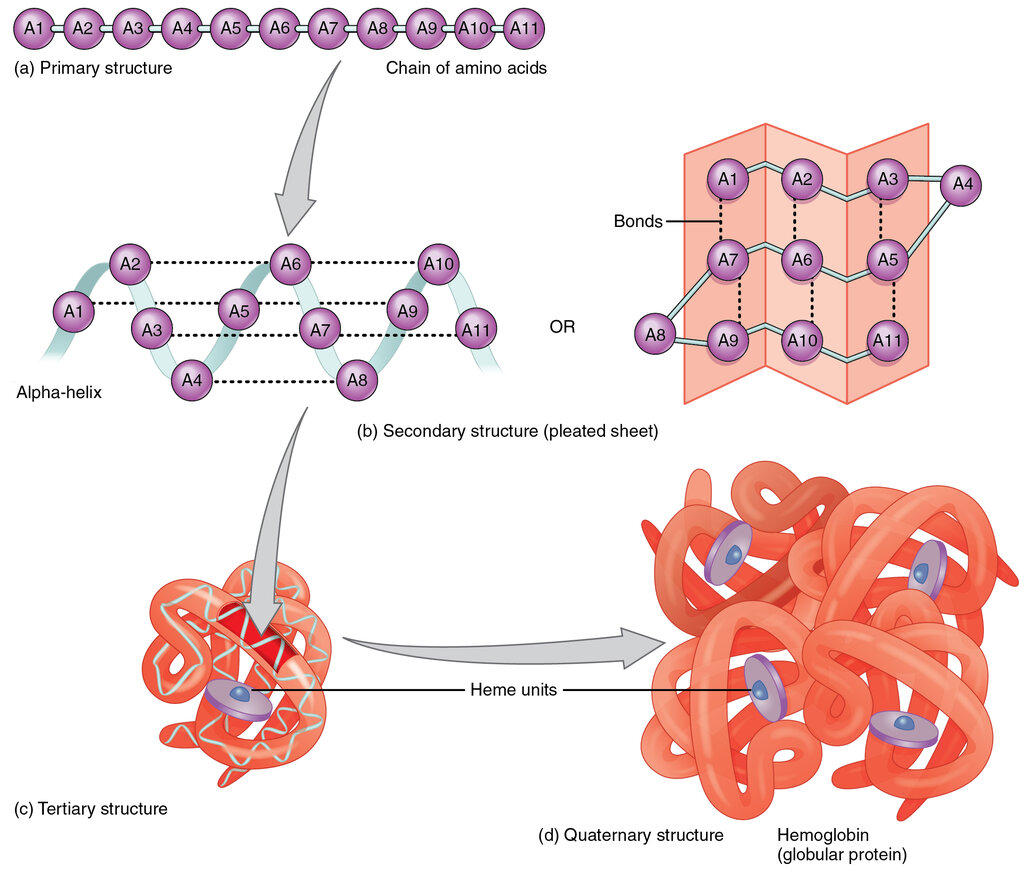
Primary Structure: The Sequence The primary structure is the unique, linear sequence of amino acids in the polypeptide chain. It's like the specific order of letters that form a word. A change in just one amino acid can alter the peptide's properties dramatically. For example, the sequence Gly-Ala-Leu is different from Ala-Gly-Leu.
This sequence is determined by the genetic code in our DNA. It contains all the information needed for the chain to fold into its correct shape.
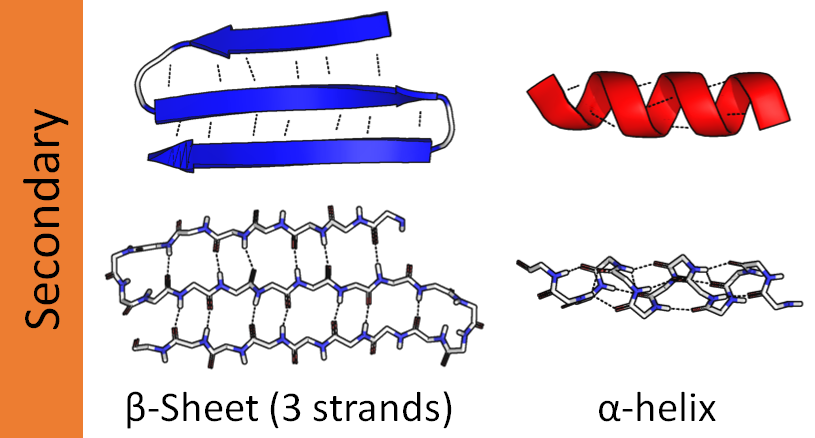
Secondary Structure: Local Folds The secondary structure refers to the regular, repeating patterns that segments of the polypeptide chain fold into. These structures are stabilized by hydrogen bonds between the atoms of the polypeptide backbone, not the side chains.
The two most common types of secondary structure are the alpha-helix and the beta-sheet.
- Alpha-helix: The polypeptide backbone twists into a right-handed coil, like a spiral staircase. Hydrogen bonds form between every fourth amino acid, holding the helical shape.
- Beta-sheet: The polypeptide chain folds back on itself, forming parallel or anti-parallel strands. Hydrogen bonds form between adjacent strands, creating a pleated, sheet-like structure.
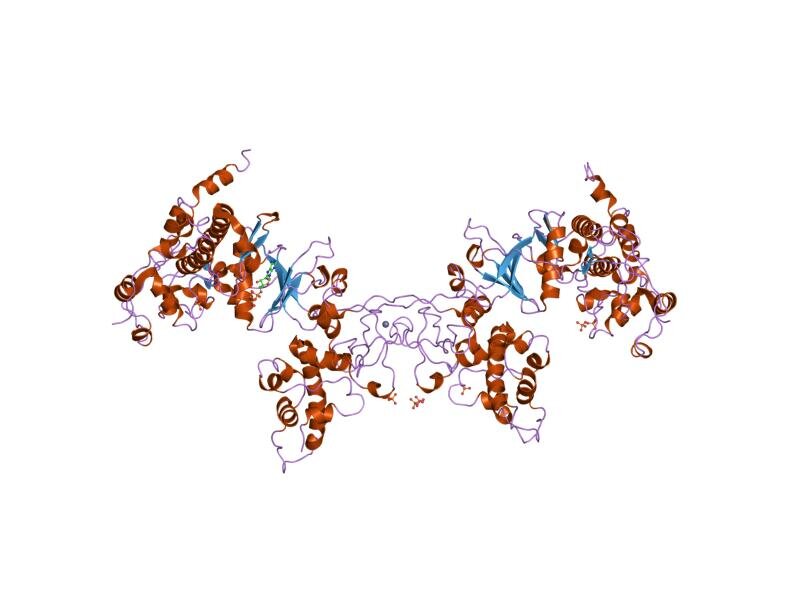
Tertiary Structure: The 3D Shape The tertiary structure is the overall three-dimensional shape of a single polypeptide chain. This is the final, compact, and functional form for many peptides and proteins. It's created by interactions between the R-groups of the various amino acids in the chain. These interactions can include hydrogen bonds, ionic bonds, hydrophobic interactions (where nonpolar side chains cluster together away from water), and strong covalent bonds called disulfide bridges.
This intricate folding brings distant parts of the primary sequence close together, creating specific sites for binding or chemical reactions.
Quaternary Structure: Multiple Chains Some proteins are made of more than one polypeptide chain, also known as subunits. The quaternary structure describes how these individual subunits are arranged and interact to form a larger, functional protein complex. The same forces that hold the tertiary structure together—hydrogen bonds, ionic interactions, and hydrophobic interactions—also stabilize the quaternary structure. Hemoglobin, the protein that carries oxygen in our blood, is a classic example, composed of four polypeptide subunits.
Understanding these four levels is key to understanding how a simple string of amino acids can fold into a complex molecular machine with a specific biological purpose.
Let's test your knowledge.
What are the fundamental building blocks of peptides and proteins?
What part of an amino acid's structure is unique and determines its specific chemical properties?
Each level of structure builds on the one before it, from the basic sequence of amino acids to the arrangement of multiple chains. This hierarchy is what gives peptides and proteins their incredible diversity and functionality.