Peptides for Gut Health
Introduction to Gut Health
Your Gut Is a Journey
Your gut, also known as the gastrointestinal (GI) tract, is much more than just a food processing plant. It's a long, winding tube that starts at your mouth and ends at your anus, playing a central role in your overall health. Think of it as a journey with several key stops along the way.
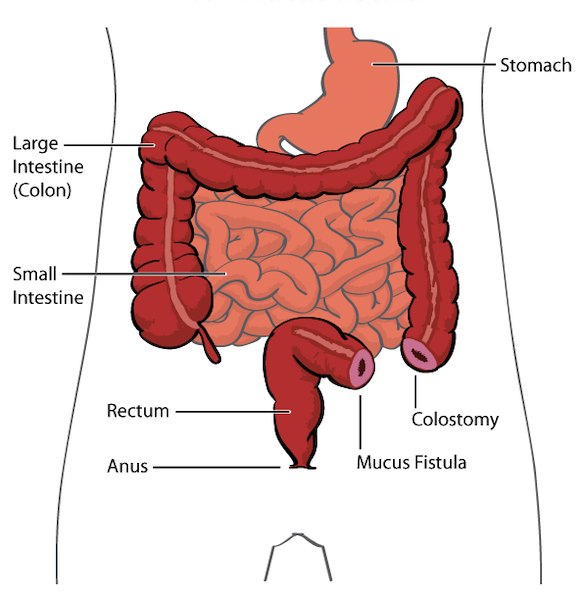
The journey begins in the mouth, where chewing and saliva start breaking down food. From there, food travels down the esophagus to the stomach. Here, powerful acids and enzymes turn everything into a liquid paste.
Next, this mixture moves into the small intestine, the powerhouse of digestion. It's a long, coiled tube where most of the nutrients from your food—vitamins, minerals, carbohydrates, fats, and proteins—are absorbed into your bloodstream. The final stop is the large intestine (or colon), which absorbs water and electrolytes, turning the leftover waste into stool.
This entire process, from eating a meal to eliminating waste, can take anywhere from 24 to 72 hours.
Your Inner Ecosystem
You're not alone in your body. Your gut is home to a bustling community of trillions of microorganisms, including bacteria, viruses, and fungi. This community is called the gut microbiome, and it has a massive impact on your health.
microbiome
noun
The community of microorganisms (such as bacteria, fungi, and viruses) that inhabit a particular environment, especially the collection of microorganisms living in or on the human body.
These tiny residents aren't just freeloaders. They work with your body to perform essential functions:
- Digestion: They break down dietary fiber and other complex carbohydrates that your own cells can't digest.
- Nutrient Production: They synthesize important vitamins, like vitamin K and several B vitamins.
- Immune Support: The gut microbiome helps train and regulate your immune system, which is crucial for defending against pathogens.
- Barrier Protection: A healthy microbiome forms a protective barrier on the intestinal wall, preventing harmful substances from entering the bloodstream.
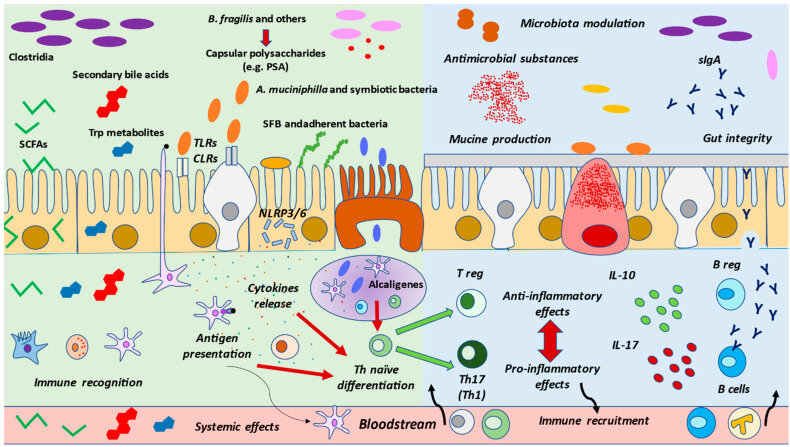
This intricate ecosystem is so important that scientists sometimes refer to it as a "forgotten organ." The balance of different types of microbes is key. When this balance is disrupted, a state known as dysbiosis, it can contribute to a wide range of health issues.
Nurturing Your Gut
The health of your gut and its microbiome isn't set in stone. It's profoundly influenced by your daily choices, especially your diet and lifestyle.
The single best predictor of gut health, where 70% of our immune system resides and the vast majority of neuropeptides like serotonin and dopamine are made, is the amount and variety of plant food, meaning fiber, you consume.
Foods rich in fiber, like fruits, vegetables, whole grains, and legumes, act as prebiotics. This means they feed the beneficial bacteria in your gut, helping them thrive. A diverse diet leads to a diverse microbiome, which is a hallmark of good gut health.
Other lifestyle factors also play a significant role. Chronic stress, poor sleep, and a lack of physical activity can all negatively affect the balance of your gut bacteria. On the other hand, managing stress, getting enough rest, and regular exercise can help maintain a healthy inner ecosystem.
In which part of the gastrointestinal (GI) tract does the majority of nutrient absorption into the bloodstream occur?
What is the collective term for the trillions of bacteria, viruses, and fungi living in your gut?
Understanding these fundamentals of gut health is the first step toward optimizing your well-being. By supporting your digestive system and its microbial inhabitants, you're investing in your health from the inside out.