Peptides for Gut Health in Functional Medicine
Introduction to Peptides
The Building Blocks of Biology
Peptides are short chains of amino acids, the fundamental units that make up proteins. Think of them as small, specialized messengers that carry instructions between cells. Each amino acid has a core structure with a central carbon atom, an amino group (), a carboxyl group (), and a unique side chain, often called the R-group. It's this R-group that gives each of the 20 common amino acids its distinct properties.
Amino acids link together like beads on a string through a chemical reaction that forms a peptide bond. This process joins the carboxyl group of one amino acid to the amino group of the next, releasing a molecule of water.
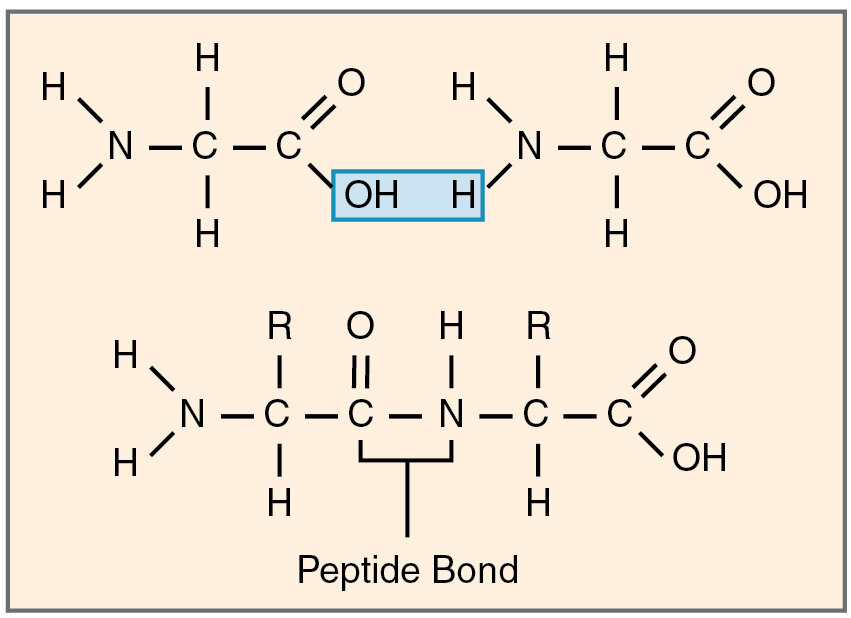
This chain always has a distinct directionality. One end has a free amino group, called the amino-terminus or N-terminus, and the other has a free carboxyl group, the carboxy-terminus or C-terminus. The sequence of amino acids is always read from the N-terminus to the C-terminus.
The key difference between a peptide and a protein is size. While there's no strict cutoff, chains with fewer than 50 amino acids are generally considered peptides, while longer chains are called polypeptides or proteins.
Peptide Classification
Peptides can be classified based on their length, structure, or origin. These categories help us understand their properties and functions within the body.
One of the simplest ways to classify peptides is by the number of amino acids they contain.
| Prefix | Number of Amino Acids | Example |
|---|---|---|
| Di- | 2 | Carnosine |
| Tri- | 3 | Glutathione |
| Oligo- | 2-20 | Oxytocin |
| Poly- | >20 | Insulin |
Structure provides another classification. Most peptides are linear, forming a straight chain. However, some are cyclic, where the chain loops back on itself, often stabilized by a disulfide bond between two cysteine residues. This circular structure can make them more resistant to breakdown by enzymes.
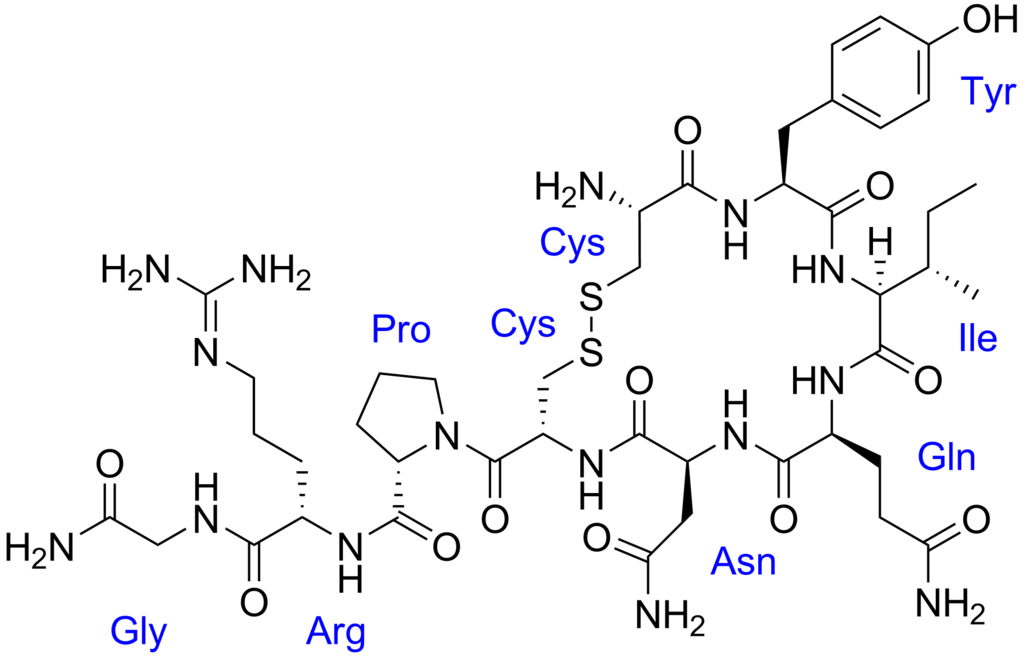
Finally, we can classify peptides by their origin. Endogenous peptides are produced naturally within the body, while exogenous peptides come from external sources, such as diet or laboratory synthesis.
The Roles Peptides Play
Because their amino acid sequences can vary immensely, peptides have an incredible diversity of functions. They are some of the body's most important signaling molecules, acting as hormones, neurotransmitters, and growth factors. Their small size allows them to interact with high specificity to cell surface receptors, triggering downstream physiological responses.
Peptides are short chains of amino acids that act as natural signaling molecules in the body.
Some key physiological roles include:
- Hormonal Regulation: Peptides like insulin and glucagon regulate blood sugar. Oxytocin influences social bonding and reproduction.
- Immune Response: Antimicrobial peptides (AMPs) are part of the innate immune system, defending against pathogens. Others, called cytokines, modulate inflammation.
- Neurological Function: Neuropeptides such as endorphins act as natural painkillers and affect mood. Others regulate appetite and sleep.
- Cellular Growth and Repair: Growth factors, many of which are peptides, stimulate cell proliferation and tissue regeneration.
Understanding these foundational aspects of peptide structure and function is the first step toward appreciating their potential in clinical practice.