Peptides and the Science of Longevity
Introduction to Peptides
The Building Blocks of Life
In the bustling world inside our cells, countless molecules work together to keep us alive. Among the most important are proteins, which perform a staggering variety of tasks. But before you get a complex protein, you have smaller, simpler chains called peptides.
A peptide is a short chain of amino acids linked together. Think of amino acids as individual beads, each with a unique shape and property. When you string these beads together, you form a peptide.
Peptide
noun
A molecule consisting of two or more amino acids linked in a chain, the carboxyl group of each acid being joined to the amino group of the next by a bond of the type –OC–NH–.
Every amino acid has a common backbone structure and a unique side chain, often called the R-group. This R-group is what makes each of the 20 common amino acids different. Some are small, some are large; some are attracted to water, others repel it.
To form a peptide, the amino acids are joined by a special covalent bond called a peptide bond. This bond forms between the carboxyl group of one amino acid and the amino group of another in a process that releases a molecule of water.
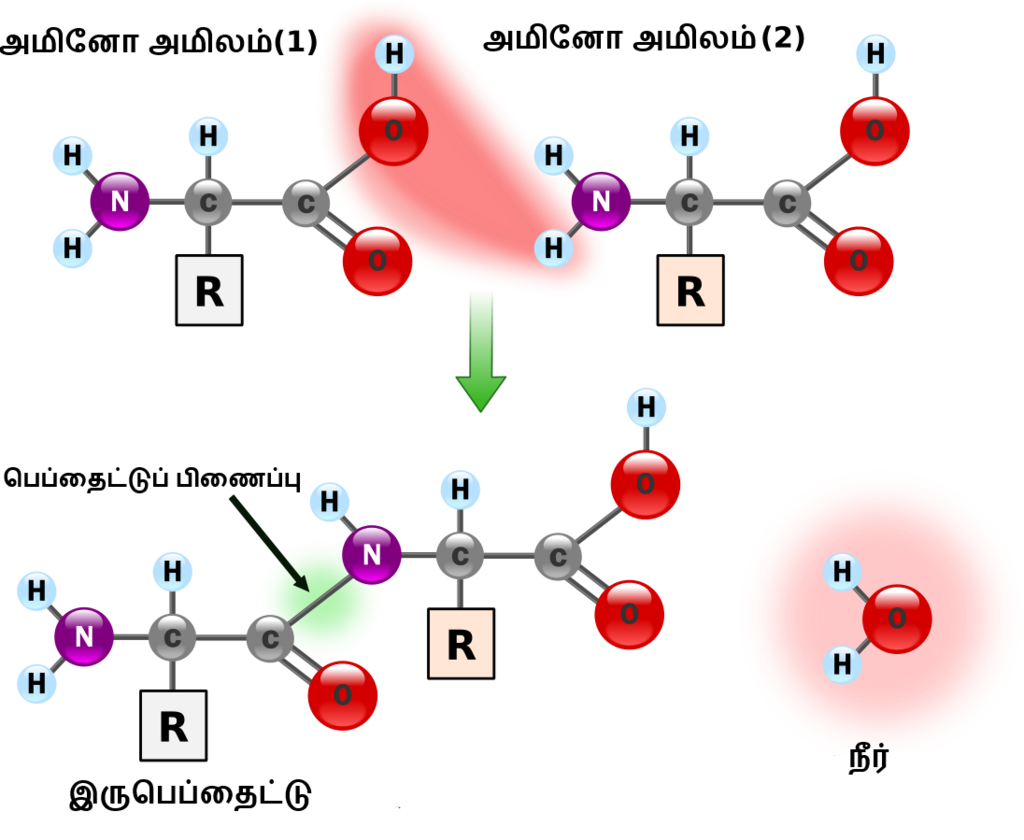
When two amino acids link up, they form a dipeptide. Three form a tripeptide, and so on. Chains with up to about 50 amino acids are generally called peptides. Longer chains are known as polypeptides or proteins. So, peptides are essentially the fundamental components of proteins.
How Peptides Are Made and Unmade
Our bodies are constantly building and breaking down molecules, and peptides are no exception. The process of creating peptides is a core part of how our genetic code turns into functional machinery for our cells.
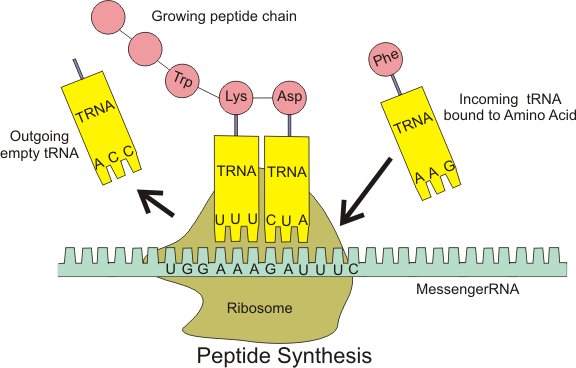
It all starts with your DNA. A gene, which is a segment of DNA, holds the blueprint for a specific polypeptide chain. This blueprint is transcribed into a messenger RNA (mRNA) molecule. The mRNA then travels to a cellular machine called a ribosome, which reads the instructions and assembles the amino acids in the correct order. This process is called translation.
Just as they are built, peptides can also be broken down. This process, called degradation, is handled by enzymes called proteases. These enzymes cut the peptide bonds, breaking the chain back down into individual amino acids. These amino acids can then be recycled to build new peptides and proteins. This cycle of synthesis and degradation allows our bodies to respond quickly to changing needs, producing new molecules as required and clearing out old ones.
Tiny Chains, Big Jobs
Despite their small size, peptides have an incredible range of functions. Their specific job is determined by their sequence of amino acids and the three-dimensional shape that sequence creates.
Some peptides act as hormones, which are chemical messengers that travel through the bloodstream to target cells and tissues. For example, insulin is a peptide hormone that tells cells to take up glucose from the blood. Another is oxytocin, sometimes called the “love hormone,” which plays a role in social bonding and childbirth.
Many peptides function as signaling molecules, carrying messages between cells to coordinate complex biological activities.
In the nervous system, certain peptides function as neurotransmitters or neuromodulators, transmitting signals between nerve cells. Endorphins, for instance, are peptides that act as natural painkillers and mood elevators.
Other peptides are key players in our immune system. Antimicrobial peptides (AMPs) can directly attack and destroy invading bacteria, fungi, and viruses, forming a crucial part of our first line of defense against infection.
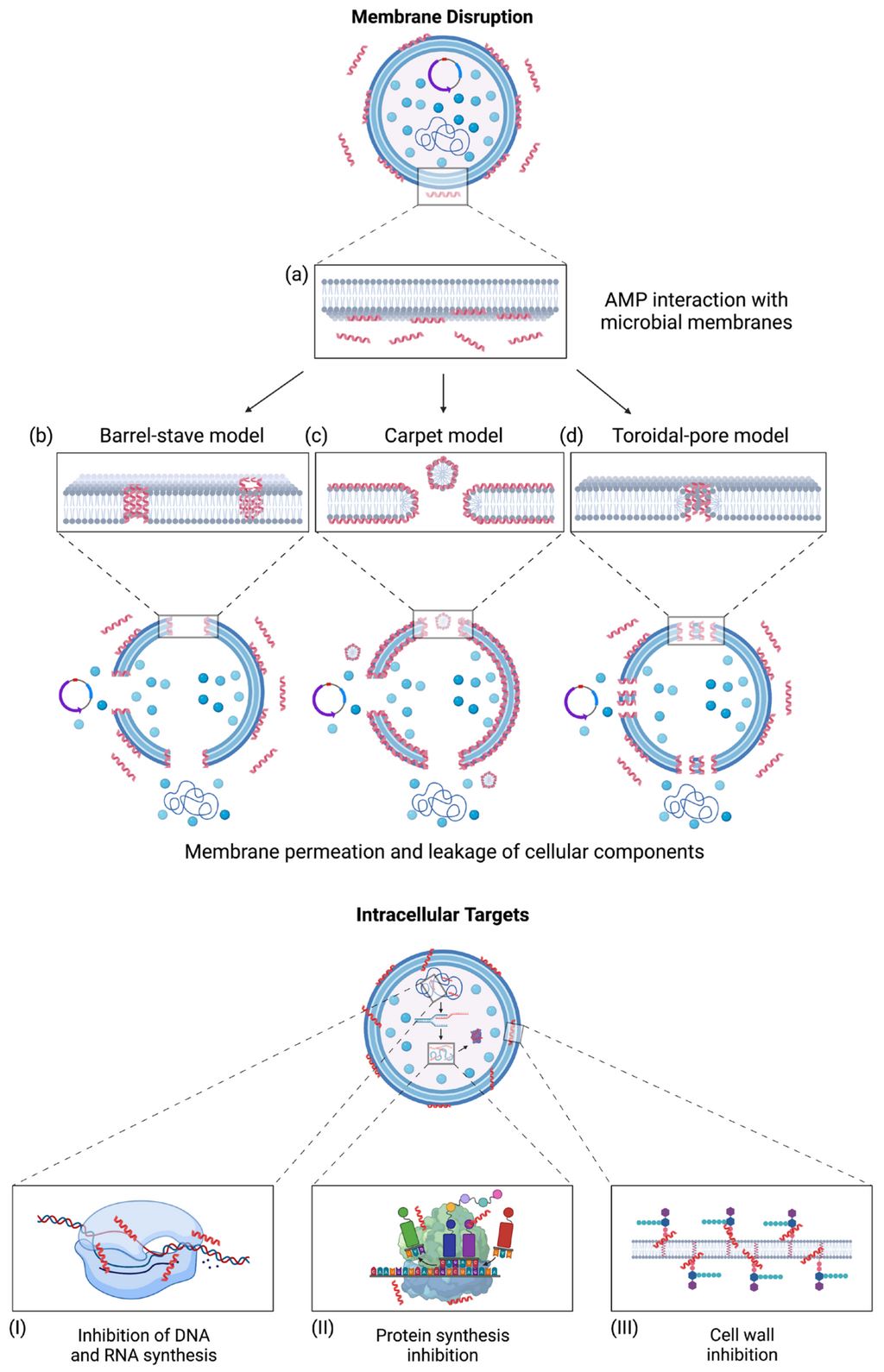
From regulating your metabolism to fighting off germs, these small chains of amino acids are vital. They demonstrate a key principle in biology: that complex functions can arise from simple, modular building blocks.
What are the individual molecular units that link together to form a peptide chain?
A peptide bond forms between the ______ of one amino acid and the ______ of another, releasing a molecule of water.
Peptides are the short, versatile chains that build proteins and run countless processes throughout the body. Understanding them is a first step to understanding much of biology.